
On September 30, 2026, anyone who reached the KillSec leak site through the Tor network found the victim listings gone. In their place stood a banner: "The domain, servers and all associated data linked to Operation KillSwitch have been taken into control by State Criminal Police Office of Hamburg and international law enforcement agencies" (BleepingComputer).
The same day, police searched eight properties in Spain, Greece, the United Kingdom, and Romania. In Alicante, on Spain's Mediterranean coast, Catalan police and the Guardia Civil's cybercrime unit arrested a 16-year-old whom investigators identify as the group's suspected administrator and main operator (The Record). By the end of the action day, three suspects were provisionally in custody, five servers were under police control, and authorities had secured at least 110 terabytes of stolen data that would otherwise have stayed in the hands of extortionists (Eurojust).
The age makes the headlines. The economics underneath it explain the story. KillSec was, by the account investigators and threat analysts have assembled, a functioning ransomware-as-a-service business: a small core team built the malware, the leak site, and the negotiation tooling, then sold access to affiliates who carried out intrusions and split the proceeds. The product had version numbers, an entry fee, a commission schedule, and a recruitment pipeline. In a substantial share of claimed cases, there was no intrusion at all, just cloud storage that victims had left exposed to the internet.
The takedown, led by German authorities and coordinated through Eurojust and Europol, is the clearest recent case study of what this business model looks like at the bottom of the market: cheap, productized, allegedly run in part by minors, and vulnerable in exactly one place, its own center of gravity.
What Operation KillSwitch actually took down
The operation was led by the Hamburg State Criminal Police Office and the Hamburg Public Prosecutor's Office (Group-IB), with Europol's European Cybercrime Centre providing insights and technical support (The Record) and Eurojust coordinating judicial authorities from nine countries: Belgium, Finland, Germany, Greece, Romania, Spain, Switzerland, the United Kingdom, and the United States. Investigators from ten countries took part, with the Netherlands also involved (BleepingComputer). Four countries, Belgium, Germany, Greece, and Romania, had formed a joint investigation team hosted at Eurojust, a formal EU mechanism that lets prosecutors share evidence directly across borders, and the action day was run from a coordination center at Eurojust's Hague headquarters (Eurojust).
The investigation opened in early 2025 after a series of attacks, Hamburg police said (The Record). Switzerland had opened parallel proceedings on July 31, 2025 over KillSec attacks against Swiss companies stretching back to October 2023, on suspicion of data theft, unauthorized system access, data damage, and extortion under the Swiss Criminal Code (fedpol). The private side of the operation included the cybersecurity firms Bitdefender and Group-IB (BleepingComputer).
The action produced three provisional arrests, eight searches, five seized servers, redirected domains, and at least 110 terabytes of recovered stolen data (Eurojust). It also reached into the U.S. legal system. British police arrested Fouad Eltibrizi, a Dutch national who allegedly used the alias "Archduke" online; a federal grand jury in the District of Puerto Rico had indicted him on September 16, 2026 on a charge of unauthorized computer access conspiracy, and he is awaiting extradition to the United States (The Record).

The scale investigators describe is large, and deliberately hedged. The German-led investigation covers around 1,000 suspected attacks worldwide, of which roughly 500 have so far been identified as successful, a figure authorities caution may change as seized evidence is analyzed. At least 70 of the suspected attacks involved German organizations, including 18 in Hamburg (BleepingComputer). Every accusation remains just that; Switzerland's Office of the Attorney General noted explicitly that the presumption of innocence applies to everyone involved (fedpol).
A criminal business that looked a lot like a software startup
Ransomware-as-a-service works like a franchise system. The operator builds the encryptor, the affiliate panel, the leak site, and the negotiation tooling. Affiliates buy or earn access to the toolkit, break into victim networks, and split whatever ransom they collect. The operator never touches the victim's network. The affiliate never writes malware. KillSec followed the pattern almost to the letter, and its public history shows how quickly the pattern can be assembled.
The group's public presence dates to a Telegram channel opened in October 2023, which recruited people skilled in "network penetration," "web penetration," and "malware creation" (SOCRadar). The affiliate program launched as a product in June 2024. By October 2024, Group-IB researchers were analyzing KillSec 2.0, a Tor-based panel for managing victims, ransom negotiations, and payload configuration, offered with a $250 entry fee and a 12 percent operator share of each ransom. One detail stood out: affiliates could not generate builds on demand. Every payload required administrator approval, a restriction Group-IB read as a small core team guarding its product (Group-IB).
The upgrades came fast. In November 2024 the group announced a locker for VMware ESXi hypervisors capable of shutting down virtual machines, deleting snapshots, and erasing logs, removing the recovery points a victim would otherwise rely on. In January 2025 it began recruiting "skilled pentesters," requiring a forum reputation or a $1,000 deposit, and raised its cut to 20 percent (Group-IB).
The business was not only about encryption. Group-IB observed the group selling stolen data outright, with asking prices ranging from $5,000 for one company's records to $500,000 for data claimed from a global insurer, making KillSec, in the firm's words, "as much a data broker as a ransomware operator." Its own marketing went further, advertising "penetration testing" for hire and an OSINT service aimed at digging up private information on people and organizations (SOCRadar). The security firm Halcyon described it as one of the most affordable ransomware-as-a-service platforms in the ecosystem, with a chat-enabled control panel that let cybercriminals with limited technical skill carry out attacks (The Record).
Group-IB's High-Tech Crime Trends Report 2026 ranked KillSec among the ten most active ransomware groups of 2025 in Asia-Pacific, Latin America, and the Middle East (Group-IB). A $250 product had become a globally ranked operation.
Why the suspected operators were so young
The detail that made the case famous is age. The suspected administrator and main operator is 16. A suspected developer turned 18 in August 2026 and was a minor when a number of the alleged offences were committed. Investigators have also identified people they believe held the roles of negotiator and affiliate (Eurojust). The suspect arrested in Alicante is a Romanian national, according to Reuters (The Record).
It is worth being precise about what that does and does not show. It does not show that most ransomware crews are run by teenagers. What it shows is that the technical floor of this trade has dropped far enough that teenagers can hold the top roles, and KillSec is the sharpest example since Lapsus$, the largely teenage crew whose 2023 London trial ended with convictions for the hacks of Rockstar Games and Uber (BBC News, March 2023).
The mechanism is not mysterious. The platform absorbs the work that used to be scarce. The encryptor, the panel, the leak site, and the ESXi kit come with the subscription. The intrusion paths documented in this case, misconfigured cloud storage, exposed remote desktop services, known vulnerabilities in internet-facing software, do not require original exploit development. What remains for the person at the top is closer to running a small company: approving builds, recruiting affiliates, setting prices, and managing a brand. That is a skill set a bright 16-year-old can plausibly have.
Europol adds one uncertain layer to this picture. Investigators, the agency said, found that members used artificial intelligence to help build and maintain their ransomware infrastructure and to identify potential victims (BleepingComputer). The statement is thin on detail, and at least one analyst has cautioned that the role of AI in the operation could range from central to marginal (jark.me). A Google Threat Intelligence assessment from June 2025 concluded that AI had so far provided only a modest uplift to criminal operators, with the clearest gains among low-skilled actors. Whether AI materially powered KillSec, or simply trimmed routine work around its edges, is unresolved.
Where the attacks came from: misconfigured cloud storage
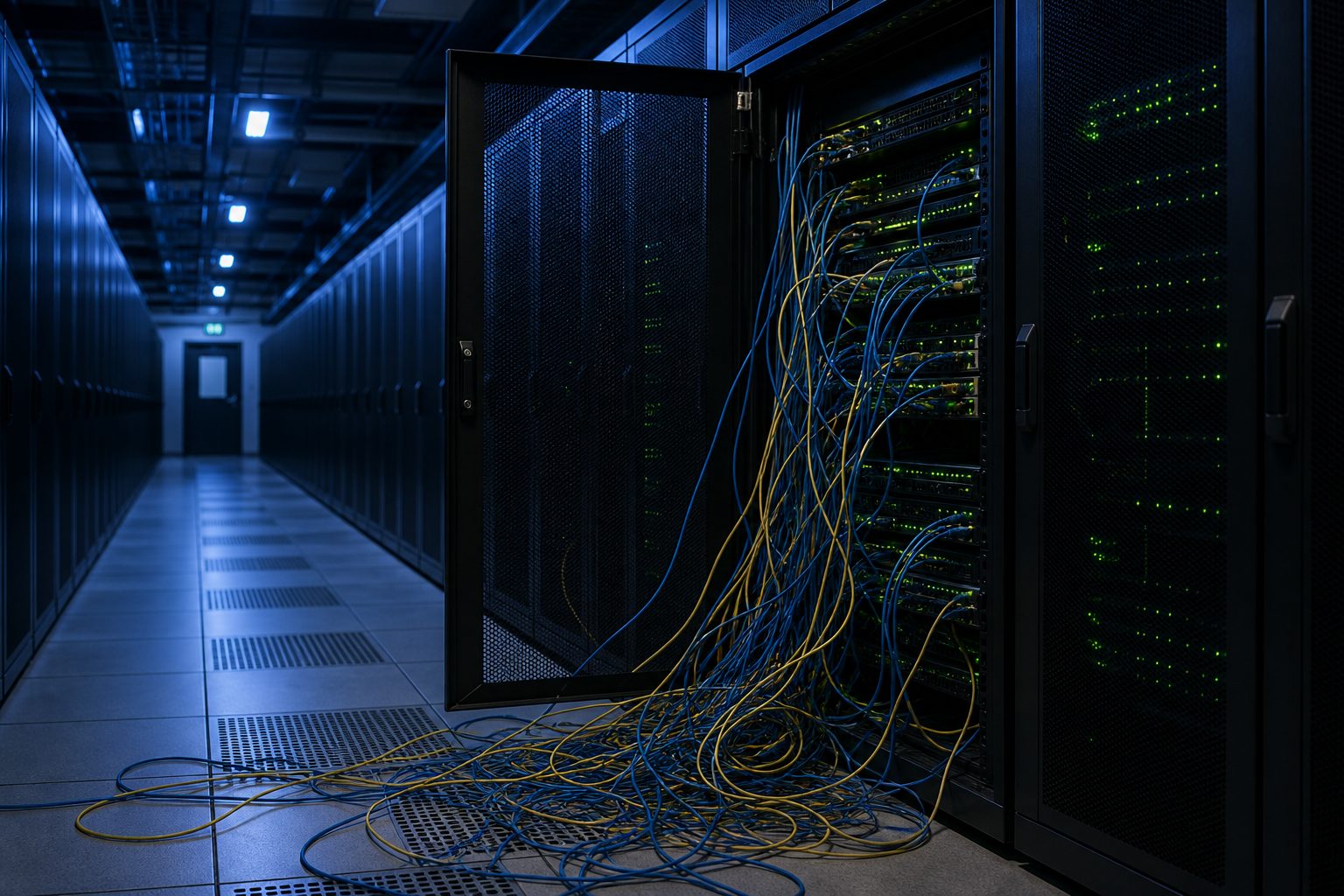
The most consequential finding in the case is about victims' infrastructure, not the gang's. Eurojust describes KillSec exploiting poorly secured access points, particularly those linked to cloud storage, then copying data to its own servers and threatening publication unless paid. Victims who refused found their files made available for free download, and were sent data samples to prove the theft was real (Eurojust).
Group-IB's analysis sharpens the point. A substantial share of the group's claimed victims involved no network intrusion at all: data was simply taken from cloud storage left publicly accessible through misconfiguration. Where there was intrusion, affiliates favored the path of least resistance: phishing, brute-force attacks on exposed Remote Desktop Protocol services, and known vulnerabilities in internet-facing applications (Group-IB). Investigators described the same pattern of exploiting software vulnerabilities and poorly secured edge devices and platforms to breach corporate systems and steal sensitive data (BleepingComputer).
For a low-cost crew, misconfigured cloud storage is close to ideal. There is no exploit to buy, no malware footprint to trigger defenses, and no negotiation over access, just data sitting in the open. The victimology shows how far that carried them. Group-IB counted 274 organizations publicly claimed on the KillSec leak site, with the United States accounting for about 35 percent of identified victims and India about 17 percent. Financial services and healthcare were the most affected sectors, alongside government bodies, a major insurer, investment firms, and a consumer app with millions of users (Group-IB). SOCRadar tied claimed attacks to Ping An, the Chinese insurance conglomerate, and Yassir, the ride-hailing and delivery app (SOCRadar).
Healthcare also exposes the gap between the group's stated rules and its behavior. Its affiliate rules prohibited attacks on critical infrastructure (SOCRadar), yet roughly a fifth of the operations SOCRadar observed in 2024 hit healthcare organizations. A January 2025 recruitment post declared hospitals off-limits, but from late 2025 Group-IB observed the group shifting toward healthcare software and IT service providers, where a single compromise can expose the patient records of every clinic using the platform (Group-IB).
The inference from all of this is hard to escape, and it is an inference rather than a finding: configuration reviews, access controls, multi-factor authentication on remote access, and patching of internet-facing devices would have denied KillSec most of its documented entry paths.
The economics of a $250 extortion franchise
Follow the money and the picture is a volume business with platform-style economics. Affiliates who paid the $250 entry fee initially kept 88 percent of each ransom, with the operator taking 12 percent. By January 2025 the operator's cut had risen to 20 percent (Group-IB). Eurojust records that the group in some cases received "substantial" ransom payments, a phrase worth reading exactly as written: some cases, not all (Eurojust). The asking prices Group-IB observed for stolen data, $5,000 to $500,000, describe a mid-market extortion operation, not a big-game hunting crew demanding eight figures from Fortune 100 boards.
That sits inside a broader trend. Chainalysis tracked roughly $813.55 million in global ransomware payments in 2024, down about 35 percent from approximately $1.25 billion in 2023, figures the firm treats as floors that get revised upward as more addresses are attributed. Chainalysis attributed the decline largely to victims refusing to pay and to better defenses. In other words, while the KillSecs of the market multiplied, the paying side of the market was shrinking (Chainalysis, 2025 Crypto Crime Report).
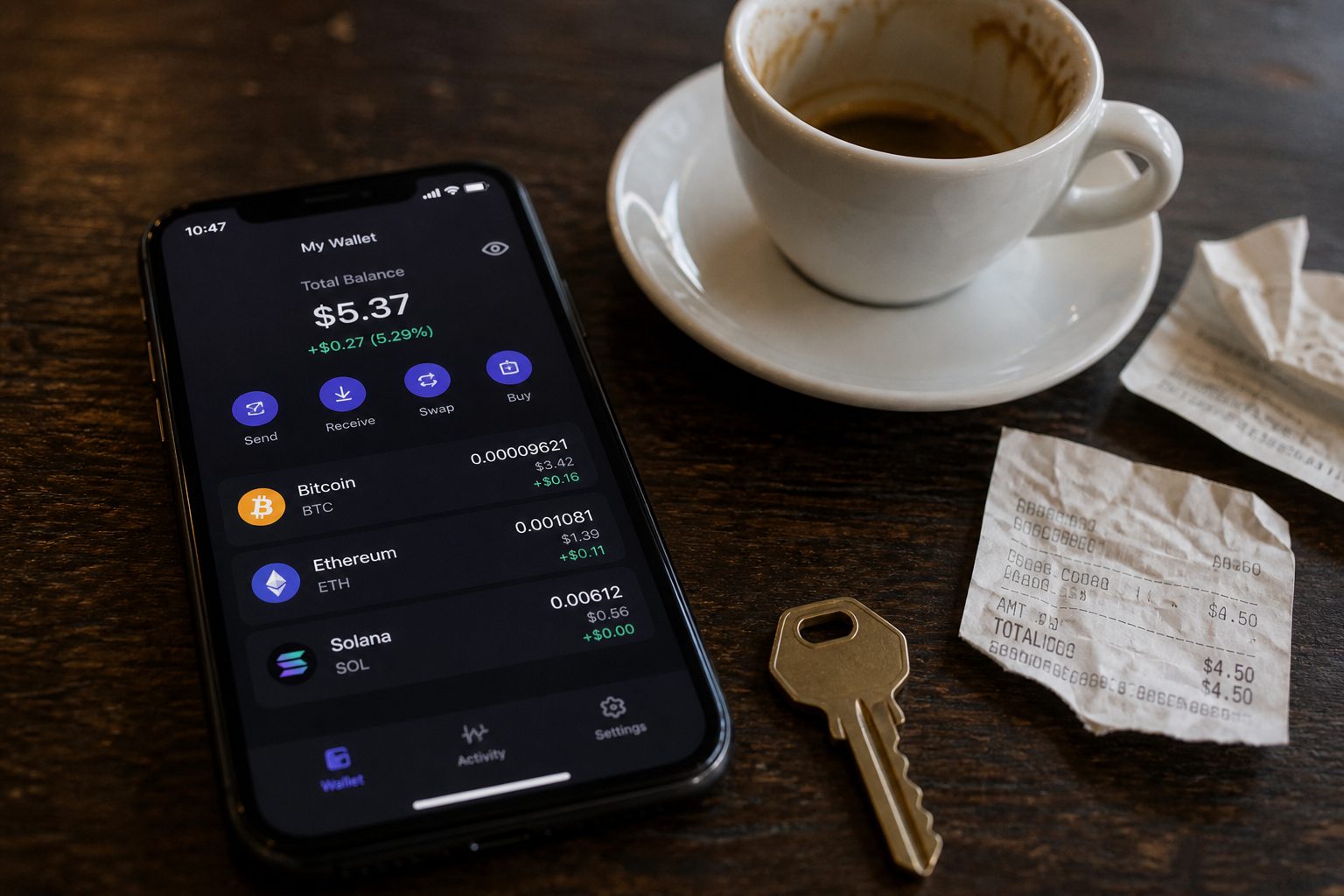
Low-cost entrants compete for that shrinking pool on price and convenience. A $250 entry fee and an 80 percent affiliate split are a customer-acquisition strategy, not a technical achievement. What the operator actually sells is the scarce asset: the panel, the builds, the brand, and the approval gate. What we do not know is what most victims paid, or what the group actually collected in total. Those numbers will surface, if they surface, in court.
Why this disruption could work at all
Group-IB's assessment contains the key point: KillSec's operations "depended on the small core team that developed the locker and approved each build" (Group-IB). Concentration created the target. Seizing the servers took the platform. Arresting the core took the ability to rebuild it. Recovering 110 terabytes of stolen data took the leverage, because data the gang no longer controls is data it cannot publish or sell.
That is the mechanism behind the recent run of infrastructure-centric takedowns, and the record is instructive about what they do and do not achieve. When the FBI and international partners disrupted Hive in January 2023, agents had spent months inside its infrastructure, captured decryption keys, and passed them to victims, a step the Justice Department credited with preventing an estimated $130 million in ransom demands (U.S. Department of Justice, January 26, 2023). When the coalition behind Operation Cronos disrupted LockBit in February 2024, seizing 34 servers and gaining access to roughly 14,000 affiliate accounts, the brand relaunched within days and only faded under sustained follow-up pressure, including a U.S. indictment of its alleged administrator in May 2024, coupled with a $10 million reward offer for information leading to his arrest; Russian outlets later reported his detention in Russia in 2025 (U.S. Department of Justice and U.K. National Crime Agency announcements, February 20, 2024; Kommersant, August 2025). ALPHV, for its part, never needed police to die; after reportedly collecting an estimated $22 million from the Change Healthcare attack in early 2024, its operators vanished in an exit scam, leaving the affiliate who did the work unpaid.
The comparison points are blunt. Centralized ransomware-as-a-service is more vulnerable than diffuse crews precisely because the platform is the business. But brands relaunch, and a single takedown is a battle, not the war.
What happens to the affiliates when a brand dies
Group-IB documented that some KillSec affiliates also worked with other programs, including LockBit, RansomHub, Qilin, and Bashe (Group-IB). That single observation is the strongest argument against declaring ransomware dismantled. The affiliate's skills, initial access techniques, negotiation experience, and cash-out routes migrate intact from brand to brand. After LockBit's decline, RansomHub absorbed much of that demand and by most counts became the busiest brand by claimed victims in 2024. As one analyst put it after the KillSec arrests, police can seize the servers and kill the brand, but not the business model (jark.me).
There is counter-evidence worth taking seriously, though. Tracked global payments fell sharply in 2024, enforcement operations have grown more frequent and more infrastructure-focused, and KillSec's own approval gate meant affiliates could not simply walk off with the locker. Investigators say the seized evidence could reveal further victims, attacks, and people involved (BleepingComputer). Whether the core of this group reappears under a new name is an open question, and the honest answer is that the redistribution risk is real but not yet demonstrated for this specific crew.
Following the money: small payouts, visible trails

The financial leg of Operation KillSwitch is explicitly part of the operation. Europol provided specialist support to trace cryptocurrency and examine digital evidence and said the action also targeted the group's criminal proceeds, which investigators are still tracing (Eurojust; BleepingComputer).
The broader record suggests why that leg matters. When DarkSide hit Colonial Pipeline in 2021, the Justice Department clawed back roughly $2.3 million of the approximately $4.4 million ransom within weeks, an early demonstration that on-chain payments are not a clean exit (U.S. Department of Justice, June 7, 2021). Sanctions and exchange compliance have narrowed cash-out options since. And structurally, a high-volume, low-price model like KillSec's generates many small payments, which in principle enlarges the tracing surface for analysts. That last point is a reasonable inference from how blockchain analytics works, not a documented finding about this case.
On the available record, no authority has published KillSec-specific laundering routes, seized proceeds, or payment totals, and the chokepoint this operation actually hit was infrastructure and the core team, not the cash-out. Whether money proves the model's fatal vulnerability will only become clear as charges and forfeiture proceedings develop.
The gaps that still remain: hygiene, reporting, and disclosure
Almost every attack path documented in this case was ordinary. Misconfigured cloud storage, exposed remote desktop services, known vulnerabilities in internet-facing software, phishing. That is consistent with the picture in CISA's running series of #StopRansomware advisories, which repeatedly trace initial access to exposed services, valid credentials, and known vulnerabilities rather than novel exploits.
The reporting side is weaker than the technical one. Swiss authorities used their announcement to press the point that every victim, from public entities to individuals, should report attacks, because unreported incidents hobble exactly the kind of investigation that just dismantled KillSec (fedpol). Regulation has been tightening unevenly: the EU's NIS2 directive expanded mandatory incident reporting for essential and important sectors, with member states required to transpose it by October 2024, and U.S.-listed companies have had to disclose material cyber incidents to the Securities and Exchange Commission since late 2023. But most victims still face no obligation to disclose whether they paid a ransom, and debates over mandatory payment disclosure or outright bans have moved far more slowly than the threat.
What changes, and what only rebrands
The KillSec case does not prove that ransomware is led by teenagers. It proves something more specific and more useful: that a $250 product, a chat-enabled panel, and victims' own misconfigurations were enough for a group whose suspected core included minors to rank among the most active ransomware operations across three regions, and that the same productization that made the crew cheap to run made it hittable. The platform was the business, so the platform was the target, and a joint investigation team, a data recovery measured in terabytes, and an extradition docket in Puerto Rico are what effective cross-border coordination looks like in practice rather than in a press release.
What survives the seizure is everything the brand was renting out: the model, the affiliates, the demand from victims who pay. Police took the servers, the data, and for now the name. Whether the market that produced a suspected 16-year-old administrator can be dismantled, rather than merely rebranded, is the question the next operation will have to answer.
Sources / References
- Eurojust, "Teenagers suspected of leading ransomware group arrested during international operation," press release, October 1, 2026. https://www.eurojust.europa.eu/news/teenagers-suspected-leading-ransomware-group-arrested-during-international-operation
- Swiss Federal Office of Police (fedpol) and Office of the Attorney General of Switzerland, "Cybercrime: Computer network used by ransomware group dismantled in coordinated international operation," press release, October 1, 2026. https://www.fedpol.admin.ch/en/newnsb/cBOoSTI5a7sc
- Group-IB, "Group-IB supports international Operation KillSwitch targeting the KillSec ransomware-as-a-service group," press release, October 1, 2026. https://pubt.io/view/6CCC94463292BD77422BD0833B51DA753976DB73
- Lawrence Abrams, "Police dismantle KillSec ransomware gang allegedly led by 16-year-old," BleepingComputer, October 1, 2026. https://www.bleepingcomputer.com/news/security/police-dismantle-killsec-ransomware-gang-allegedly-led-by-16-year-old/
- James Reddick, "Police disrupt KillSec ransomware, arrest suspected teenage leader," The Record from Recorded Future News, October 1, 2026. https://therecord.media/killsec-ransomware-raas-arrests-europe
- SOCRadar, "Dark Web Profile: KillSec," November 7, 2024. https://socradar.io/blog/dark-web-profile-killsec/
- jark.me, "You Can Seize the Servers, Not the Business Model," October 3, 2026. https://jark.me/blog/you-can-seize-the-servers-not-the-business-model/
- Chainalysis, 2025 Crypto Crime Report (ransomware analysis), February 2025.
- U.S. Department of Justice, press release on the disruption of Hive ransomware, January 26, 2023.
- U.S. Department of Justice and U.K. National Crime Agency, announcements on Operation Cronos and the LockBit disruption, February 20, 2024; U.S. Department of Justice, indictment announcement for the LockBit administrator, May 2024.
- Kommersant, reporting on the detention of the LockBit administrator in Russia, August 2025.
- U.S. Department of Justice, statement on the recovery of Colonial Pipeline ransom funds, June 7, 2021.
- Google Threat Intelligence, assessment of AI's impact on cyber threat activity, June 2025.
- BBC News, reporting on the Lapsus$ trial verdicts in London, March 2023.
Comments (5)
Continue exploring
The Quiet Relay: How China-Linked Hackers Turned IoT Devices Into Espionage Highways
The QScan and QTRouter takedown reveals how ordinary routers, cameras, and other connected devices can become hidden relay points…
The ShinyHunters FBI Breach: When Stolen Personnel Files Become Leverage Against the State
The ShinyHunters breach of FBI personnel files shows an extortion crew using stolen government data to coerce the state itself…

AI Wingmen at the Merge: How Autonomous Drones Are Reshaping Airpower
The U.S. Air Force's AI wingmen have flown. The harder question now is who owns the software at the controls, and what that…
The piece mentions that KillSec operated a recruitment pipeline and that in a substantial share of claimed cases there was no intrusion at all, just exposed cloud storage. I'd be very interested in a follow-up that traces what happens to affiliates after a takedown like this, whether they migrate intact to competing programs, and whether investigators have any visibility into that downstream ecosystem at all.
The section explaining how the four-country joint investigation team was actually hosted at Eurojust was the most useful for me, because I had no idea that kind of formalized cross-border prosecutorial machinery existed.
Vulnerable in exactly one place, its own center of gravity" is the most useful line in the whole piece, because it reframes the question from whether RaaS can be defeated to where in the stack disruption actually lands. That framing matters for anyone thinking about defensive spending and law enforcement priorities going forward, since it suggests the operator layer is the realistic target rather than the affiliate base or the tooling itself.
The article barely addresses what happens to a 16-year-old suspect under Spanish juvenile justice law versus being handed over to German authorities for prosecution as an adult.
I'm not fully convinced by the framing that KillSec represents the "bottom of the market" for RaaS. The article gestures at that characterization but doesn't cite revenue figures, affiliate entry fees, or typical ransom amounts, so "bottom" reads more like inference than finding.