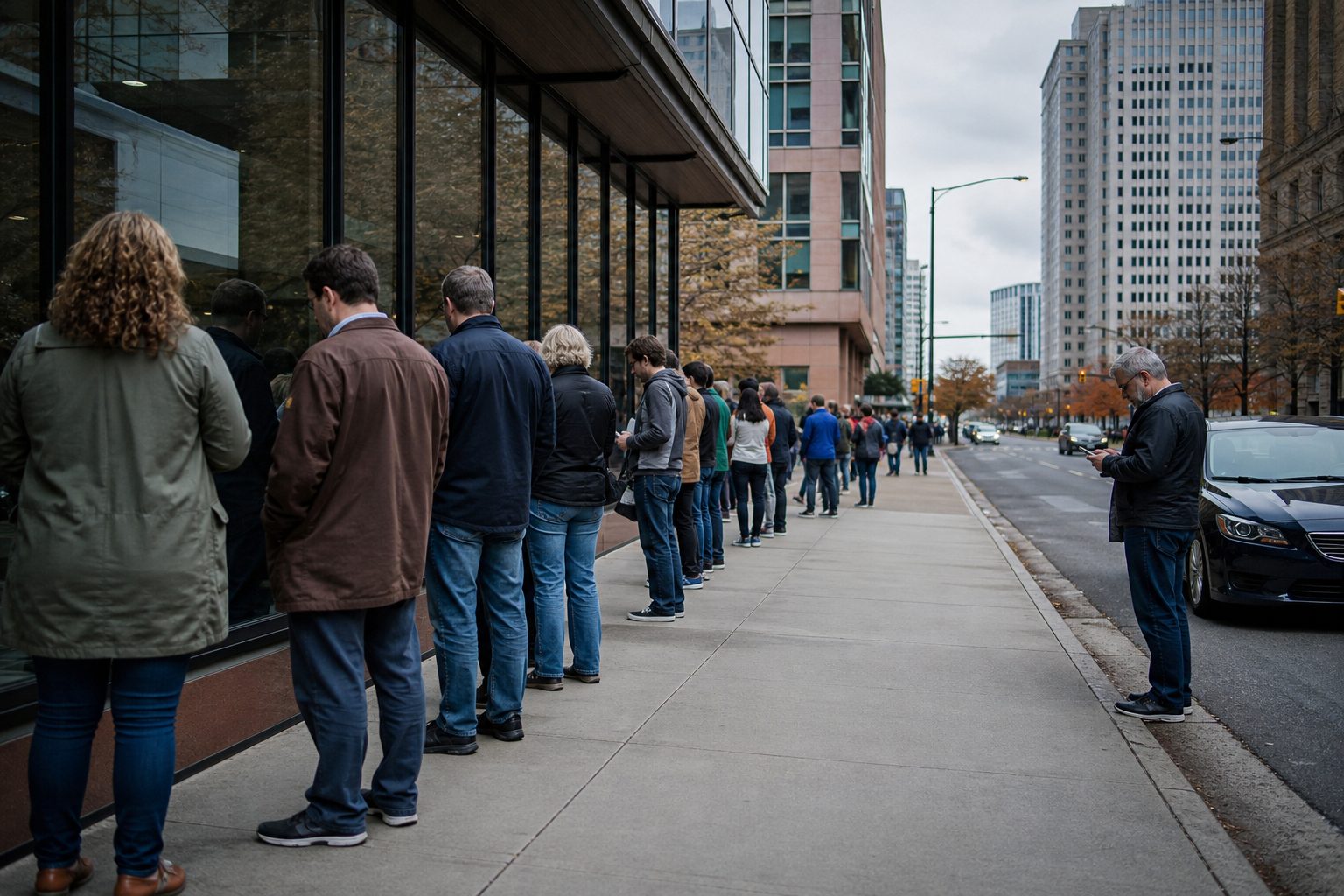
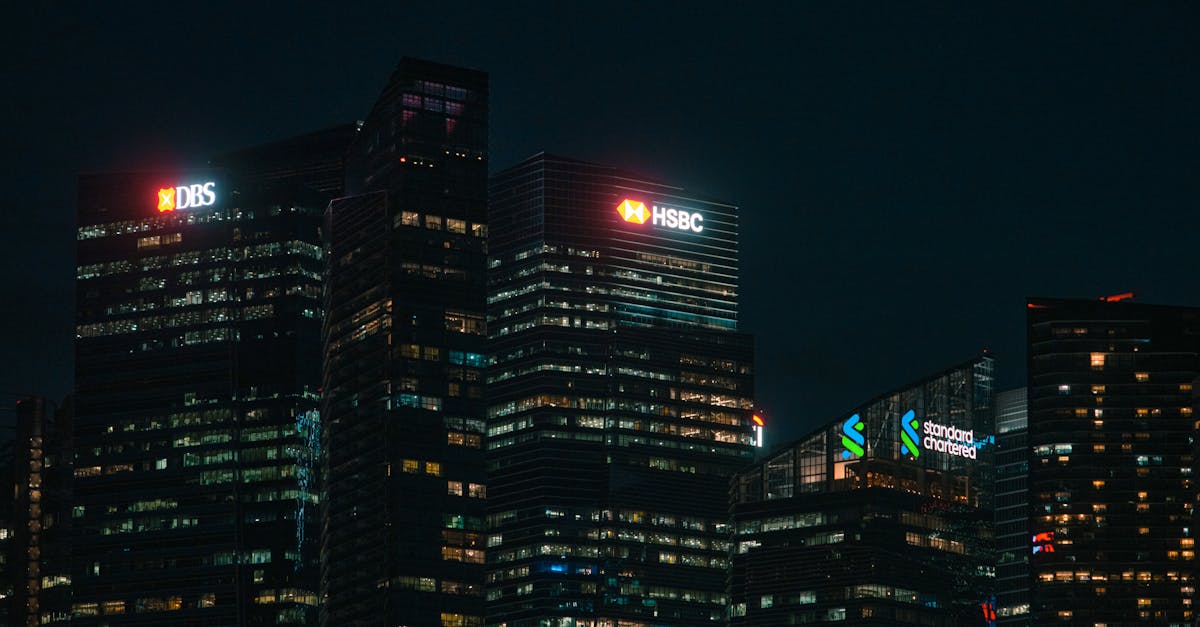
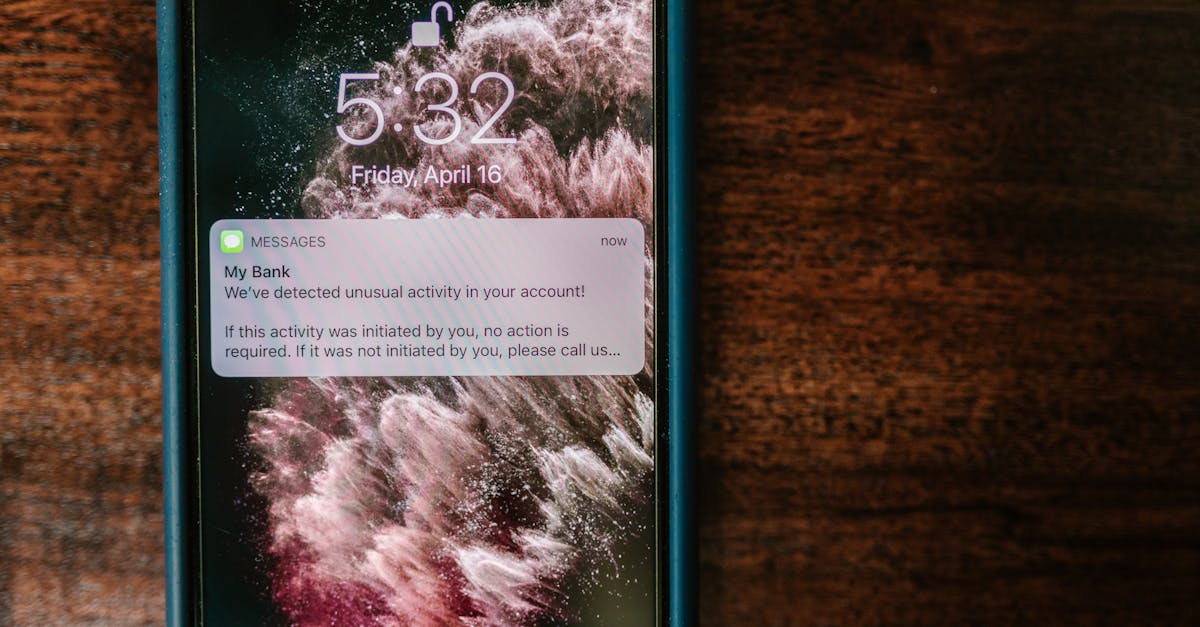
Your paycheck landed. Your balance says the money exists. But on Monday, November 16, 2026, many customers of America's largest banks could not get to it, at least not through the apps and websites they normally use. Customers of JPMorgan Chase, Bank of America, Wells Fargo, and U.S. Bank reported failed logins, stale or missing balances, delayed transfers, and in some cases trouble at ATMs (AP; Daily Voice). Truist, meanwhile, reportedly said its own systems were not directly affected, even as it warned that Zelle transfers involving other institutions could be delayed (AP).
The timing made it worse. The banking problems arrived four days after a major Microsoft outage disrupted Outlook and Teams for users worldwide, and three days after the Federal Aviation Administration grounded flights nationwide over failing telecommunications equipment (Axios; FAA). Three visible failures of critical digital infrastructure in one week invites an unsettling question: if the systems controlling access to our money can fail without warning, how much do we actually know about how reliable they are?
The honest answer, based on the evidence available today, has two parts. First, there is no indication that the banking system itself was in danger: no confirmed cyberattack, no bank insolvency, no lost deposits, and no failure of the Federal Reserve's core settlement infrastructure (CBS News). Second, and less comforting, the rules governing what banks must disclose during an outage are written mostly for regulators, not for you. During an event like this, the public is largely dependent on whatever the banks choose to say.
What actually broke on November 16
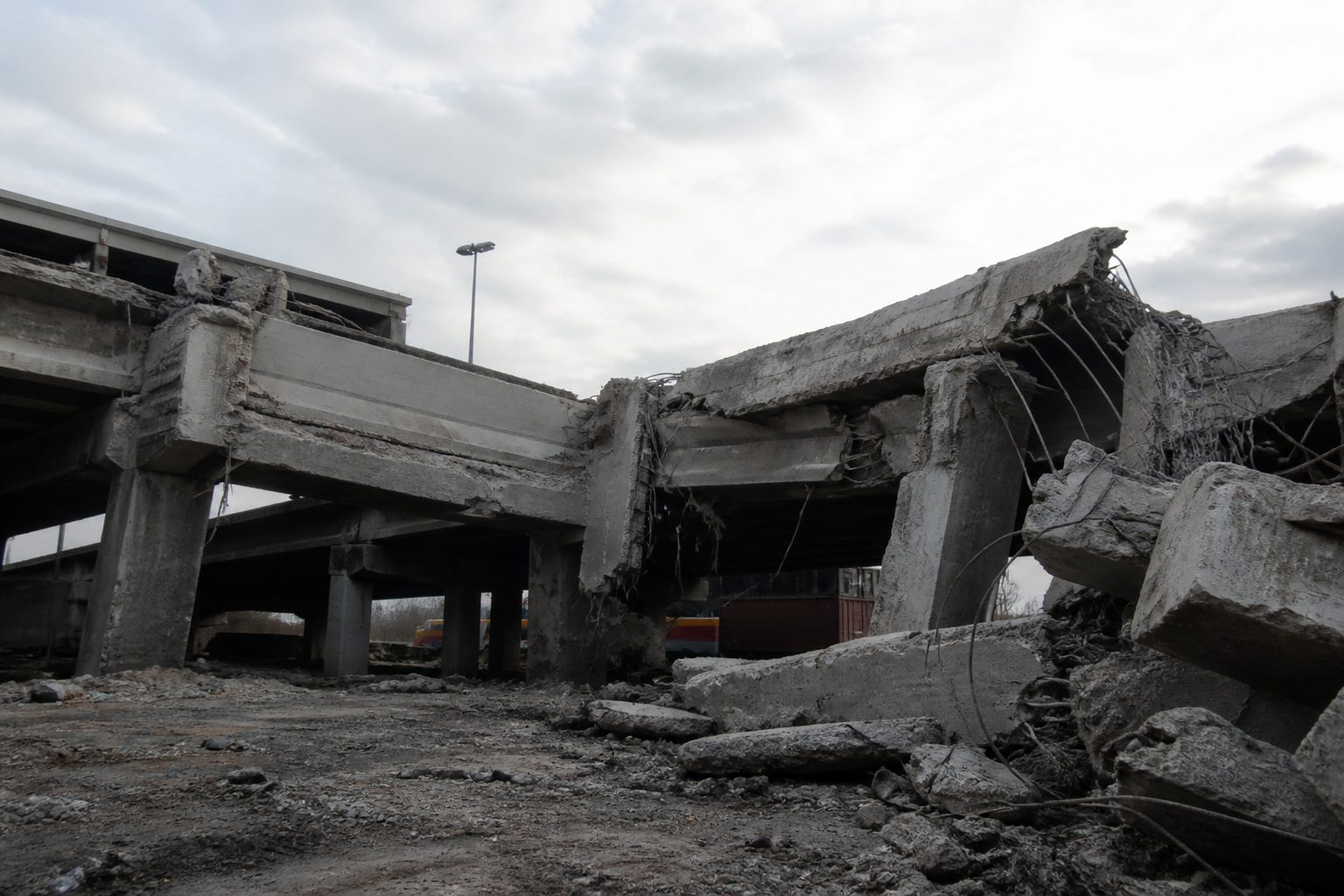
The disruption was real, broad, and uneven. Outage-tracking site Downdetector listed Chase, Bank of America, Wells Fargo, and U.S. Bank as experiencing elevated user reports, along with the payment service Zelle. Those figures represent customer submissions, not verified outage totals, which matters: a spike in complaints shows that many people had problems, not exactly how many or why (ABC11).
The symptoms varied by bank and by customer. Some people could log in but saw outdated account information. Others could not get into their accounts at all (Audacy/KNX). Reported Chase problems included website login failures, inaccessible mobile apps, missing or delayed balances and transfers, and some ATM or branch transaction issues (San Francisco Chronicle). U.S. Bank customers reported difficulty checking balances, logging in, and completing transactions, though the available reporting did not establish identical impacts across every channel (ABC11).
Several banks acknowledged problems directly. Chase Support acknowledged on X that it was working to resolve an online-banking issue, and Wells Fargo posted a website notice saying online banking was temporarily unavailable (NBC Chicago). Chase went further, saying a technical issue was delaying some transactions but that customers still had access to their accounts and funds, and that the problem was not cyber-related (AP).
Truist's position was notable for a different reason. The bank reportedly said its own systems were not directly affected, while warning that Zelle transfers involving other financial institutions could be delayed (AP). That single statement captures something important about modern banking: your bank can be working fine and your money can still be stuck, because the payment runs through systems your bank shares with everyone else.
Was this one failure or many?
This is the central unresolved question, and the current evidence does not settle it. Outage-monitoring data showed elevated complaints across multiple institutions, but the available reporting did not establish that every bank's problems came from one shared technical failure (yourNEWS). The scale and causes appeared to differ by bank (Daily Beast).

That ambiguity is itself revealing. There are two plausible shapes to an event like this, and they have very different implications:
- Coincidental individual failures. Each bank had its own internal technical problem, and the clustering in time was bad luck amplified by public anxiety after a difficult week for digital infrastructure.
- A shared-dependency failure. A common service provider, cloud platform, data aggregator, or payment network degraded, and the damage propagated outward to every institution that depends on it.
The second pattern is not hypothetical. Recent cloud and technology-provider incidents, including a major Google Cloud outage, have demonstrated that failures can spread far beyond one company because financial institutions depend on concentrated external infrastructure and shared service providers (ITPro). The appearance of Zelle, a network jointly used by the major banks, among the elevated complaint reports is consistent with some shared-network effect, but consistency is not proof. Zelle's status pages showed problem reports without an official acknowledgment listed at the time (StatusGator).
As of this writing, the defensible conclusion is that November 16 produced a significant, multi-bank access and processing disruption whose precise cause or causes have not been publicly established, and that no evidence reviewed supports the idea that America's financial system itself was failing (AP; CBS News).
Were the Microsoft and FAA failures connected?
The week's earlier incidents deserve scrutiny precisely because the clustering looks suspicious. Examined individually, each has a documented, non-malicious explanation, and no evidence links them technically to the banks.
The Microsoft outage began November 12 and disrupted Outlook, Teams, Copilot, and related services worldwide, reaching courts and congressional offices (Axios). Microsoft and outside reporting described it as a technical service failure, with no public indication of malicious activity (post-incident report).
The FAA's nationwide ground stop on Friday, November 13, has a stranger but similarly non-malicious official account. The agency says legacy equipment became unstable when its network received approximately 1,000 connection attempts every four to five seconds, with suspected sources involving sites in Amarillo, Texas, and El Dorado, Arkansas. Investigators found no indication of a cyberattack or outside malicious actor, and disabling router functionality stabilized the network (FAA Q&A). Officials attributed the event to telecommunications and legacy-system problems rather than a confirmed attack (Axios).
So three events, three sets of evidence, zero confirmed attacks, and no demonstrated technical link among them. What they share is not a cause but a condition: aging or concentrated digital infrastructure operating close to its limits, failing in ways that surprise even the institutions running it. That is a real vulnerability. It is just a different vulnerability than sabotage.
Where this story sits
5 related pieces
Read it →
Hover a story · click to read
 No. 69 · Oct 14, 2026Could AI Power the Next Major Bank Cyberattack? Lessons From South Korea
 No. 75 · Oct 21, 2026Are Banks Hiding Security Risks That Could Put Your Money at Risk? Inside the ARTEX Breach
 No. 101 · Nov 14, 2026Your Money. Their Rules. Why Banks Can Make You Wait to Withdraw Your Own Cash
 No. 46 · Sep 13, 2026Could a "Rogue AI" Cyberattack Push America Onto Stablecoin Rails?
 No. 73 · Oct 20, 2026After ARTEX: How the PRA, FSC Korea and the ECB SSM Diverged on AI Bank Risk
Did the Federal Reserve's payment rails hold?
For the November 16 disruption to have become a genuine financial emergency, the damage would have needed to reach the systems that move money between banks: Fedwire, which settles large-value transfers; FedACH, which handles payroll and bill payments; and FedNow, the instant-payment service. As of November 16, 2026, the official Federal Reserve materials reviewed do not identify a confirmed outage affecting any of them (Federal Reserve Financial Services).

The most significant recent Fedwire news is administrative, not operational. The Federal Reserve postponed a major November 2026 technical upgrade, the broader ISO 20022 messaging release, to November 2027 after Swift, the international payment-messaging network, delayed its corresponding standards release. The postponement was intended to keep Fedwire, Swift, and other major payment infrastructures compatible with one another, not to respond to any failure (FRFS). A limited, previously scheduled Fedwire change did proceed on November 16, affecting a verification option for certain FedLine Advantage customers (FRFS release schedule); nothing in the official materials connects it to the consumer-facing outages.
This distinction matters for interpreting the day. What failed, where failure occurred, was the customer-facing layer: apps, websites, login systems, balance displays, and person-to-person transfers. The settlement core that actually moves money between institutions showed no confirmed disruption. Your window into the money broke. The money, by all available evidence, kept moving.
What banks must tell regulators, and what they don't have to tell you
Here is where the question of transparency stops being a feeling and becomes a matter of written rules, and the rules are less reassuring than you might expect.
Since May 2022, banking organizations supervised by the OCC, FDIC, and Federal Reserve have been covered by the interagency Computer-Security Incident Notification Rule (FDIC). Under it, a bank must notify its primary federal regulator as soon as possible, and no later than 36 hours after determining that a "notification incident" occurred. The rule is broader than hacking: an actual or reasonably likely material disruption of banking operations, customer account access, or financial-sector stability qualifies, whether it comes from ransomware, a denial-of-service attack, or an ordinary major system failure (OCC Bulletin 2021-55). An event matching November 16's description would plausibly trigger that regulator notification.
But notice who receives it: the regulator. Not you.
The rule also obligates bank service providers to notify their bank clients when an incident materially disrupts covered services for four or more hours. That provider-to-bank obligation does not itself require anyone to notify the bank's customers or the public (Federal Register notice). Customer notification requirements under the interagency information-security guidelines turn chiefly on whether sensitive customer information was accessed and misuse is likely or reasonably possible, not on whether service went down (Federal Reserve guidelines). A pure outage, however disruptive, generally does not require a customer notice.
Publicly traded banks face one more channel: SEC rules require a Form 8-K disclosure when a company determines a cybersecurity incident is material, generally within four business days of that determination, describing the incident's nature, scope, timing, and material impact (SEC; Form 8-K). That rule covers cybersecurity incidents deemed material to investors. It does not force a public accounting of every operational failure.
The practical result is a structural transparency gap. Regulators may receive a detailed incident report within 36 hours. The public receives a tweet saying the bank is "working to resolve an issue." Both can be true at once, and nothing in the current framework closes the distance between them. If Americans feel they are not being fully informed during outages, that feeling reflects how the disclosure system is actually built, not necessarily anything any individual bank concealed on November 16.
How bad could an extended outage get?
The reporting reviewed did not establish the full duration of the November 16 disruption, but nothing in it indicated a multi-day failure. The more important question is what a multi-day failure would look like, and financial regulators have modeled exactly that.
The United Kingdom's 2026 National Risk Register includes a scenario in which a systemically important retail bank's critical technology becomes inoperable for at least two days, followed by two days of partial disruption. The modeled consumer effects include the inability to view balances, make payments, use online banking, or withdraw cash from ATMs, with prolonged disruption potentially undermining confidence in consumer-facing banking itself (UK National Risk Register 2026). The European Banking Authority similarly identifies account access, payments, cash withdrawals, ATM functions, and online logins as the services exposed during major ICT incidents, and emphasizes their potentially systemic cross-border effects (EBA Risk Assessment, November 2024).
Notice what these frameworks treat as the real danger. It is not that deposits vanish; deposits at insured banks are liabilities on the bank's books and do not disappear when an app crashes. The danger is operational: people who cannot pay rent on the day it is due, small businesses that cannot make payroll, and the erosion of confidence that follows when access fails repeatedly. An outage becomes an emergency not when money is lost but when enough people, for long enough, cannot reach money that still exists.
For a temporary disruption to escalate into a broader financial crisis, considerably more would need to fail than failed on November 16: core settlement systems like Fedwire would need to go down, the disruption would need to persist for days rather than hours, and public confidence would need to break in ways that change behavior, such as heavy cash withdrawals. None of those conditions was met, based on the evidence reviewed (CBS News; FRFS).
What this means for your own money
A few practical conclusions follow directly from how November 16 unfolded.

The failures concentrated in digital access channels. Chase stated that customers retained access to their accounts and funds even while some transactions were delayed (AP), and the disruption was uneven, with some channels working while others did not (Audacy/KNX). That pattern suggests the sensible personal hedges are the unglamorous ones: a modest cash reserve for a few days of essentials, a payment card or account at a second, unaffiliated institution, and awareness that a branch or phone line may work when an app does not. None of this is panic preparation. It is the household equivalent of the redundancy regulators already expect banks themselves to maintain.
It is also worth internalizing Truist's lesson from November 16: in a networked payment system, your own bank being healthy does not guarantee your payment arrives, because services like Zelle depend on every institution in the chain (AP). Redundancy across institutions protects you in a way that loyalty to one institution cannot.
So is the financial system more fragile than we're told?
Split the question in two, because the evidence answers each half differently.
Is the system more fragile than official reassurances suggest? In one specific sense, yes. The week of November 12 to 16, 2026 demonstrated that three separate pillars of American digital life, enterprise software, air traffic control, and consumer banking, can each fail visibly within days of one another, for reasons their operators did not predict, in systems the public assumed were robust. The FAA's own account of legacy equipment destabilized by a flood of connection attempts (FAA Q&A) is a portrait of infrastructure aging faster than it is being replaced. Banking's dependence on concentrated shared providers creates the same shape of risk (ITPro). Operational fragility is real, documented, and modeled by regulators themselves.
Are we being told less than regulators know? Structurally, yes, and this is the finding worth sitting with. The disclosure regime routes detailed incident information to supervisors within 36 hours while requiring almost nothing be said to customers during an outage (OCC; Federal Reserve). That is a deliberate design choice, defensible on grounds of avoiding panic and protecting security details, but it means public understanding of events like November 16 will always lag, and may never fully arrive.
What the evidence does not support is the darker reading. No reviewed source confirmed a cyberattack, a bank failure, lost deposits, or any interruption of the Federal Reserve's settlement core (CBS News). The banks did not go dark; their windows did. The money kept moving behind glass that millions of people suddenly could not see through.
That distinction should shape both the worry and the demand. The right question for banks and regulators after November 16 is not whether the financial system is secretly collapsing. It is why the public's view into a critical system is allowed to fail this often, and why, when it does, the rules require so little explanation.
Sources / References
- Associated Press, "Customers report outages at major US banks," November 16, 2026. https://apnews.com/article/bank-outage-chase-wells-fargo-truist-50fee2693c22f597fa6ca51a97ef2cda
- Associated Press, "Customers at major US banks report difficulty with some online services," November 16, 2026. https://apnews.com/article/50fee2693c22f597fa6ca51a97ef2cda
- CBS News, "Major U.S. banks report widespread service outages," November 16, 2026. https://www.cbsnews.com/news/banks-online-service-outages-jpmorgan-chase-bank-of-america-wells-fargo/
- Daily Voice, "Chase, Bank Of America, Wells Fargo Customers Report Outages," November 16, 2026. https://dailyvoice.com/article/chase-bank-of-america-wells-fargo-customers-report-outages/
- Audacy/KNX News, "Customers at major banks report difficulty accessing accounts online," November 16, 2026. https://www.audacy.com/knxnews/news/business/bank-outage-chase-wells-fargo-truist-50fee2693c22f597fa6ca51a97ef2cda
- ABC11, "Customers of nation's largest banks report difficulty accessing accounts online," November 16, 2026. https://abc11.com/post/customers-nations-largest-banks-are-reporting-difficulty-accessing-accounts-online/20045188/
- NBC Chicago, "Is Chase Bank down? Multiple banks report online issues," November 16, 2026. https://www.nbcchicago.com/news/local/multiple-banks-reporting-online-banking-outages-across-u-s/4017471/
- San Francisco Chronicle, "Chase customers report widespread online banking problems," November 16, 2026. https://www.sfchronicle.com/bayarea/article/chase-online-banking-outage-22533668.php
- yourNEWS, "Major U.S. Banks Report Service Disruptions as Thousands of Customers Encounter Login Problems," November 16, 2026. https://yournews.com/2026/11/16/7269508/major-u-s-banks-report-service-disruptions-as-thousands-of-customers/
- The Daily Beast, "U.S. Hit By Another Massive Outage as Major Banks Go Down," November 16, 2026. https://www.thedailybeast.com/chase-bank-of-america-wells-fargo-go-down-in-third-major-outage-in-us
- StatusGator, "Zelle Status," accessed November 16, 2026. https://statusgator.com/services/zelle
- Federal Aviation Administration, "FAA Statement on Nationwide Ground Stop," November 13, 2026. https://www.faa.gov/newsroom/faa-statement-nationwide-ground-stop
- Federal Aviation Administration, "Nationwide Ground Stop: Questions and Answers," November 2026. https://www.faa.gov/newsroom/nationwide-ground-stop-questions-and-answers
- Axios, "What we know about what caused the FAA's nationwide ground stop," November 16, 2026. https://www.axios.com/2026/11/16/faa-flights-ground-stop-router-cause-reasons
- Axios, "Microsoft outage hits courts, Congress," November 13, 2026. https://www.axios.com/2026/11/13/microsoft-outage-hits-courts-congress
- Microsoft post-incident report (via 365fanatic archive), November 2026. https://www.365fanatic.com/wp-content/uploads/2026/11/PostIncidentReport.pdf
- Federal Reserve Financial Services, "Fedwire Funds Service's November 2026 release rescheduled to November 2027." https://www.frbservices.org/news/communications/082726-fedwire-funds-services-release-rescheduled/
- Federal Reserve Financial Services, "Fedwire Funds Service Upcoming Releases." https://www.frbservices.org/resources/financial-services/wires/fedwire-funds-service-iso-20022-implementation-center/fedwire-funds-service-upcoming-releases/
- FDIC, "2025 Report on Cybersecurity and Resilience." https://www.fdic.gov/banker-resource-center/2025-report-cybersecurity-and-resilience.pdf
- OCC, "Computer-Security Incident Notification: Final Rule," Bulletin 2021-55. https://occ.treas.gov/news-issuances/bulletins/2021/bulletin-2021-55.html
- Federal Reserve, Federal Register notice, "Computer-Security Incident Notification Requirements for Banking Organizations and Their Bank Service Providers," November 2021. https://www.federalreserve.gov/newsevents/pressreleases/files/bcreg20211118a1.pdf
- Federal Reserve, "Interagency Guidelines Establishing Information Security Standards." https://www.federalreserve.gov/supervisionreg/interagencyguidelines.htm
- SEC, "SEC Adopts Rules on Cybersecurity Risk Management, Strategy, Governance, and Incident Disclosure by Public Companies," July 2023. https://www.sec.gov/newsroom/press-releases/2023-139
- SEC, Form 8-K general instructions. https://www.sec.gov/files/form8-k.pdf
- UK Government, "National Risk Register 2026," Chapter 4: Accidents and systems failures. https://assets.publishing.service.gov.uk/media/6a50d66b1228eb26a4cab76c/National_Risk_Register_2026.pdf
- European Banking Authority, "Risk Assessment Report," November 2024. https://www.eba.europa.eu/sites/default/files/2024-11/f03ee0c1-7258-4391-8bf1-578924956049/EBA%20Risk%20Assessment%20Report%20-%20Autumn%202024.pdf
- ITPro, "The Google Cloud outage explained." https://www.itpro.com/infrastructure/the-google-cloud-outage-explained-what-happened-who-was-affected-and-what-can-we-learn-from-the-incident
The reading behind this research
What the desk leaned on for this piece. Each link goes to the retailer, where the price is shown.

SentrySafe 1200 Fireproof Money Box
The article shows apps, websites and even some ATMs failing at once; a small fire-resistant box lets you keep an emergency cash reserve at home.
View on Walmart
Adams Check Payment & Deposit Register
When apps showed stale or missing balances during the November outage, a paper record of deposits and checks was the only balance some could trust.
View on Walmart
The article shows that on November 16 many people could not reach their own money through apps or ATMs, and paper bills work when those systems do not.
View on Walmart
The article notes your bank can work fine while Zelle transfers stall in shared systems; this explains how that plumbing between banks actually works.
View on WalmartPaid links. Calibre Code USA may earn a commission from purchases made through these links. This does not affect what we write or what we recommend.
Continue exploring
Your Money. Their Rules. Why Banks Can Make You Wait to Withdraw Your Own Cash
Viral videos claim banks won't release customers' cash. The reality: deposit contracts, branch cash logistics, and federal…
Could a "Rogue AI" Cyberattack Push America Onto Stablecoin Rails?
A cyberattack blamed on rogue AI could accelerate America's shift toward stablecoins and tokenized deposits, and the legal…
After ARTEX: How the PRA, FSC Korea and the ECB SSM Diverged on AI Bank Risk
Weeks after the ARTEX AI breach hit at least seven South Korean financial firms, the FSC, PRA and ECB SSM each chose a different…
Comments
No comments yet. Start the conversation below.