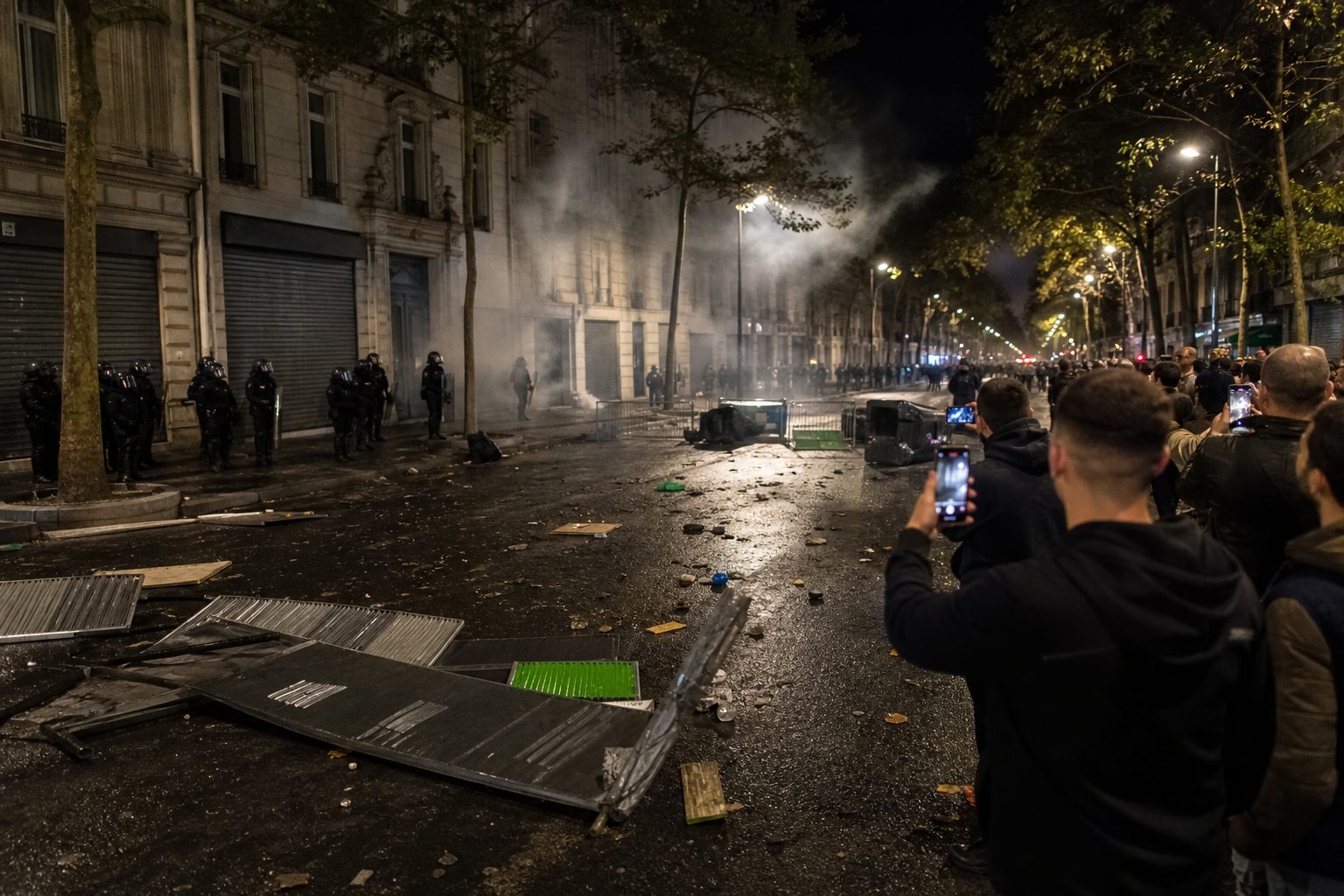
France’s October 2026 unrest began with real domestic grievances. Foreign-linked networks did not create the protests, according to the public evidence currently available. They tried to change what the protests meant.
Russian-linked operators circulated fabricated reports that made French unrest appear to be proof of uncontrolled immigration, Islamist radicalism, and a government unable to maintain order. Other foreign-linked and transnational accounts pushed competing versions of the same crisis. Some connected the violence to migration and Islamism. Others used it to attack Western governments, French institutions, or political opponents.
The result was not one unified influence operation. It was a contest to seize the meaning of a real event.
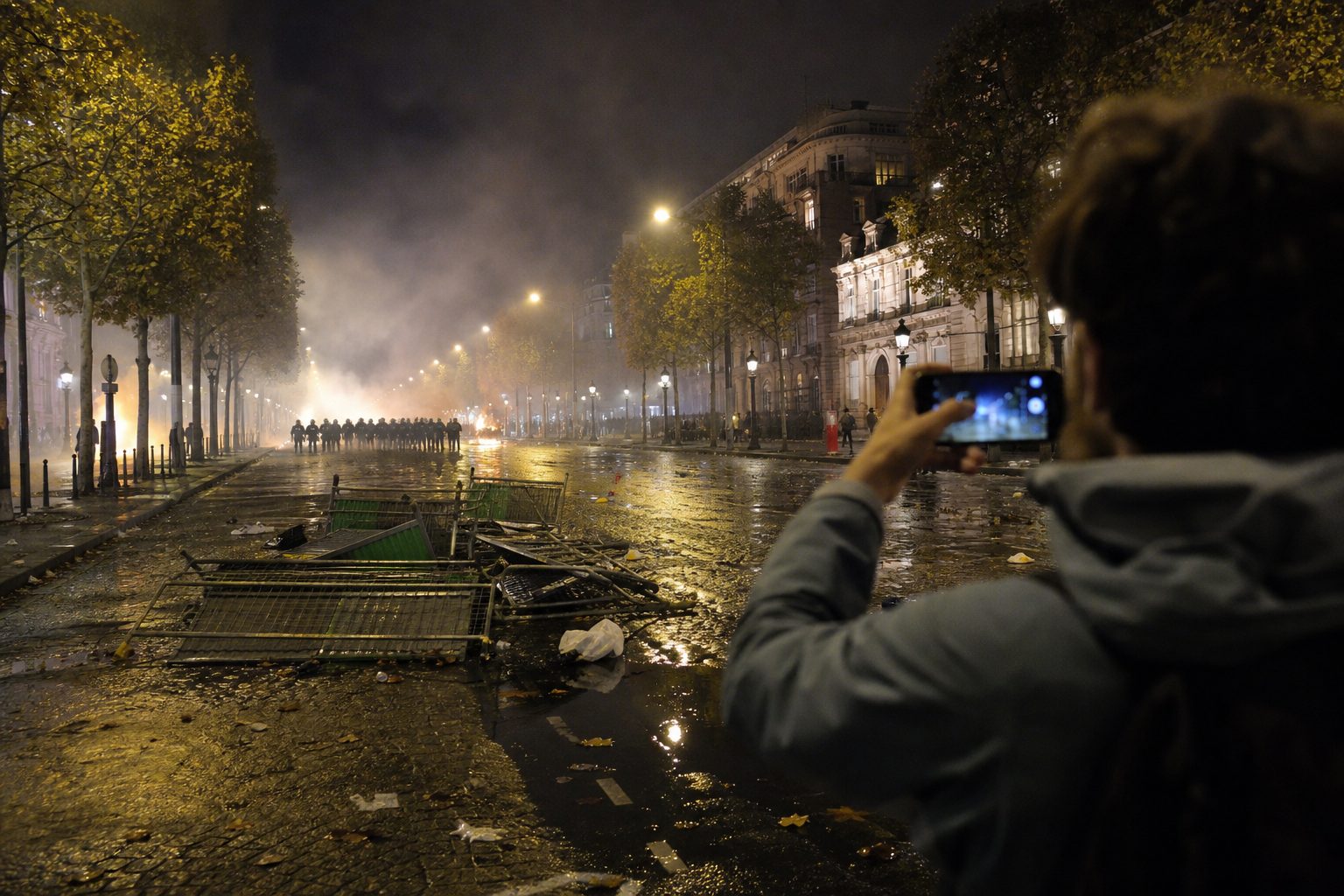
That distinction matters. A protest can be genuine and still become an information weapon. Images from the streets provide the raw material. Fabricated headlines, cloned broadcasters, synthetic audio, and algorithmic distribution turn that material into political narratives that travel far beyond the original event.
The unrest came first

The available evidence does not support the claim that foreign networks caused France’s October protests.
The Alliance4Europe investigation, which analyzed 547,471 posts across six platforms and nine languages, found evidence of foreign amplification but not of foreign actors originating the unrest. Its analysis described a pattern in which domestic grievances generated the protests, while outside networks selected and intensified particular interpretations of them. (Alliance4Europe)
The same broad conclusion appears in reporting on a European Union assessment of the unrest. Reuters reported that the protests were rooted in demonstrations over rising living costs and declining public services before escalating into violence. The assessment examined activity between October 7 and October 21 and found that Russian-linked actors attempted to recast the disorder as evidence of uncontrolled immigration, radical Islamism, and state failure. (Reuters report via IMI)
Those findings describe two separate events that unfolded on top of each other.
First came the physical unrest, driven by grievances inside France. Then came the information struggle, in which actors outside France tried to explain the unrest to audiences at home and abroad.
The second event could not exist without the first. False narratives gained traction because they were attached to genuine images of fires, clashes, damaged buildings, and crowds. The deception was not usually a fabricated crisis from nothing. It was a real crisis with false captions, false context, and invented supporting evidence.
Operation Overload turned imitation into a weapon
The Russian-linked campaign identified in the EU reporting was known as Operation Overload. French authorities have also used the name Matriochka for a campaign targeting media organizations, journalists, researchers, and fact-checkers.
VIGINUM, France’s government service for monitoring foreign digital interference, identified Matriochka as an active campaign operating since at least September 2023. Its earlier investigations described a recurring method: create or circulate false material, imitate a legitimate media outlet or institution, and then push the material toward journalists and fact-checkers as if it were a breaking story. (VIGINUM report; VIGINUM overview)
Reporting on the October 2026 activity described tactics consistent with that earlier model. Fabricated videos were styled as broadcasts from Western news organizations. False newspaper front pages copied the appearance of French publications. Altered photographs and AI-generated voice clones supplied apparent evidence for claims that had not happened. (Reuters report via IMI; WIRED)
The operation’s logic was simple: make a false claim look like journalism before asking users to believe it.
Reported examples included counterfeit material imitating France 24, RFI, BFM TV, and Le Parisien. Some videos reportedly combined authentic footage of unrest with fabricated audio. That combination is harder to detect than a completely invented clip because the images may genuinely show France, even though the narration or caption changes their meaning. (Nexus Europa)

Synthetic media did not replace older disinformation techniques. It added another way to imitate authority. A forged headline supplies the appearance of a newspaper. A cloned voice supplies the intimacy of a television report. Authentic riot footage supplies visual confirmation. Together, they can persuade a viewer who would reject a plainly invented video.
But the presence of synthetic media does not prove that every widely viewed false claim came from a single centralized operation. It establishes a technique, not automatically the identity of every operator using it.
The campaign attacked the space around the facts
Operation Overload was not designed only to persuade ordinary users directly. Its operators also tried to force false material into the workflow of people whose job is to check it.
A French government activity report described a distinctive tactic: seed false content on X, then use coordinated accounts and emails to pressure journalists, researchers, and fact-checkers to investigate or debunk it. The effect is a form of information flooding. Verification organizations must spend time disproving a claim even when the claim was never credible. (French government activity report via Vie-publique)
An EU document described the same objective as exhausting verification communities, undermining trusted institutions, and amplifying pro-Russian narratives rather than simply persuading audiences one by one. (EUR-Lex)
That tactic changes the measure of success. A false story does not need to become accepted by everyone. It may be enough for the story to occupy journalists, trigger corrections, confuse readers, and make all sources appear equally unreliable.
The campaign therefore attacked both sides of the information system. It manufactured content for audiences while creating extra work for the institutions expected to correct it.
Where this story sits
5 related pieces
Read it →
Hover a story · click to read
 No. 79 · Oct 22, 2026Sorting France’s October 2026 Protest Videos: Real, Misleading, or AI-Made?
 No. 76 · Oct 21, 2026Who Controls Your Feed During a Crisis? France's October 2026 Crackdown Shows a Global Pattern
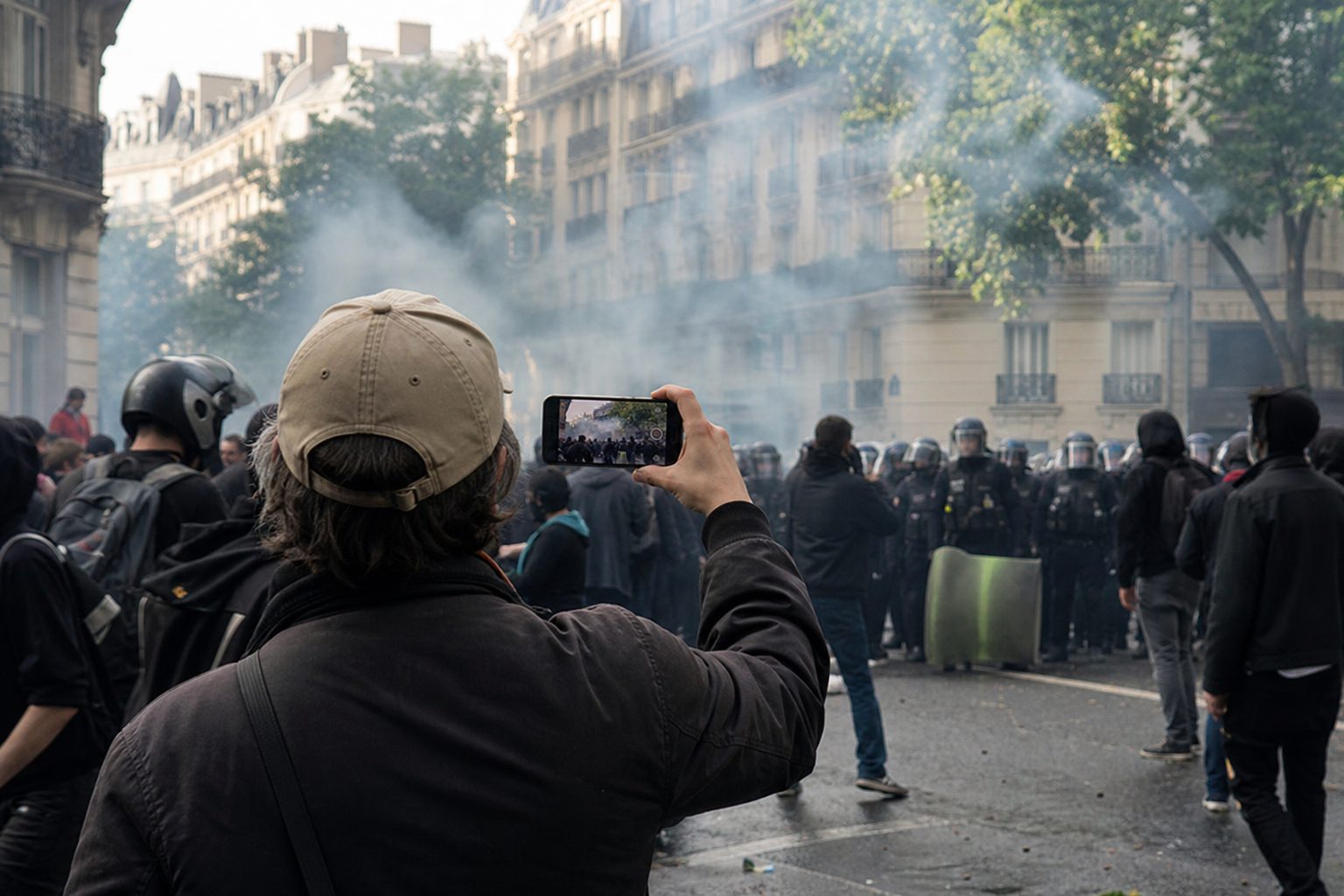 No. 86 · Nov 1, 2026When Protest Footage Is Restricted, Who Can Verify It?
 No. 17 · Aug 27, 2026The Kidnappers Outsmart Nigeria’s Surveillance State
 No. 54 · Sep 23, 2026The Foreign Dependencies Inside China’s State AI Clouds
Different networks used the same unrest for different purposes
The foreign-linked activity was not a single alliance.

The Russian-linked campaign promoted narratives portraying France as weak, chaotic, increasingly authoritarian, or unable to control its streets. The EU assessment described attempts to connect the unrest to migration and radical Islamism. Reporting on the assessment said the broader objective was to deepen distrust in French and European institutions. (Reuters report via IMI)
Other networks pushed related but distinct narratives. Reporting on a French foreign-ministry assessment described accounts linked to Israeli actors and the MAGA movement circulating claims that tied the unrest to migration and Islamism. The available reporting does not establish that those networks were operating as one coordinated campaign, or that every account was directly controlled by a government. It describes competing foreign-linked actors using the same crisis for different political purposes. (Times of Israel; Reuters report via Sigmalive)
That distinction prevents a common analytical mistake. Similar messages do not necessarily prove common command.
A Russian-linked operation may want to discredit European governments. A MAGA-linked network may want to portray liberal governments as incapable of maintaining order. Israel-linked pages may push narratives shaped by arguments about Islamism, migration, or Israel’s political conflicts. The messages can overlap while the actors remain separate.
The shared effect is polarization. Each narrative turns a complicated domestic crisis into evidence for an existing political worldview.
Reach was measurable. Persuasion was not.
The campaigns generated large numbers, but large numbers do not by themselves demonstrate influence.

Reuters reported that the ten most-viewed MAGA-linked posts attracted more than 49 million views, while Israel-linked posts drew more than 35 million. Those figures measure exposure reported for selected posts. They do not show how many people watched to the end, believed the claims, encountered corrections, or changed their opinions. (Reuters report via IMI)
Alliance4Europe reported that 639 coordinated messages attributed to a Russian-linked Doppelgänger network received approximately 7.4 million views. It also found that Russian-linked Pravda sites produced 1,018 articles across 28 sites and nine languages, often copying material within minutes of one another. (Alliance4Europe)
The investigation found an important asymmetry in language. A false claim blaming immigrants for burning Limoges town hall circulated 3.6 times more in English than in French and appeared in English roughly six hours earlier. That pattern is consistent with a campaign aimed at exporting an interpretation of France’s unrest to foreign audiences, not merely influencing people in France. Timing and reach still do not prove who believed the claim or whether it changed political behavior. (Alliance4Europe)
The strongest public evidence therefore establishes distribution, repetition, and targeting. It does not establish a measurable change in French public opinion, turnout, voting intention, or support for a particular candidate.
AFP’s review of digital interference around France’s 2026 municipal elections reached a similar limit. It found that interference campaigns were intensifying but reported no public evidence that they had changed polling numbers, altered candidate selection, suppressed turnout, or determined an election result. (AFP Factuel)
The distinction is essential: visibility is an input into influence, not proof of influence.
Vivid falsehoods traveled because they confirmed existing fears

The most effective material was not necessarily the most technically sophisticated. It was material that matched what an audience already suspected.
Le Monde’s reporting on the October protests described falsely geolocated videos and AI-generated “Pink Panther” imagery that reached nearly 10 million views. The report presented the material as evidence of how vivid, identity-confirming content could travel widely, even when its location or context was false. (Le Monde)
Other claims alleged that migrants had raped protesters or that terrorist attacks in France were imminent. These allegations converted uncertainty into alarm. They also made correction difficult: a dramatic accusation can spread widely before a careful verification arrives, and a later correction rarely reproduces the original emotional force. (WIRED)
The same broader tactic appeared in the recycling of old or unrelated footage. AFP fact-checkers identified material from Vancouver’s 2011 Stanley Cup riots, a Philippine fire, and an older French clip that had been falsely presented as evidence from unrest in France. The fact-check illustrates how real images can be detached from their original time and place and reused in a different political narrative. (AFP Fact Check)
False context often works better than a false image. Viewers do not need to doubt what they see if the image is real. They only need to accept the wrong place, date, or explanation.
What the platforms show, and what they do not
The public evidence provides a clearer picture of how content circulated than of how platforms responded.

Alliance4Europe’s cross-platform analysis documented coordinated messages, rapid copying across sites, and movement across languages. That is evidence of distribution infrastructure. It does not, by itself, reveal which recommendation systems amplified each post, which accounts were removed, or how many users saw corrections.
Research from New York University’s Center for Social Media, AI, and Politics complicates the idea that foreign or AI-generated content automatically drove violence. Its study examined nearly one million public TikTok videos, 16 billion views, and 4.5 million comments between September 1 and October 29. It found that mobilization appeals circulated widely, but explicit calls for violence represented only 0.27 percent of comments. Videos depicting violence accounted for 14 percent of views, and more than half of those views came from news organizations. Comments condemned violence almost ten times more often than they celebrated it. The study found no general visibility advantage for violent imagery and no major artificial amplification attributable to AI or foreign interference. (NYU Center for Social Media, AI, and Politics)
That study does not disprove the existence of foreign influence campaigns. It addresses a different question: whether the available TikTok data shows that artificial amplification or violent content broadly drove the unrest.
The distinction matters because platforms are not one information environment. A campaign can use X to seed a forged document, messaging apps to coordinate distribution, websites to host a counterfeit article, and TikTok or other video platforms to reach a wider audience. Evidence of manipulation in one part of the network does not show that every platform amplified it in the same way.
Nor does the existence of moderation prove that a campaign failed. Content can be removed after it has already been copied, translated, archived, or converted into new formats. A platform can suppress one post while leaving the narrative intact elsewhere.
What remains unproven
Several important claims remain beyond the public evidence.
There is no evidence in the supplied investigations that Russian-linked, MAGA-linked, or Israeli-linked networks caused the original French protests. The available research instead supports a sequence in which genuine unrest came first and foreign actors tried to exploit it.
There is evidence of fabricated content, impersonated media, coordinated distribution, and narrative targeting. But attribution is not uniform. “Linked” can refer to infrastructure, account behavior, language patterns, or prior connections. It does not always establish the identity of the individual who created a post, much less prove direct state control.
There is also no public evidence yet showing that the campaigns changed French polling, redirected turnout, altered candidate selection, or determined an electoral result. France’s 2027 presidential election may provide a more important target, and a campaign targeting candidates has already prompted complaints and a Paris prosecutor’s investigation, according to Euronews. But a warning about future interference is not evidence that interference has already changed the election. (Euronews)
Finally, view counts cannot answer the central psychological question: what did people believe after seeing the content? To answer that, researchers would need reliable exposure data, surveys conducted before and after the campaigns, experiments or panel studies, and evidence connecting exposure to changes in attitudes or behavior.
That work may eventually show meaningful effects. It may also show that much of the campaign reached people who already held the views it expressed.
A real crisis can be rewritten without being invented

The most defensible conclusion is narrower than the most dramatic one.
France’s October unrest was real. The evidence does not show that foreign networks manufactured it. It does show that Russian-linked operators and other foreign-linked accounts tried to reshape its meaning through forged journalism, synthetic audio, manipulated images, false geolocation, rapid cross-platform copying, and emotionally charged claims about migration, Islamism, and state collapse.
The campaigns benefited from a basic weakness in online communication: authentic images can carry fabricated explanations. Once a video of real unrest is separated from its original time and place, the person watching it may have no easy way to recover the truth.
That is why the central question is not whether the riots were real. They were. The question is who gets to explain them after they happen.
As of November 9, 2026, the public evidence shows a contest over that explanation, not proof of a foreign operation that controlled France’s streets or determined its politics. The campaign was real. Its ultimate influence remains unproven.
Sources / References
- Reuters, “Covert Russian network exploited French riots on social media, EU report says,” November 9, 2026. Republished by IMI: https://imi.org.ua/en/news/ta%D1%94mna-rosijska-merezha-manipulyuvala-temoyu-protestiv-u-franczi%97-v-soczmerezhah-reuters
- Alliance4Europe, “EU Unrest Report: How France’s October 2026 protests were manipulated, then retold abroad”: https://alliance4europe.eu/report/eu-unrest-report-how-frances-october-2026-protests-were-manipulated-then-retold-abroad
- VIGINUM / SGDSN, “Matriochka: A pro-Russian campaign targeting the media and the fact-checking community”: https://www.sgdsn.gouv.fr/publications/matriochka-une-campagne-prorusse-ciblant-les-medias-et-la-communaute-des-fact-checkers
- VIGINUM / SGDSN, “Matriochka” report, June 11, 2024: https://www.sgdsn.gouv.fr/files/files/20240611_NP_SGDSN_VIGINUM_Matriochka_EN_VF.pdf
- European Union, EUR-Lex, Staff Working Document 52025SC0147: https://eur-lex.europa.eu/legal-content/EN/ALL/?uri=CELEX%3A52025SC0147
- French government activity report, Vie-publique: https://www.vie-publique.fr/files/rapport/pdf/301522.pdf
- WIRED, “The Co-Opting of French Unrest to Spread Disinformation”: https://www.wired.com/story/co-opting-french-unrest-spread-disinformation/
- Nexus Europa, “Russia-Linked Network Spread Fake News During French Riots, EU Report Finds”: https://nexuseuropa.eu/en/article/russia-linked-network-spread-fake-news-during-french-riots-eu-report-finds
- The Times of Israel, “France finds Israel-linked pages spread narrative tying riots to Islamism, migration”: https://www.timesofisrael.com/france-finds-israel-linked-pages-spread-narrative-tying-riots-to-islamism-migration/
- Le Monde, “October 17 protests triggered a large-scale wave of disinformation, both in France and abroad,” October 26, 2026: https://www.lemonde.fr/en/les-decodeurs/article/2026/10/26/october-17-protests-triggered-a-large-scale-wave-of-disinformation-both-in-france-and-abroad_6764551_8.html
- NYU Center for Social Media, AI, and Politics, “Violence on TikTok”: https://csmapnyu.org/research/reports-analysis/violence-on-tiktok
- AFP Fact Check, “Photo shows riots after 2011 Stanley Cup Finals in Vancouver, Canada, not in France in 2023”: https://factcheck.afp.com/doc.afp.com.33M74TB
- AFP Factuel, “As municipal elections approach, digital interference intensifies, but its reach remains limited,” 2026: https://factuel.afp.com/doc.afp.com.A34F763
- Euronews, “Fake videos and false allegations target candidates in French 2027 presidential election,” August 12, 2026: https://www.euronews.com/2026/08/12/fake-videos-and-false-allegations-target-candidates-in-french-2027-presidential-election
The reading behind this research
What the desk leaned on for this piece. Each link goes to the retailer, where the price is shown.

Active Measures: The Secret History of Disinformation and Political Warfare by Thomas Rid
The article says foreign networks didn't start France's riots but fought over their meaning; this book traces how that tactic was built.
View on Walmart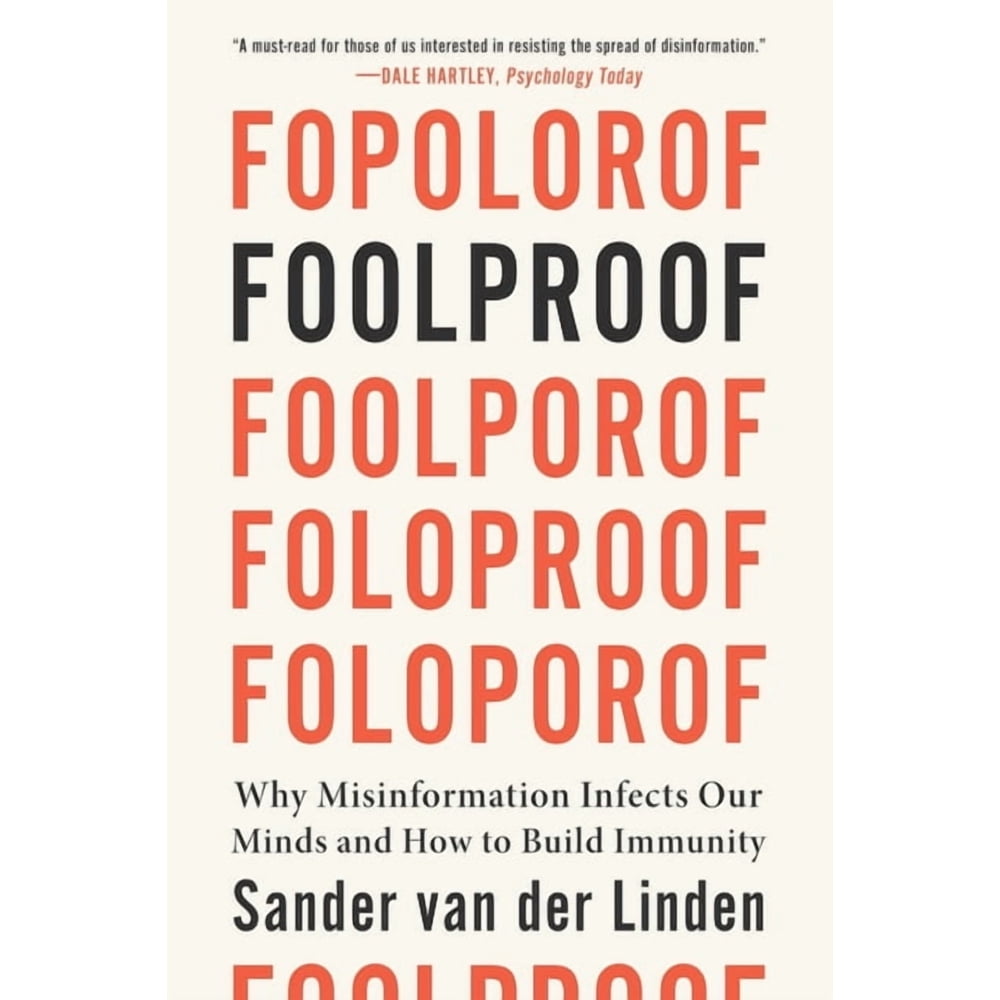
Foolproof: Why Misinformation Infects Our Minds and How to Build Immunity by Sander van der Linden
The article shows real footage got false captions and fake broadcasts attached to it; this book explains how to spot that kind of trick before it sticks.
View on Walmart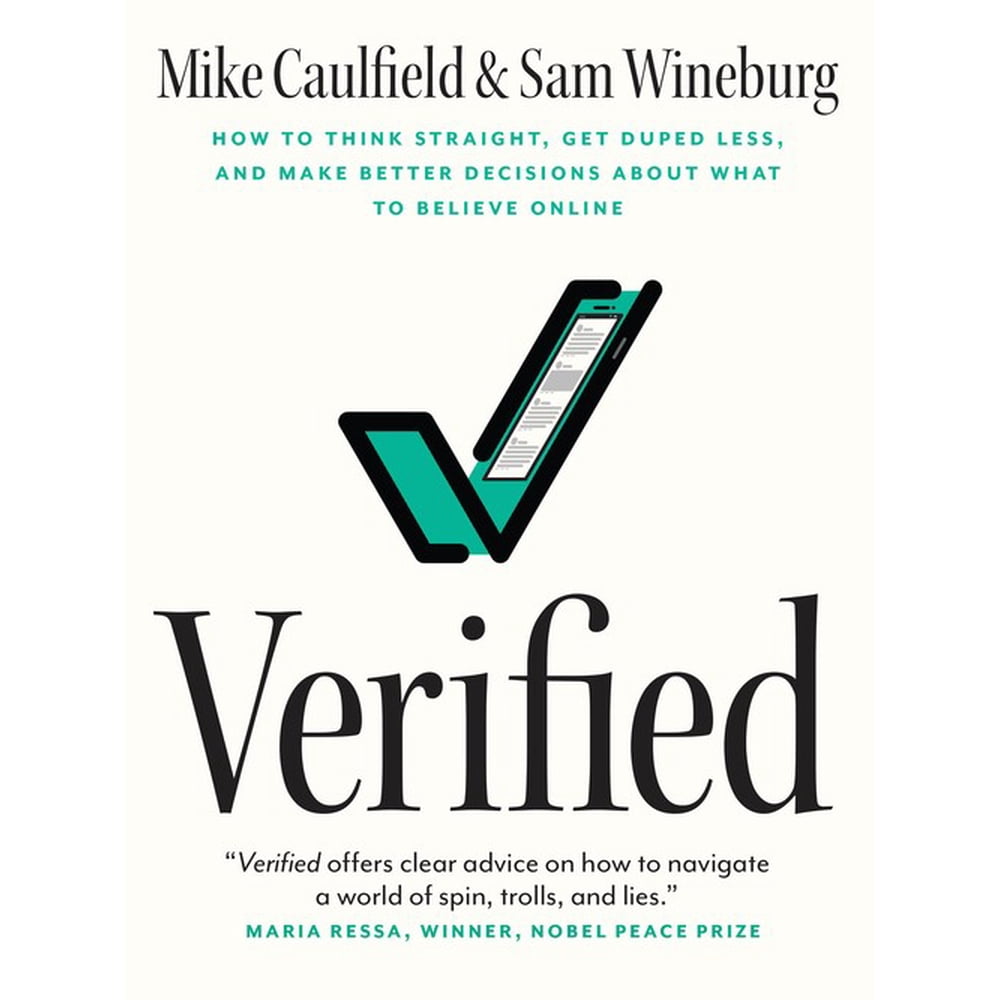
The article shows real riot footage got false captions and fake news-branded clips; this book teaches quick checks for who is really behind a claim.
View on Walmart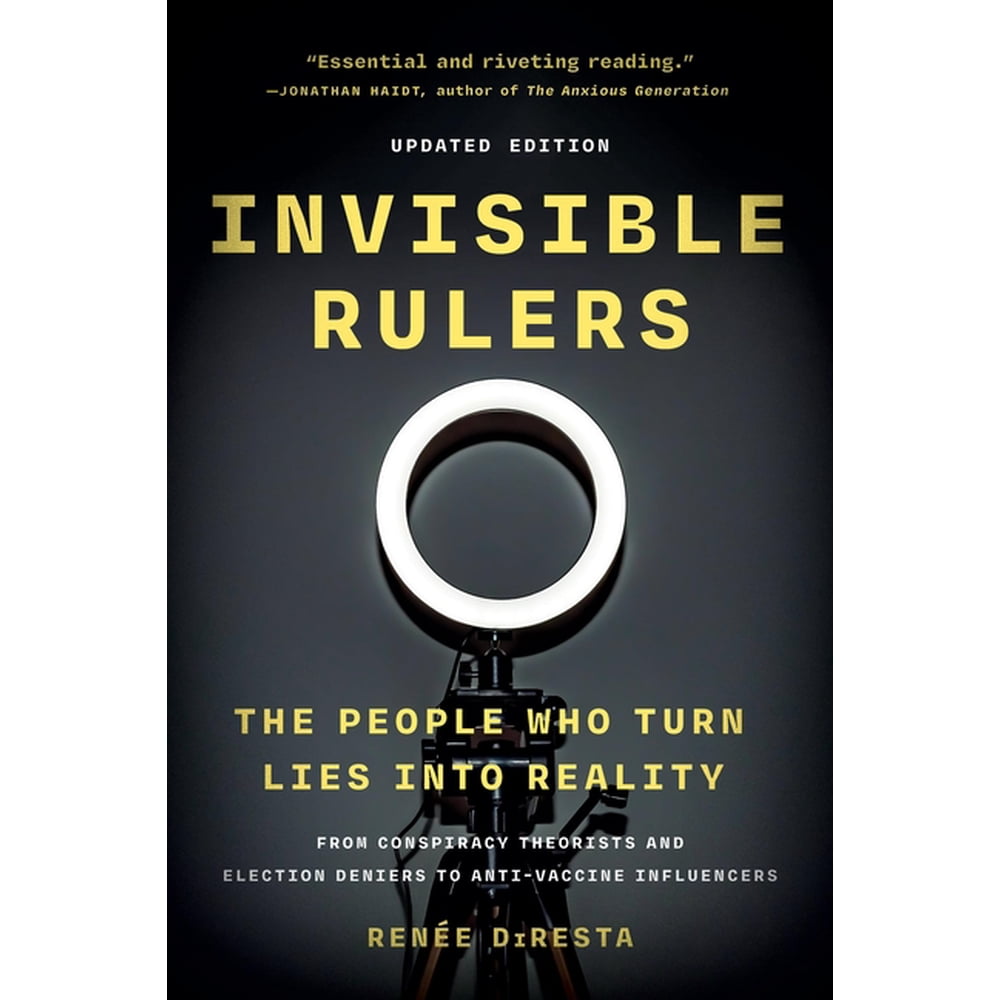
Invisible Rulers: The People Who Turn Lies into Reality (Renée DiResta)
It explains how a few online actors reshape what real events mean, like the networks that recast France's genuine protests as proof of state failure.
View on WalmartPaid links. Calibre Code USA may earn a commission from purchases made through these links. This does not affect what we write or what we recommend.
Comments (2)
Continue exploring
When Protest Footage Is Restricted, Who Can Verify It?
France has no general ban on filming protests, yet missing originals, legal risks, and contested captions make independent…
The Kidnappers Outsmart Nigeria’s Surveillance State
Nigeria has more tools to track kidnappers than ever, but fragmented data systems and slow institutional response leave criminal…
The Foreign Dependencies Inside China’s State AI Clouds
China can build domestic AI switches, but advanced silicon, optical components, and software integration still create a narrow…
The article could further acknowledge that domestic political actors may willingly reuse forged France 24 or Le Parisien material, making a narrative’s foreign origin less informative than the local networks that give it reach.
Could you follow up on how the 547,471-post Alliance4Europe dataset distinguished coordinated foreign amplification from French users who independently adopted or retransmitted the same narratives? That methodology seems central to separating Operation Overload’s activity from broader online opportunism.