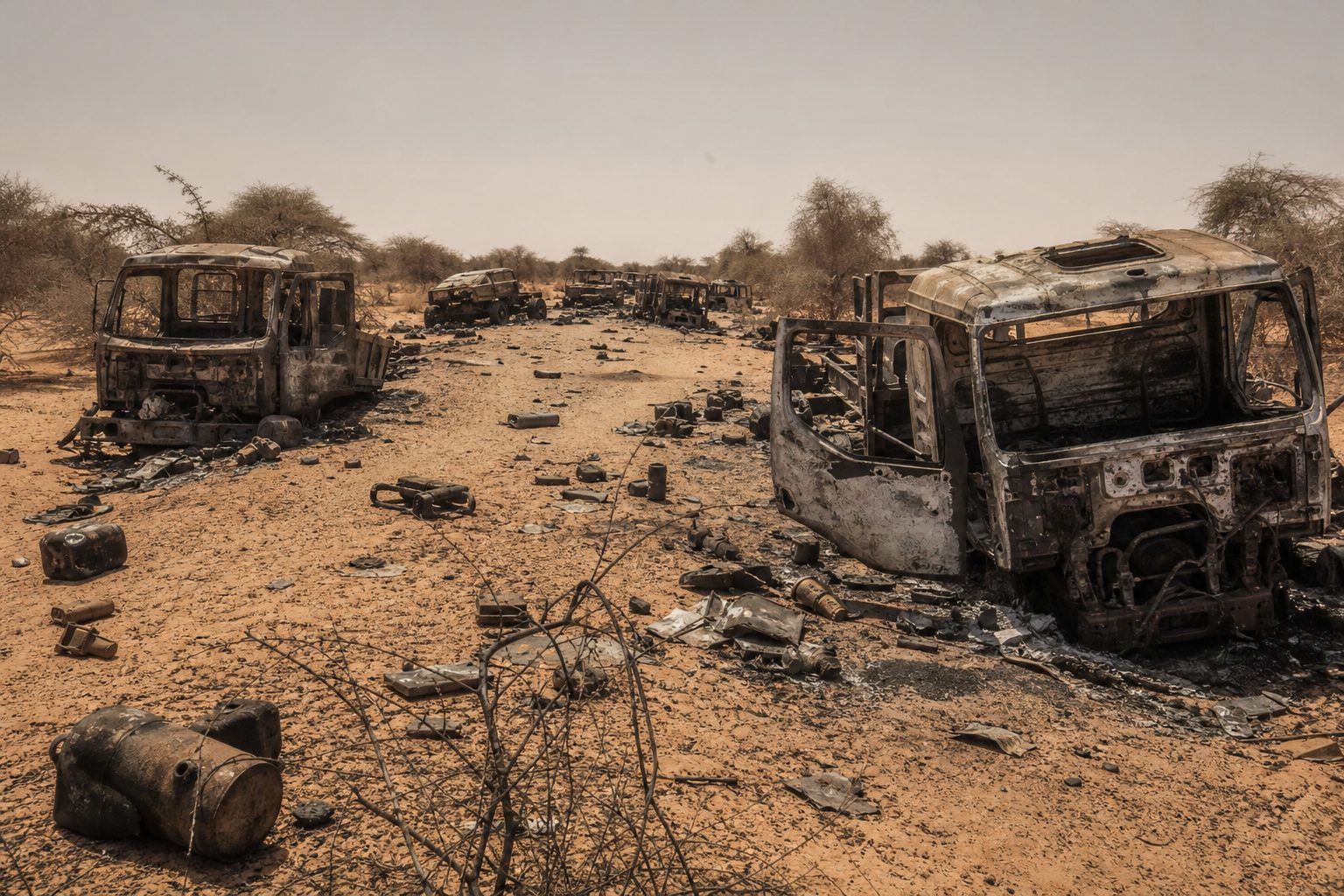
In late July 2024, on the desert road linking Mali's Kidal region to the Algerian border, a Malian army column traveling with Russian mercenaries was ambushed by a combined force of Tuareg separatist fighters and jihadists. Video of the aftermath surfaced within days and was geolocated near the town of Tinzaouaten by international outlets, including the BBC: burning trucks, scattered equipment, dozens of bodies (BBC, 2024; Reuters, July–August 2024). The Tuareg coalition, the CSP-DPA, claimed more than eighty government and Russian fighters killed, fighting alongside its jihadist partner JNIM, the al-Qaeda-linked coalition Jama'at Nusrat al-Islam wal-Muslimin. On the Russian side, the mercenary-linked Telegram channels that had spent two years circulating the war's victory clips mourned losses they did not deny.
Bamako's government issued almost nothing. Moscow said less. What followed the ambush was the reflex that has defined this conflict since 2022: the answer came from the air, in reported strikes on the ambush zone in the days after the ground defeat was complete.
Since 2022, the military governments of Mali, Burkina Faso and Niger have spent scarce money and considerable diplomatic capital on an air-first counterinsurgency: Russian attack jets and helicopters, Turkish-built armed drones, reported Chinese strike platforms and a still unexplained layer of air-defense systems. The governments call the result reconquest. The open evidence, assembled from the Armed Conflict Location and Event Data Project (ACLED), verified strike footage, UN investigations and commercial satellite imagery, describes something else: an air campaign that is real, filmed and intensifying; a civilian death toll that grew alongside it; and jihadist reach that by late 2025 was larger, not smaller, than when the drones arrived.
That verdict is measurable, though not yet precisely measurable. It also carries an honest caveat, because the space for independent observation in the central Sahel has been shrinking since the juntas took power. What follows is an audit of what the unclassified record supports, and where it ends.
Who runs Russia's Sahel war now
The Wagner Group arrived in Mali in the final weeks of 2021, under a contract reported at roughly $10.8 million a month, according to leaked contract documents obtained and reported by international media in 2022. The UN Panel of Experts on Mali documented the deployment the following year: hundreds of personnel, direct participation in hostilities alongside Malian forces, and a steady flow of Russian arms flights into Bamako (UN Panel of Experts on Mali, 2022). The US Treasury designated Wagner a transnational criminal organization in January 2023.
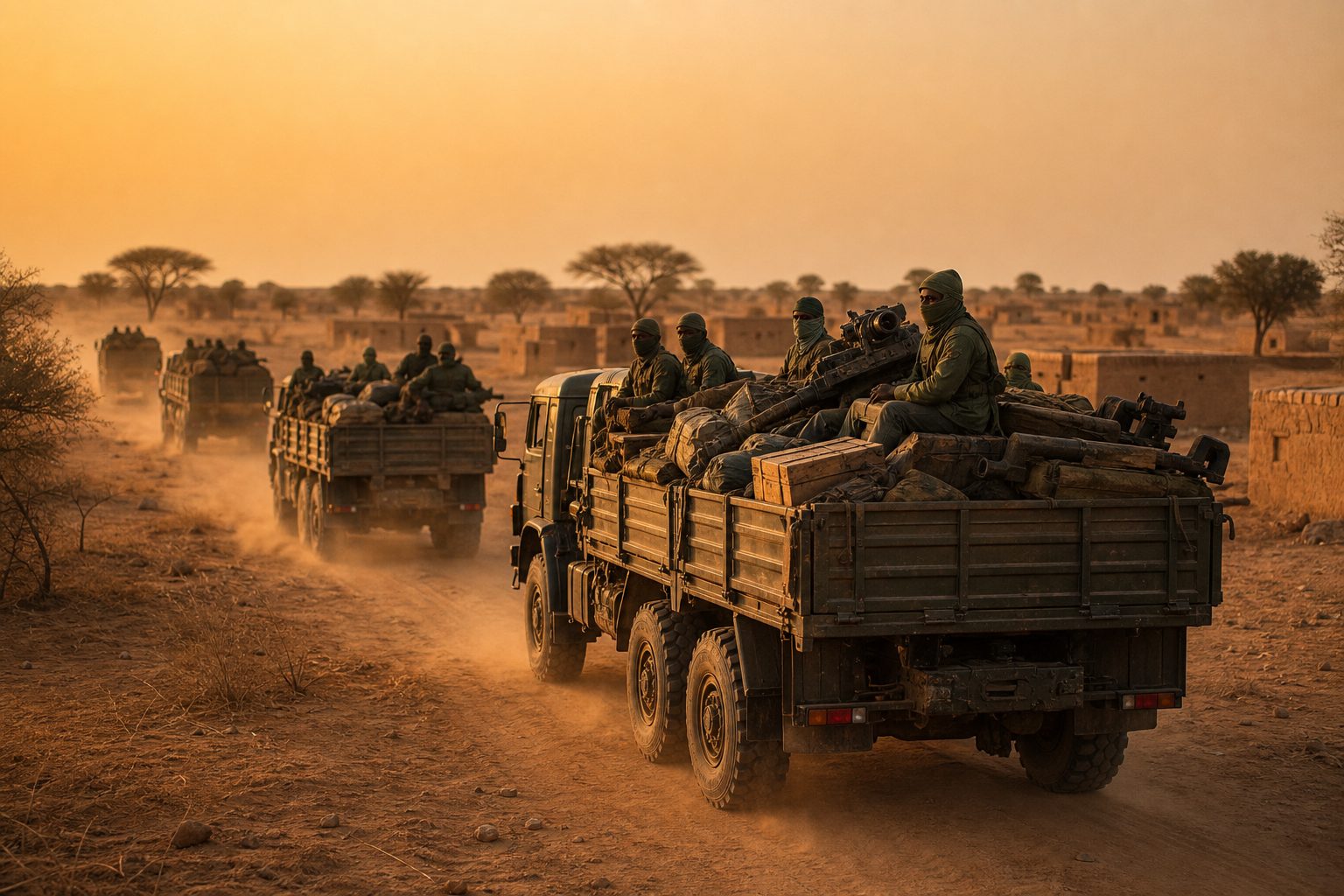
Then came one of the strangest corporate transitions in modern conflict. Wagner's founder, Yevgeny Prigozhin, marched on Moscow in June 2023 and was dead two months later in a plane crash. Within months, the Russian defense ministry had absorbed Wagner's foreign operations into a new structure, the Africa Corps, run through the ministry and acknowledged by Russian state media from late 2023 (TASS and RIA Novosti, 2023–2024). US officials described the new body plainly: the same personnel and the same missions, now administered by the state rather than a contractor. In Mali the continuity was total. In Burkina Faso, where Ibrahim Traoré had seized power in September 2022, a small Africa Corps presence was reported from 2024. In Niger, Russian instructors arrived the same year (Reuters, May 2024).
The transition mattered for the evidence, not just the org chart. Wagner was a leaky organization: its channels published strike videos, its insignia appeared on them, its disputes aired in public. A defense ministry does not leak. The Wagner-era record, from 2022 through mid-2023, is richer than the Africa Corps-era record that replaced it. The war became harder to see at precisely the moment its air component grew, and that asymmetry is itself information.
The arsenal, country by country
None of the three governments publishes an arms inventory or a procurement contract. The record has been assembled from satellite imagery, flight tracking, UN reporting and occasional state-media glimpses. Three supply chains dominate: Russian state arsenals, delivered by military transport aircraft; Turkey's private drone sector, chiefly Baykar; and reported Chinese suppliers whose role remains the least documented of all.
| Country | Strike aircraft | Armed drones | Air-defense systems | State of the record |
|---|---|---|---|---|
| Mali | Russian Su-25 jets and Mi-24/35-type helicopters, tracked via imagery and flight data | Turkish- and Chinese-origin types reported at bases since 2023, never confirmed | Russian deliveries reported since 2023, no verified imagery | Strongest of the three, still full of holes |
| Burkina Faso | No new jet fleet documented | Bayraktar TB2s reported delivered from late 2022, shown in state media | None visible in open sources | Partial, dependent on state releases |
| Niger | American-supplied A-29 Super Tucanos | US armed Reapers until 2024; post-2024 procurement least documented | Russian-installed systems reported from May 2024 | Thinnest, and thinning |
Mali: jets first, drones second
The most firmly documented part of the post-Wagner arsenal is Malian. At least four Su-25 ground-attack jets were ferried from Russia in the second half of 2022, identified through imagery and flight tracking by specialist defense media, with further deliveries reported through 2023 and 2024 (AFP, 2022; Janes, 2022–2023). Attack helicopters followed from Russia in 2023. The UN Panel had already documented the arms flights that began in December 2021 (UN Panel of Experts on Mali, 2022). The main hubs, according to imagery and flight-spotting analyses, are Sénou airport in Bamako, the Sévaré base near Mopti, and the airfield at Gao.
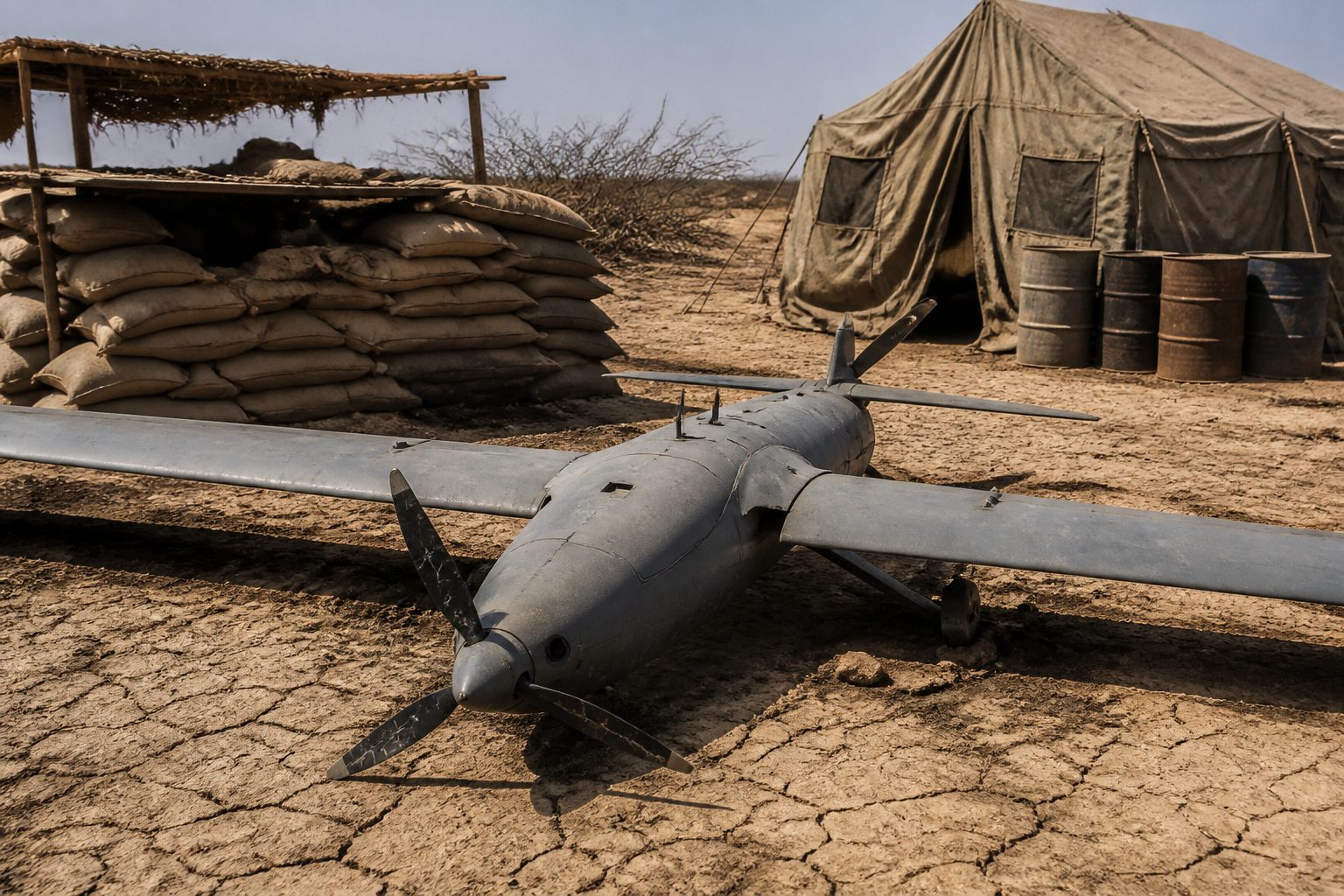
The drone fleet is murkier. Imagery circulating among defense analysts since 2023 has shown armed drones of Turkish and Chinese origin at Malian bases, and strike clips consistent with both types have circulated on pro-Russian channels. The government confirms nothing, and no open source has established who operates the aircraft: Malian crews, Russian contractors, or both.
Burkina Faso: the Turkish connection
Burkina Faso acquired Bayraktar TB2 armed drones from Turkey, with deliveries reported from late 2022 and the fleet subsequently shown in state media; reports of larger Turkish platforms followed later in the period (Le Monde and RFI, 2023). The TB2 has been the workhorse of Burkina's campaign around its besieged towns, and the army has published its own strike footage. An Africa Corps presence was reported from 2024, alongside an expanded program of state-sponsored volunteer militias. No comparable air-defense deployment is visible in the open record.
Niger: the US vacuum and the Russian arrival
Niger spent the period's first half under American air cover: armed Reapers flew from the US-built Air Base 201 near Agadez, while Niger's own air force operated American-supplied A-29 Super Tucano light attack aircraft. After the July 2023 coup, the junta terminated the US agreement in March 2024, and the withdrawal was completed by September 2024 (US Africa Command, September 2024). What replaced the Americans was Russian. In May 2024, Reuters reported Russian military instructors arriving to strengthen Niger's air defenses, and The Washington Post reported Russian personnel operating from Air Base 101 in Niamey while US forces were still present (Reuters, May 2024; The Washington Post, May 2024). Niger's own subsequent drone procurement is the least documented of the three.
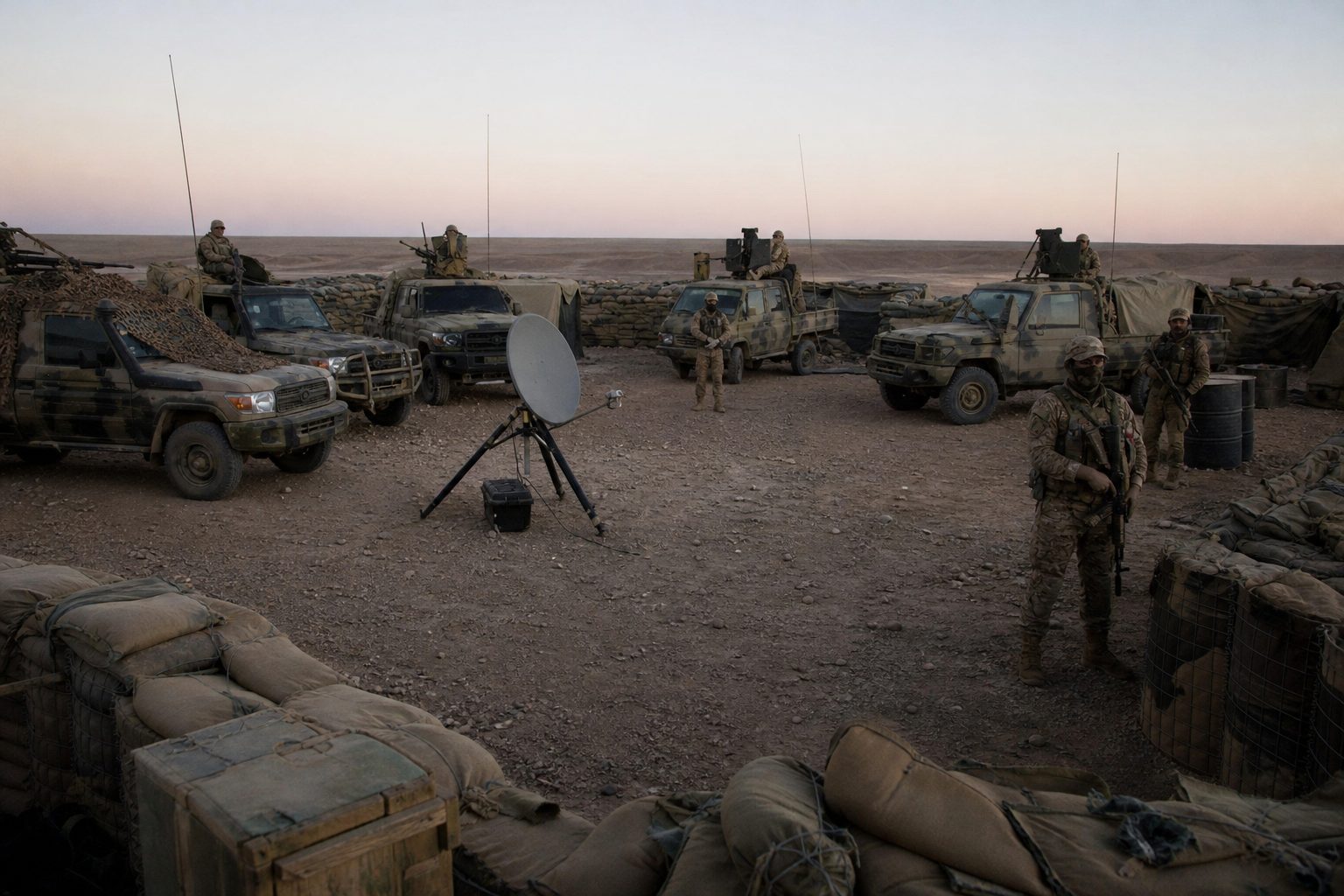
The air-defense layer deserves its own question: against what? The jihadists have no aircraft. The buyers' stated fears point interstate: the 2023–24 ECOWAS standoff over Niger's coup, when the regional bloc brandished an intervention threat, and the collapse of Mali's relations with Algeria in 2025, when Bamako declared Algeria's ambassador persona non grata and Algiers responded by withdrawing its envoy and, by autumn, closing border crossings, according to Algerian statements reported internationally. As of the latest verifiable reporting, none of the Sahel's new air-defense systems has a documented engagement in the open record. They exist to deter governments, not insurgents.
What the strike record shows
The strike record has a distinctive economy. Junta communiqués follow nearly every operation with claims of dozens of "neutralized terrorists." Burkina's army publishes polished TB2 footage of trucks disintegrating on desert tracks. Pro-Russian channels circulated strike clips through the Wagner era, some carrying Wagner's own branding in the first year. The jihadists publish their own videos. What the footage reliably proves is that strikes happen. What it almost never proves is who was on the ground when the missile arrived.
The campaign's logic is understandable, and the logic explains the record. Three armies that cannot hold rural ground can still reach it from the air. Surveillance drones feed strike loops over the Gourma and the Liptako. Strikes hit motorcycle columns, camps, and gatherings that fit a hostile signature. Around besieged towns, armies declare zones in which anyone moving can be treated as a target. In an intelligence-poor war, that is how airpower gets used: not against identified individuals but against patterns. The civilian consequence is arithmetic. More strikes mean more chances the pattern is wrong.
In Mali, the documented record runs from the ground up. In March 2022, five days of operations by Malian forces and armed foreign men at Moura killed at least 500 people, most of them summarily executed, according to the UN human rights office; Bamako called the dead terrorists (UN OHCHR, May 2023). In the first full year of the partnership, ACLED's analysts concluded that the security forces and their Russian partners killed more civilians in Mali than any other armed actor, an inversion not seen earlier in that decade-old war (ACLED, 2023). The air component then grew on schedule. After the UN mission MINUSMA wound down and left on 31 December 2023, Malian forces and Africa Corps deployed into Kidal in November 2023, presenting the north's "return to the fold." Through 2024, as the junta's war with the Tuareg bloc resumed, army communiqués and rebel statements alike described air strikes around Kidal-region towns. After Tinzaouaten in July 2024, strikes reportedly hit the ambush zone. In mid-2024 JNIM declared a blockade of the capital itself, and on 17 September 2024 it attacked the Faladié police academy inside Bamako, using a vehicle bomb, reportedly, to breach the gate and killing dozens of recruits and civilians. Meanwhile, across central Mali, ACLED's explosions-and-remote-violence category, driven by state strikes, climbed steadily. Sahel-focused outlets and human-rights investigators have repeatedly documented strikes on civilian gatherings, water points and funerals in the overflown zones; each case has been denied or ignored by the government.
In Burkina Faso, the TB2 fleet earned its own record. The army's videos show strikes on columns; journalists and aid workers have documented civilians killed on the supply routes around Djibo and other encircled towns, where the army treats movement as hostile (International Crisis Group, 2023–2025). The most lethal single event of the period was not a state strike but its ground-level counterpoint: on 24 August 2024, JNIM killed several hundred civilians conscripted to dig trench defenses at Barsalogho, one of the deadliest jihadist massacres in the country's history (Human Rights Watch, August 2024). In Niger, the record is thinnest. Nigerien air operations in the Liptako in 2022–23 drew allegations of civilian deaths that were never independently investigated, and after the American withdrawal, independent visibility into Tillabéri, where IS Sahel, the former Islamic State in the Greater Sahara, has repeatedly massacred villagers, all but collapsed.
One finding cuts across all three countries. In almost no documented strike can open sources establish who pulled the trigger: a Malian crew, a Burkinabè crew, or a Russian operator working for Africa Corps. Both governments prefer that ambiguity. It shields them from accountability for any single death, and it shields Moscow from owning the war's errors.
Where this story sits
5 related pieces
Read it →
Hover a story · click to read
 No. 52 · Sep 21, 2026The Sahel Juntas' Post-Wagner Arsenal: Drones, Air Defenses and What They Changed
 No. 63 · Oct 7, 2026After the Indictment: Three Years of Named Cyber Attributions, Measured
 No. 31 · Sep 3, 2026The Case for Roe v. Wade: What Fifty Years of Evidence Says About Women's Lives
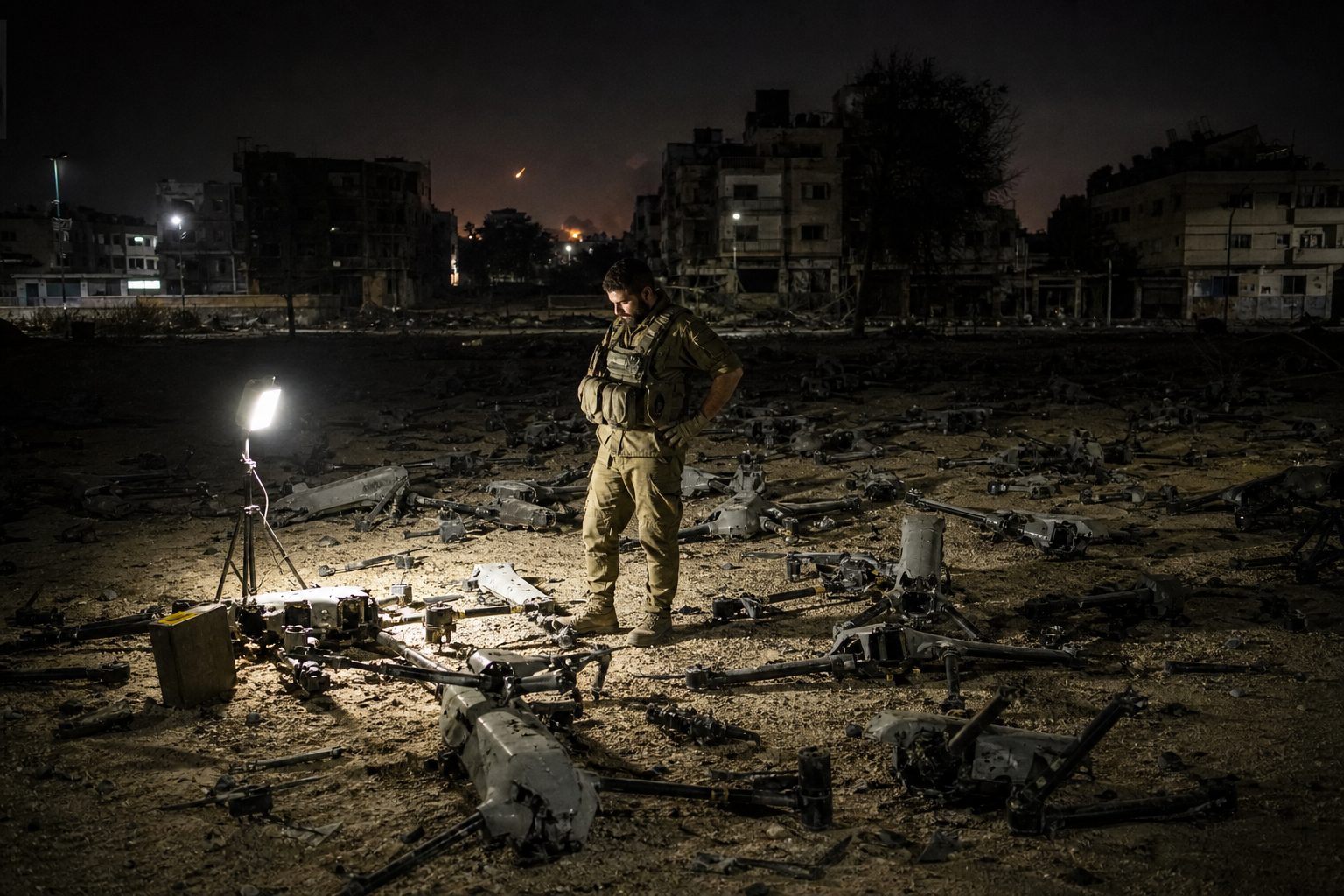 No. 18 · Aug 28, 2026How drones, Starlink and covert flights through Chad and Libya are redrawing Sudan's war
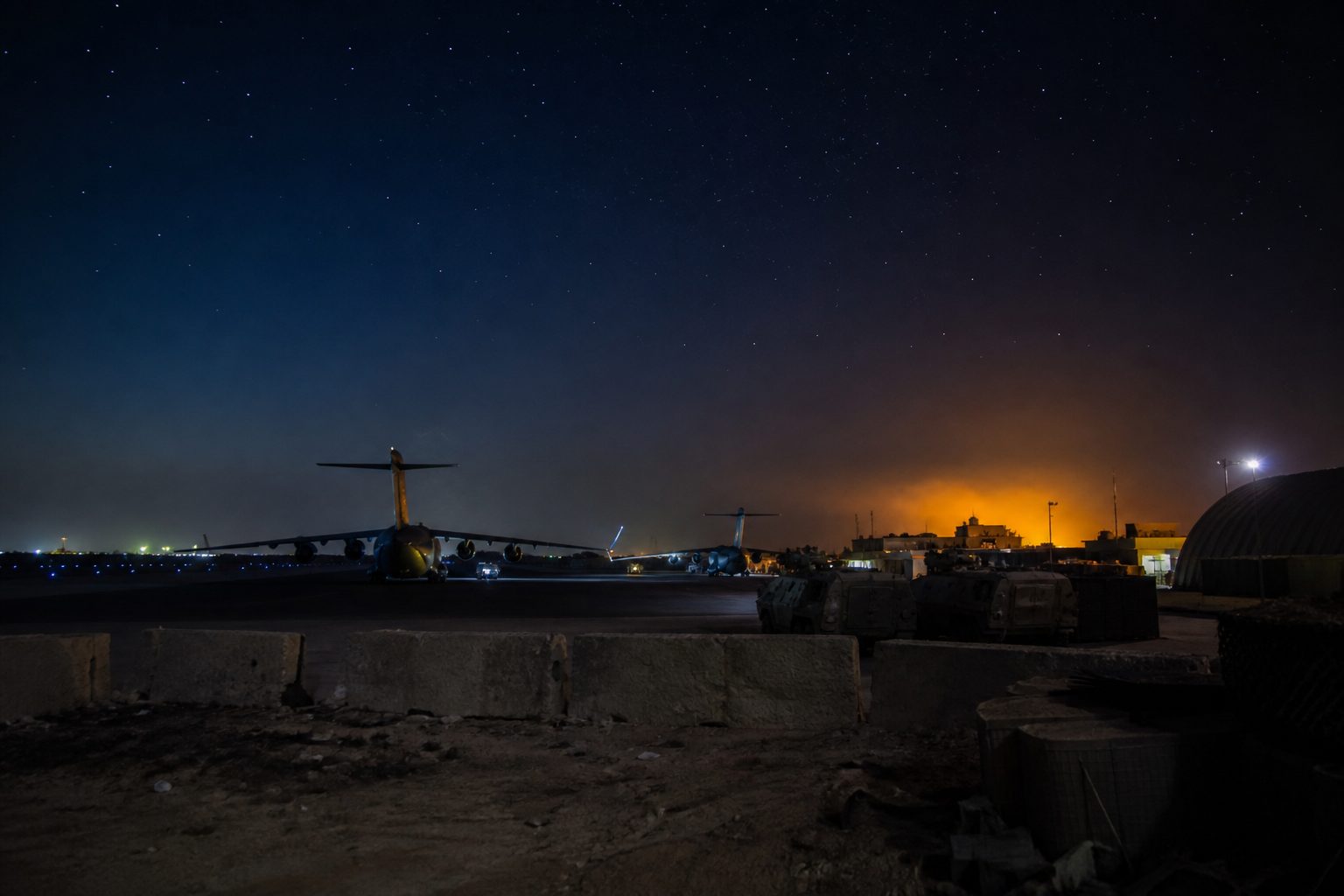 No. 21 · Aug 30, 2026The air base decides: Niger's 24-hour mutiny and the technology of regime survival in the Sahel
The numbers that contradict the victory narrative
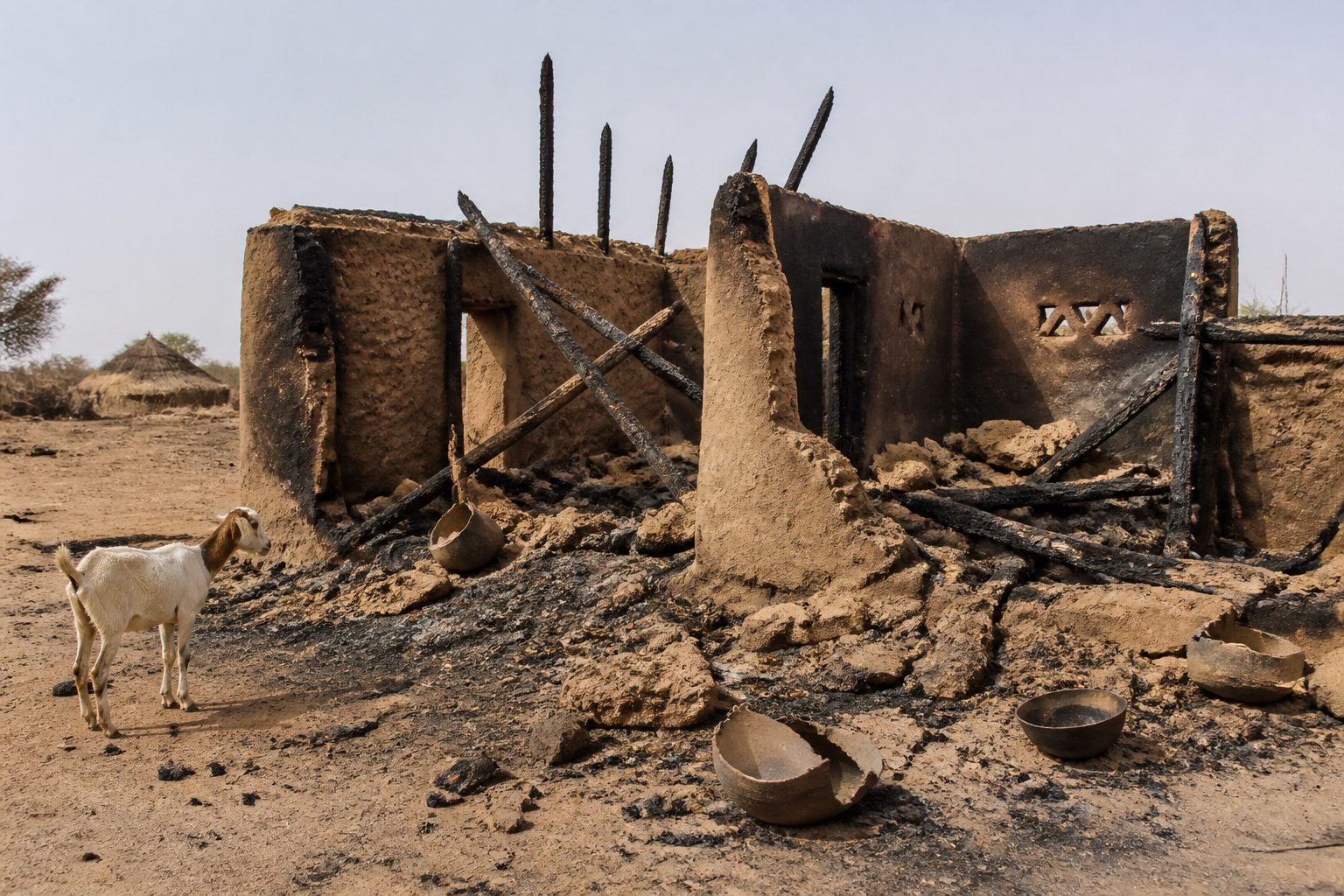
The claims are easy to collect. Army communiqués announce neutralized terrorists after each operation. The Kidal deployment is presented as the north's recovery. Traoré has pledged full reconquest, and Russian state media frame Africa Corps deployments as decisive counter-terrorism.
The coded data run the other way. ACLED recorded record levels of political violence in Burkina Faso in 2023 and again in 2024, making it one of the deadliest conflicts on earth (ACLED, Conflict Watchlist 2024 and 2025). Mali's coded violence rose too, driven by state strikes, the new northern war, and jihadist expansion. The 2025 Global Terrorism Index counted Burkina Faso as the single most terrorism-affected country in the world, JNIM as the deadliest such group, and the Sahel as the source of more than half of global terrorism deaths (Institute for Economics and Peace, 2025). The territorial signals converge with the fatality counts: Timbuktu blockaded from August 2023; Djibo strangled since 2022; Bamako itself declared blockaded in mid-2024; JNIM attacks creeping into the western Kayes region, which had seen almost none since the insurgency began; and an assault inside the capital in September 2024. More than three million people were displaced across the three countries, the largest share inside Burkina Faso (UNHCR, 2024). Crisis Group's field reporting has described a state writ largely confined to towns, with the countryside governed by whichever armed actor arrives.
The methodology deserves honesty, because the official rebuttal depends on blurring it. ACLED codes reported events; it does not map sovereignty, and in a region where reporting is suppressed its numbers are floors, not ceilings, a caveat the project itself makes. No open dataset can state what percentage of territory the jihadists "control," and figures circulating in media come from governments or advocates, not systematic measurement. But the independent measures that do exist, event geography, sieges, blockades, displacement and terrorism deaths, all point the same direction. Genuine gains should also be counted: state forces are back in Kidal, some supply convoys have fought through to encircled towns, and Burkina's government cites declining displacement tallies. None of those gains yet appears in the trend data as a reversal.
On the strongest available open-source measures, the area in which jihadist armed groups could operate freely grew between 2022 and late 2025. The governments' own metrics of victory, strike tallies and cleared-zone announcements, measure activity rather than control. That is the contradiction at the center of the drone war.
How the insurgents adapted
The adaptation was cheap, and it was designed for an airborne enemy. Fighters move by motorbike, at night, in small groups, through wadis and among civilians. Embedding among the population raises the cost of any strike to civilians, which the insurgents treat as acceptable and occasionally useful.
The siege is the signature airpower-proof tactic. There is no need to storm a garrison under drone cover when you can starve it from among the population, which the strike footage cannot separate from fighters. Timbuktu and Djibo are the template, and the strategy scales: what Tinzaouaten demonstrated on a convoy, the blockade applies to a capital's roads.
Atrocity economics works in the insurgents' favor. Moura and the killings that followed it are documented by the UN and human-rights groups, and they feed a recruitment narrative that Crisis Group has traced for years: each state or mercenary killing delivers JNIM its best argument. The air answer converts rural fear into insurgent advantage, because villagers align with whichever armed actor seems less likely to kill them this month.
Innovation has accelerated. The Faladié assault reportedly used a vehicle bomb to breach the academy. In 2025, claims by northern armed movements and circulating videos indicated that JNIM had begun fielding attack drones of its own, including first-person-view types, against fixed positions. If those reports hold, the logic of the post-Wagner arsenal is returning to its sender. IS Sahel, meanwhile, has pursued a different adaptation: mass killing of civilians in Tillabéri and the tri-border as a deliberate instrument of terror and governance.
What satellite imagery can and cannot prove
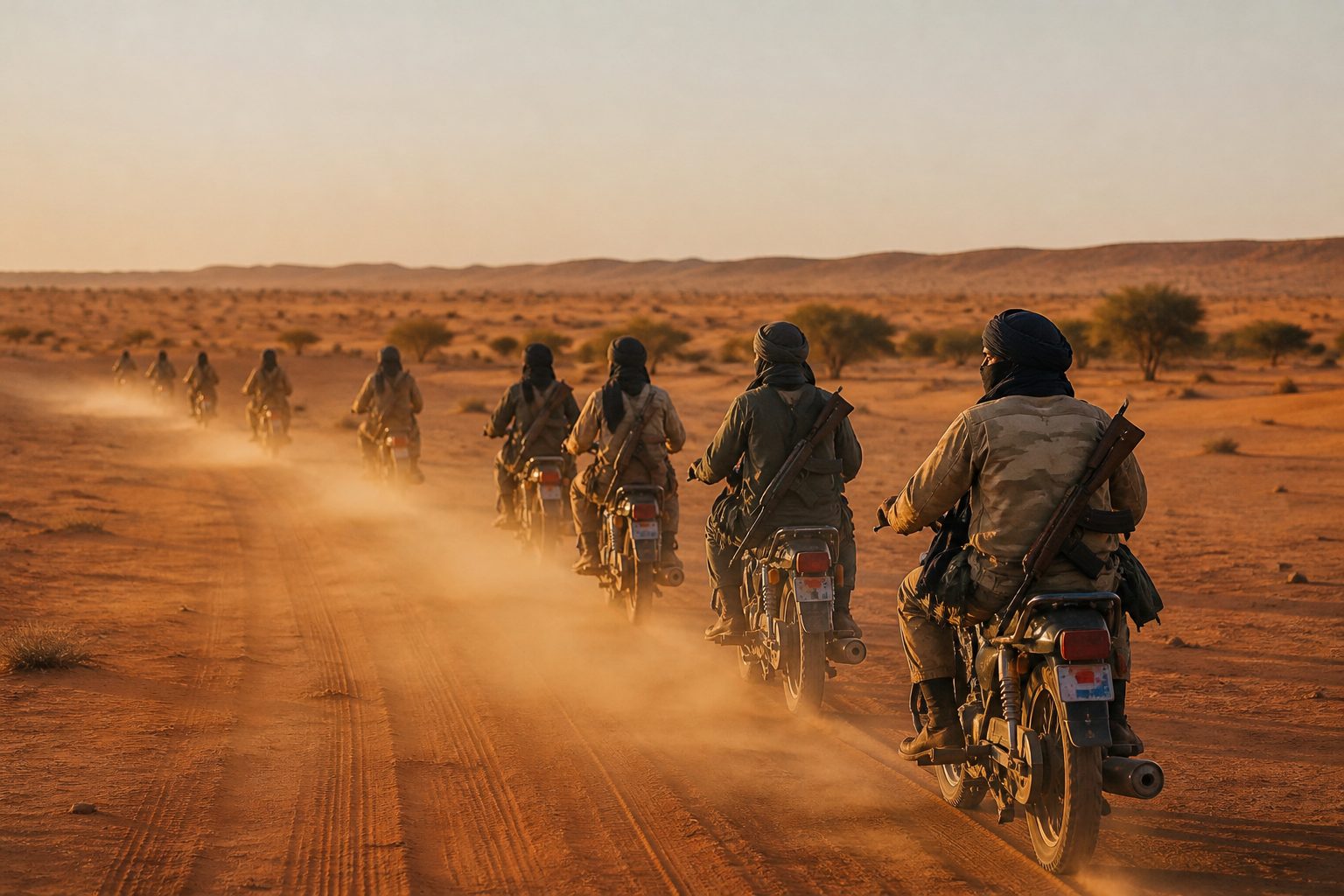
Commercial imagery has done real work in this record. It confirmed the Su-25s at Sénou and the helicopters that followed. It shows expanding aprons, shelters and hardstands at Sénou, Sévaré and Gao. It documented the handover of MINUSMA's Kidal camp to the junta and Africa Corps in November 2023. Imagery combined with video geolocation fixed the Tinzaouaten ambush site, and it has occasionally corroborated burned villages after attacks in Burkina Faso. The UN Panel of Experts used imagery to track deployments before its mandate ended.
The ceiling is equally clear. Imagery can show presence; it cannot show conduct. It cannot count the dead, distinguish fighters from mourners, or attribute a strike to a flag. It cannot see night movement at all, and commercial constellations pass over the Sahel in daylight, on rhythms the insurgents have learned as well as the analysts. For a war whose violence is small, mobile and transient, the satellite record is powerful for infrastructure and silent for almost everything else.
The blind spots in the evidence
The evidence base has narrowed on schedule with the arsenals. Both Mali and Burkina Faso suspended RFI broadcasts during 2022. In early 2025, after Human Rights Watch reported that Burkinabè soldiers had killed around 200 villagers, most of them Fulani, at Nondin and Sitti, Burkina's government denied the finding and suspended the BBC and VOA for carrying it (Human Rights Watch, early 2025). Burkinabè journalists, including Serge Oulon and Guy Hervé Kam, have been detained or abducted during the period, according to the Committee to Protect Journalists and Reporters Without Borders. MINUSMA is gone, and the Security Council let the Mali expert panel's mandate lapse in 2024 as the peace accord it monitored collapsed.
Both sides keep the rest dark. Army casualty figures are never audited. Moscow does not acknowledge Africa Corps losses, though the channels that buried them do. Strike tallies cannot be verified, and neither can jihadist claims. The result is an evidentiary floor that is honest about being a floor.
Two sentences hold together the whole record. It is strong enough to reject the official narrative of reconquest. It is not strong enough to write a definitive operational history of the air campaign. Anyone reading the Sahel's strike clips should hold on to both.
Where the drone war leaves the Sahel
The drone war has not substituted airpower for ground control. It has substituted airpower for the appearance of ground control, and the substitution has costs that show up in every dataset: sieges, displacement, terrorism deaths, a capital under declared blockade. The air-defense layer, untested against anything, points at a fear the communiqués never name: interstate war, with Algeria across the border or with the ECOWAS states the three juntas left in January 2025. The jihadists are reportedly entering the drone business themselves, which converts a government monopoly into an arms race the states did not budget for. The Alliance of Sahel States joint force, agreed in 2024 and reported to be deploying through 2025, doubles the same bet: more force, less politics.
In late July 2024 a column died on a desert road with Russian mercenaries among its dead, and the war's answer was the same answer it has given since 2022: strike footage, claims of neutralized terrorists, and a coded record that keeps moving the other way. The unclassified record does not yet say how this war ends. It says, with increasing clarity, how it is not being won.
Sources
- ACLED (Armed Conflict Location and Event Data Project). Conflict Watchlist 2024. December 2023.
- ACLED (Armed Conflict Location and Event Data Project). Conflict Watchlist 2025. December 2024.
- ACLED. Analyses of Wagner Group operations and civilian fatalities in Mali, 2022–2023.
- Agence France-Presse. Reporting on Russian Su-25 deliveries to Mali, 2022, and on the Faladié police academy attack in Bamako, September 2024.
- BBC News. Verification reporting on ambush footage from Tinzaouaten, Mali, July–August 2024.
- Committee to Protect Journalists and Reporters Without Borders. Statements on detained and missing journalists in Burkina Faso, 2024–2025.
- ECOWAS Commission. Statements on sanctions and the withdrawal of Mali, Burkina Faso and Niger, 2023–2024.
- Human Rights Watch. Reporting on the Moura massacre in Mali, 2022–2023; on the Barsalogho massacre in Burkina Faso, August–September 2024; on killings at Nondin and Sitti, Burkina Faso, early 2025.
- Institute for Economics and Peace. Global Terrorism Index 2025. Sydney, March 2025.
- International Crisis Group. Sahel briefing papers on Mali, Burkina Faso, jihadist expansion and besieged towns, 2022–2025.
- Janes. Reporting on the delivery of Russian combat aircraft and attack helicopters to Mali, 2022–2023.
- Le Monde and RFI. Reporting on Burkina Faso's acquisition of Bayraktar TB2 drones, 2023, and on the suspension of RFI broadcasts in Mali and Burkina Faso, 2022.
- Reuters. Reporting on the Tinzaouaten ambush and Mali's severing of relations with Ukraine, July–August 2024; on Russian military instructors in Niger, May 2024; on Mali's revocation of the Algiers accord, January 2025; on the Algeria–Mali diplomatic rupture, June 2025.
- Russian state media (TASS and RIA Novosti). Reporting on the formation and deployments of the Africa Corps, 2023–2024.
- The Washington Post. Reporting on Mali's contract with the Wagner Group, 2022, and on Russian military personnel at Air Base 101, Niamey, Niger, May 2024.
- UN High Commissioner for Refugees. Operational displacement data for the central Sahel, 2023–2024.
- UN Office of the High Commissioner for Human Rights. Report of the independent investigation into the events at Moura, Mali, May 2023.
- UN Security Council. Resolution ending the MINUSMA mandate, June 2023.
- UN Security Council Panel of Experts on Mali. Reports to the Security Council on Wagner deployments and arms transfers to Mali, 2022–2024.
- US Africa Command and US Department of Defense. Statements on the completion of the US withdrawal from Niger, September 2024.
- US Department of the Treasury. Designation of the Wagner Group as a transnational criminal organization, January 2023.
Comments (7)
Continue exploring
The Case for Roe v. Wade: What Fifty Years of Evidence Says About Women's Lives
An evidence-first argument that Roe v. Wade delivered measurable health gains, told honestly: what the national data after Dobbs…
How drones, Starlink and covert flights through Chad and Libya are redrawing Sudan's war
What began as a power struggle in Khartoum is now a drone war supplied through Chad and Libya, connected by smuggled satellite…
The air base decides: Niger's 24-hour mutiny and the technology of regime survival in the Sahel
When mutinous soldiers attacked Niamey's Air Base 101 in August 2026, Russia's Africa Corps, not Niger's own army, settled the…
Has anyone actually confirmed the Chinese strike platforms at Sénou or Gao, or is that still entirely inferred from flight-tracking and supply-chain rumors?
For a smaller player like Guinea-Bissau or even Chad without Russian backing, would the Turkish TB2 route alone realistically sustain this kind of air-first campaign?
Leaning on the strike footage as primary evidence makes me uneasy given how much less Africa Corps channels release compared to Wagner's old feeds, especially for the post-2023 period.
I was near Mopti in mid-2023 and the Sévaré flight traffic was obvious enough that anyone with a phone could log it. The piece's claim that the air campaign only intensified lines up with what was visible on the ground there.
The framing of CSP-DPA and JNIM as clean partners at Tinzaouaten glosses over how patchy their cooperation has been elsewhere, since they tend to fall out pretty fast once the immediate fight ends.
Calling jihadist reach larger by late 2025 is a strong conclusion to draw when ACLED itself has flagged deteriorating coverage across the central Sahel. What is the underlying data set actually doing the work for that verdict?
The Wagner-to-Africa Corps handover reads a lot like how the Russian MoD absorbed private operations in Syria after 2018. Same personnel shuffle, same loss of on-the-record leaks, and probably the same operational logic as the Su-25 deployments over Idlib before that.