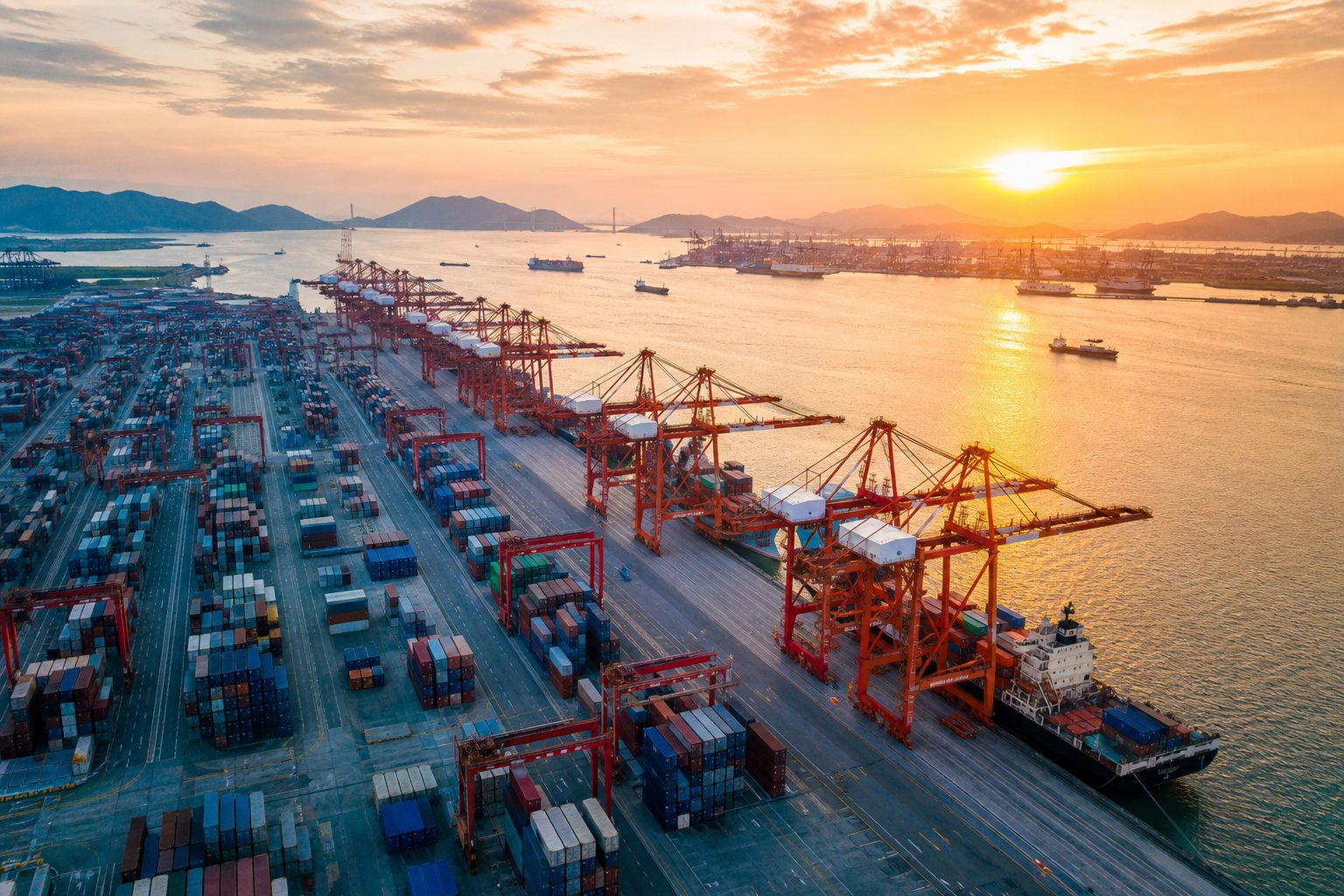
Throughout 2025, Chinese exporters of unwrought gallium sent almost none of it abroad, while prices in Europe ran 365 percent higher. Exports of wrought germanium fell by 60 percent as prices rose 400 percent. Antimony shipments dropped close to zero, with prices up 437 percent. Those figures come from a market analysis by the Swedish Institute of International Affairs, which concluded that a first wave of Chinese mineral export controls in 2023 and 2024, and a second wave in 2025 that reached rare earths, had moved from signaling into genuine supply constriction.
The materials at stake feed radar systems, satellites, electric vehicle motors, and missile guidance. But minerals are only the most visible layer of a broader pattern. The U.S.-China Economic and Security Review Commission's 2025 annual report documents concentrated Chinese positions in active pharmaceutical ingredients, printed circuit boards, and the mature-node semiconductors that run cars, appliances, power grids, and weapons. Beijing has now demonstrated, multiple times, a willingness to convert those positions into coercive leverage.
Washington, Brussels, and allied capitals have answered with four broad responses: subsidizing domestic production, shifting sourcing to allies, building strategic stockpiles, and redesigning products around substitute materials. This article audits each approach across the four chokepoint sectors: what it costs, how long it realistically takes, where it fails, and, given that policy budgets are finite, which interventions should come first.
Where Chinese leverage actually lives
The common mental model of this problem is geographic: China mines a lot, so China has leverage. That model is wrong in a way that matters for policy, because the binding constraint usually sits one or two steps downstream of the mine.
Extraction is partly diversified. Australia mines lithium and rare earths, Chile mines copper, Congo mines cobalt. What is not diversified is the refining, separation, and fabrication that turn raw material into usable input. The International Energy Agency's 2024 critical minerals outlook puts China's share of processing capacity at roughly 90 percent for rare earths, around three-quarters for cobalt, about two-thirds for lithium, and near-total dominance of the graphite processing that feeds battery anodes. A Congolese cobalt mine does not free anyone from Chinese leverage if the concentrate still ships to a Chinese refinery.
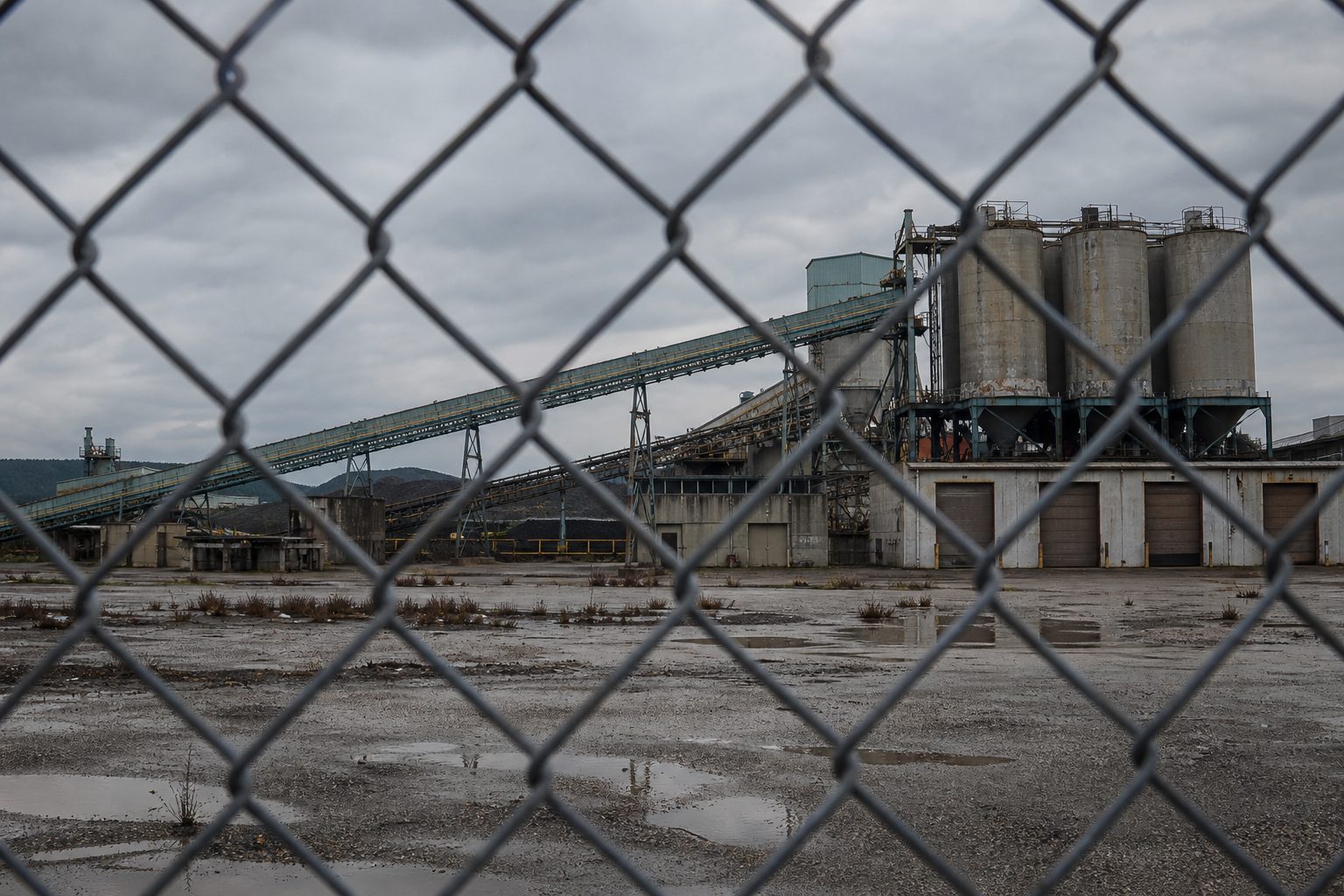
The pharmaceutical version of the same structure is documented in a June 2026 Council on Foreign Relations report, "The Pharma Choke Point." Its authors found that China controls the raw or key starting materials behind 94 percent of amoxicillin, 74 percent of heparin, and 70 percent of acetaminophen in the supply chains feeding the U.S. market. Key starting materials, or KSMs, are the precursor compounds that feed multiple drug-production chains; active pharmaceutical ingredients, or APIs, are the compounds that produce a drug's effect; finished dosage forms are the pills and vials that reach patients. A chokepoint at the KSM stage makes downstream diversification "illusory," the CFR authors write, because every API plant and pill press in the world still draws on the same Chinese feedstock. The U.S.-China Commission estimates that potentially as much as a quarter of all APIs reach the U.S. from China directly or indirectly through India, and India itself depends on Chinese KSMs.
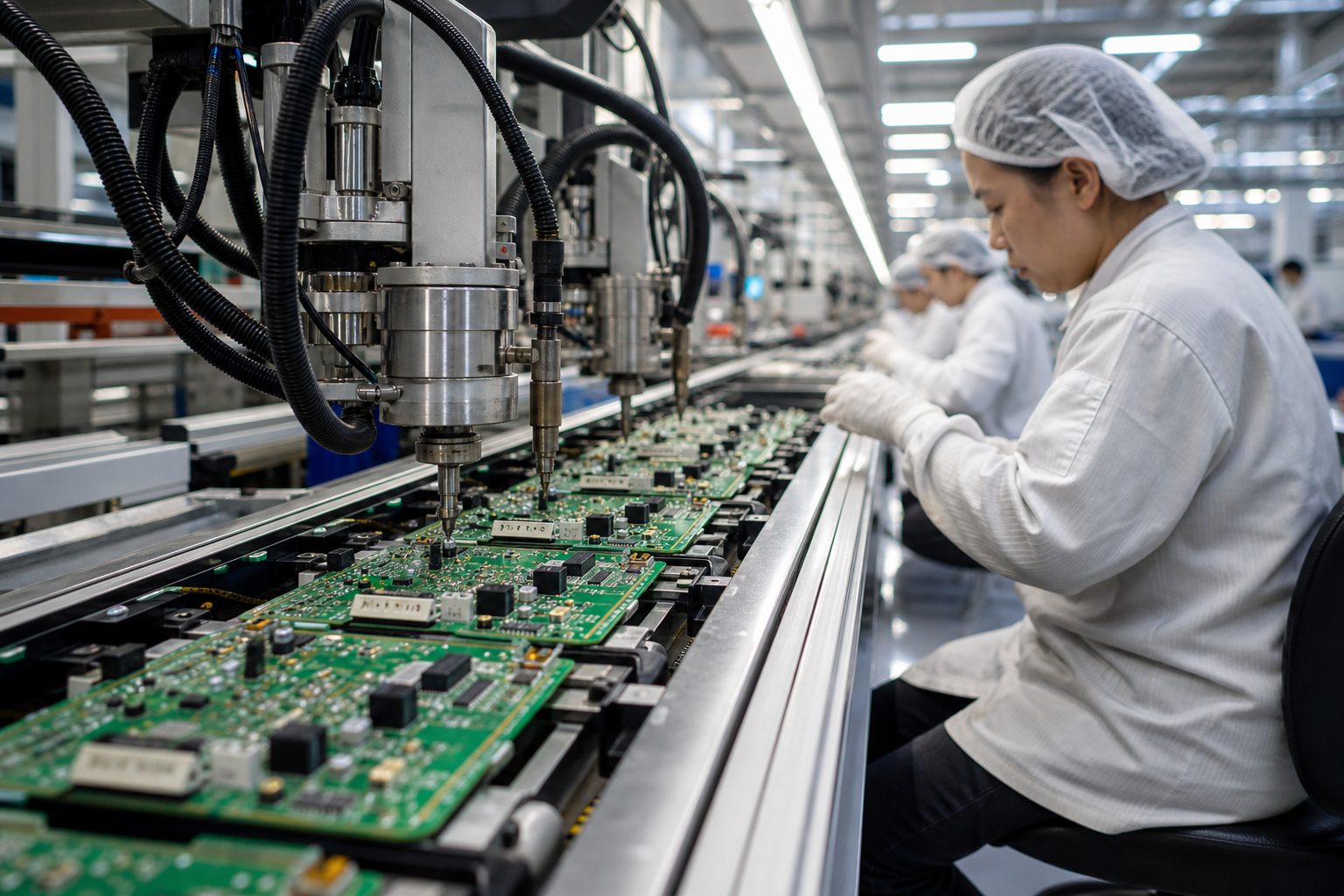
The pattern repeats in electronics. China controls roughly half of global production of printed circuit boards, the laminated substrates on which chips are mounted, and the United States has lost much of its domestic PCB capacity and become heavily reliant on Chinese imports. In semiconductors, the exposure is forward-looking: the commission warns that China's expansion of mature-node capacity, sometimes called foundational or legacy chips, threatens to flood global markets and drive competitors out of business, recreating the rare earth playbook in silicon. SEMI's World Semiconductor Equipment Market Statistics put Chinese purchases of chipmaking equipment at roughly $49 billion of about $117 billion in global sales for 2024, by far the largest regional buildout.
The U.S. Geological Survey's Mineral Commodity Summaries supply the baseline dependency picture: the United States is wholly import-reliant for about a dozen of the 50 designated critical minerals and majority-reliant on imports for well over a dozen more, with China the leading supplier in case after case.
How hard has Beijing squeezed so far?
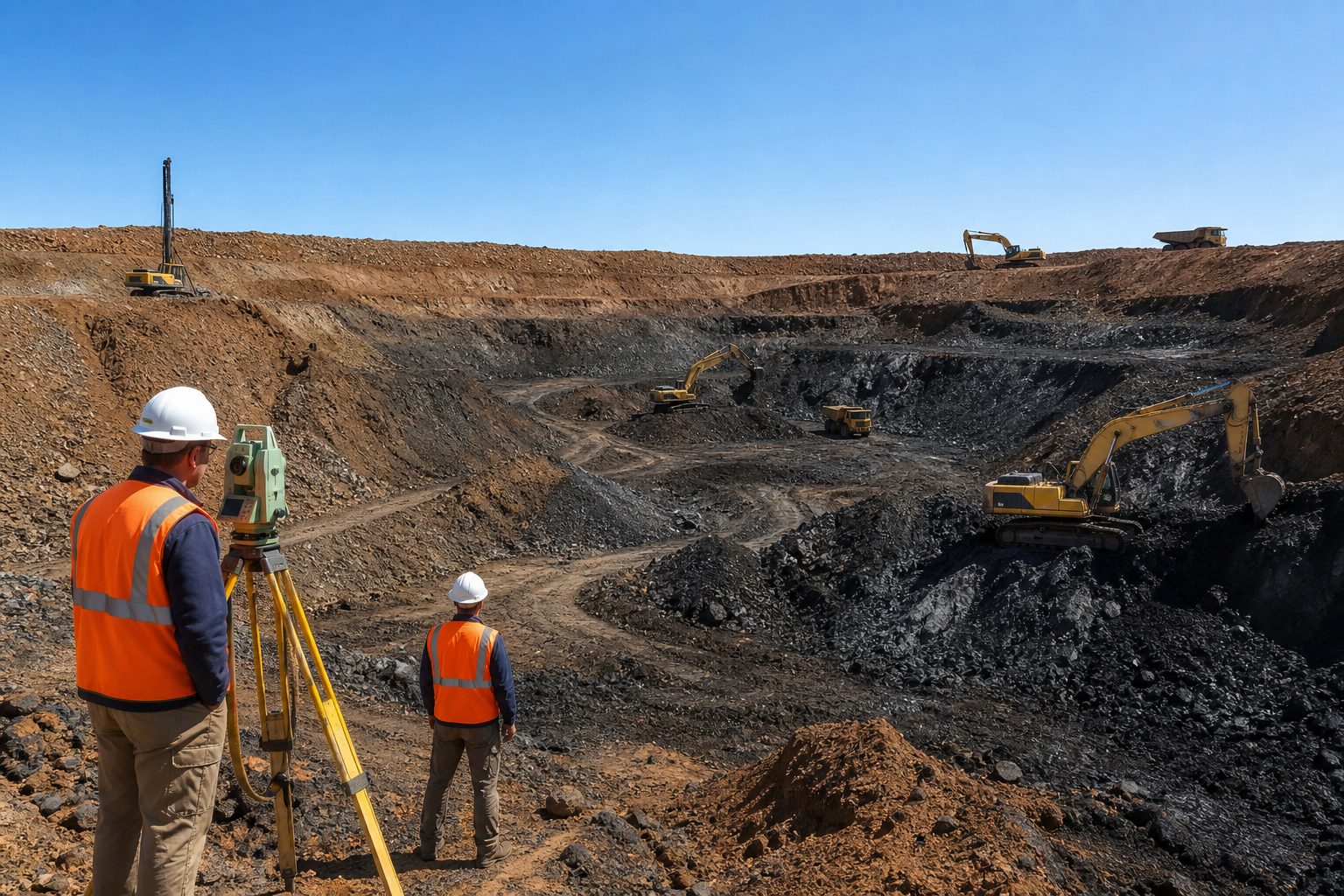
The weaponization record is now long enough to read as a playbook, and its rungs matter because they show how costs escalate.
The first documented use was the 2010 suspension of rare earth exports to Japan during a territorial dispute, the episode the U.S.-China Commission's supply chain chapter uses to open its account of Beijing's coercion toolkit. The second rung came in 2023, when China announced export licensing requirements for gallium and germanium in July, days after the Netherlands restricted sales of advanced chipmaking equipment to China, and for selected graphite products in October, shortly after the European Union opened an anti-subsidy probe into Chinese electric vehicles. That timing is documented in an Asian Development Bank background paper using transaction-level shipping data.
Licensing is not a ban, and the measured impact of that 2023 move initially looked modest. Analyzing U.S. customs data through August 2024, Cullen Hendrix of the Peterson Institute for International Economics found that China's share of U.S. graphite imports barely moved, 65.6 percent after controls versus 67.7 percent before, and germanium import shares restabilized near 22 percent. Only gallium arsenide wafers went to zero, and China had supplied under 5 percent of those before controls. Hendrix's conclusion was that the first controls were "closer to a jab than a haymaker," and that the compliance paperwork itself yields China valuable intelligence on end users and end uses of strategic materials.
The ADB data reveal what that stability concealed. Beneath steady aggregate flows, the number of firms actively trading gallium and germanium fell, the graphite import market became more concentrated among fewer suppliers, and U.S. importers shifted orders toward European suppliers. Aggregate stability, firm-level churn: the system kept working, but with thinner redundancy and more paperwork gatekeeping by Beijing.
The rungs after 2024 were steeper. Beijing formally banned dual-use exports of gallium, germanium, and antimony to the United States and expanded the regime to rare earth magnets in the 2023 to 2025 period, as the commission's report chronicles. The 2025 rare earth wave temporarily cut magnet exports, the most publicly visible disruption yet, and the Swedish institute found that by 2025 some importers, notably in the U.S. and the Netherlands, had faced de facto complete cutoffs even ahead of formal bans.
Two lessons follow. First, the escalation ladder runs both directions, which means a later truce can ease pressure without dismantling the machinery. Second, the leverage's value to Beijing is partly the option itself: flows continue until they don't, and the uncertainty does its own work.
What would homegrown production cost?
Domestic incentives are the most expensive tool and the slowest to pay off, which is precisely why their design details matter.
The benchmark is the CHIPS and Science Act, enacted in August 2022, which committed $52.7 billion to semiconductor incentives and research. That bought meaningful movement: the largest awards, channeled through the Commerce Department's CHIPS program, went to leading-edge fabs from TSMC, Samsung, Intel, and Micron, while mature-node funding such as the $1.5 billion award to GlobalFoundries was the exception rather than the focus. Even so, fabs take roughly three to five years from construction decision to high-volume output, and the first CHIPS-era production lines only reached that point years after the money was committed.
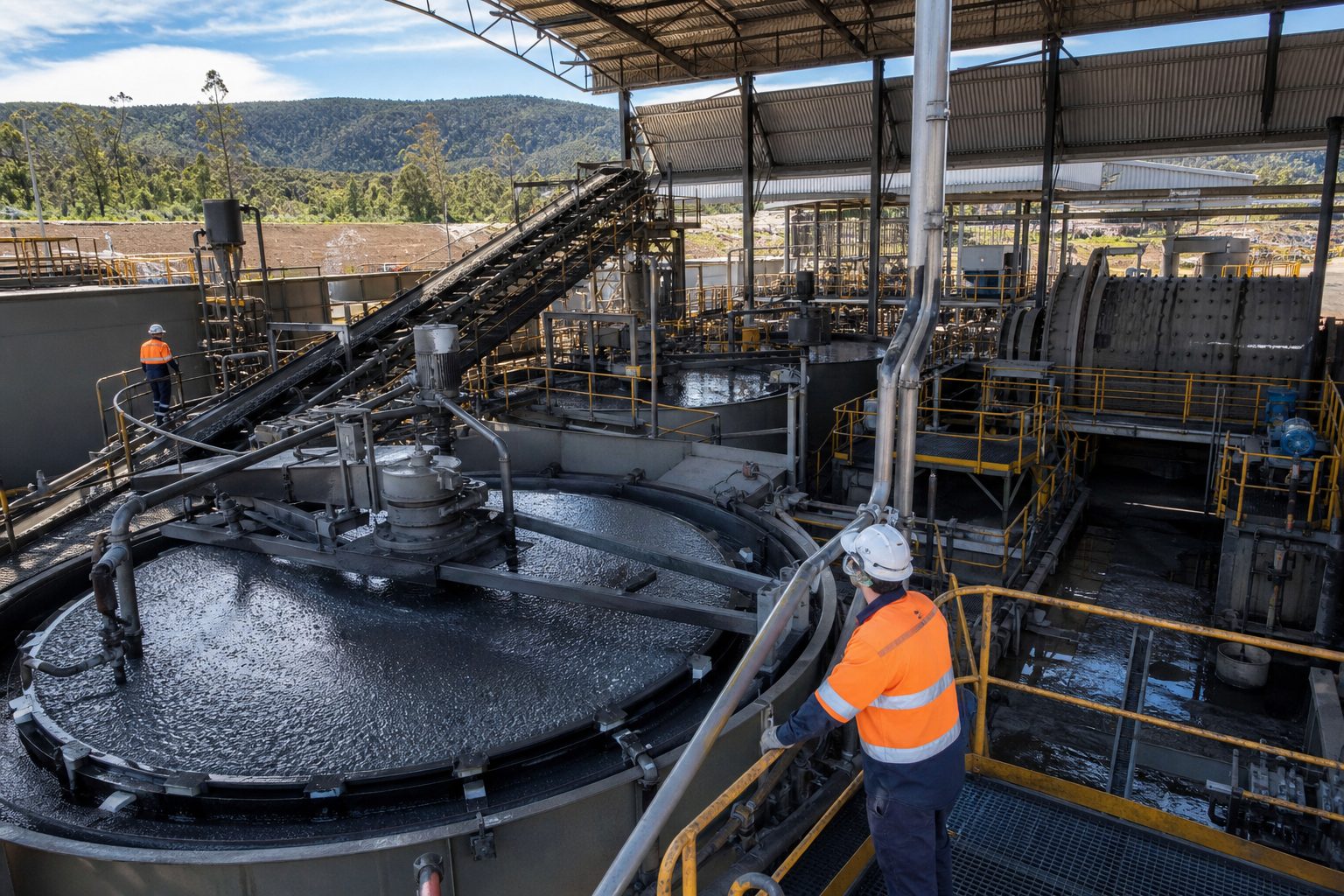
Mines and refineries run on a longer clock. The IEA estimates that mineral projects reaching production in the 2010s took more than 16 years on average from discovery to first output. Money can compress permitting and construction, but not into a congressional term. The Pentagon's Defense Production Act Title III awards to rare earth processors and magnet makers illustrate the realistic ambition: defense officials have publicly aimed for a complete domestic mine-to-magnet supply chain by 2027, a seven-year build at emergency-priority funding for a supply chain involving a handful of facilities.
Pharmaceuticals face a different economics problem. China's dominance in KSMs and generic APIs rests on decades of state investment, as the CFR report documents, and on structurally lower costs. The report's authors argue that making domestic or allied production viable requires demand-side intervention alongside subsidies: long-term purchase commitments, strategic reserves, and enforcement against the transshipment and repackaging that let Chinese material re-enter under other flags — maneuvers that, in their words, "thwart" federal Buy America initiatives. Building fermentation tanks and chemical lines and running them through FDA validation runs on a multi-year timeline even with financing in hand.
Durability is the other cost variable. The Inflation Reduction Act offered, among other things, a 10 percent production tax credit for domestic critical mineral processing. Yet the 2025 budget law terminated the law's consumer clean-vehicle credit at the end of September 2025, a reminder that any incentive framework is one election away from revision. Companies sizing decade-long refinery investments price that risk in, which is why demand guarantees tend to mobilize capital more reliably than tax credits alone.
And looming over every domestic buildout is the overcapacity trap. The U.S.-China Commission warns of a "second China shock," in which state-supported Chinese overcapacity spills into global markets and undercuts the very competitors Western subsidies are midwifing. The Swedish institute notes that China's export regime already keeps prices lower at home and higher abroad. A Western refinery financed at 2025 scarcity prices can be rendered uneconomic by a deliberate 2028 price collapse. De-risking capital, in other words, has to be defended, not just deployed.
Can allies carry enough of the load?
The strongest evidence that diversification works comes from the country hit first. After the 2010 embargo, Japan spent a decade financing alternatives: equity and loans for Australian producer Lynas, government-backed recycling research, and quiet stockpile building. By the end of the decade, China's share of Japan's rare earth imports had fallen from around 90 percent to roughly 60 percent. That is a real achievement and a sobering ceiling. A decade of determined effort by the most motivated government in the world moved the number to 60 percent, not to zero.
Europe has now written its own targets into law. The EU Critical Raw Materials Act, in force since May 2024, sets 2030 benchmarks: at least 10 percent of EU consumption extracted domestically, 40 percent processed domestically, 25 percent met through recycling, and no more than 65 percent of any strategic material sourced from a single third country. It also imposes permitting deadlines on designated strategic projects, 27 months for extraction and 15 for processing and recycling. Those are serious process reforms. What the regulation does not provide is CHIPS-scale EU money; the capital must come from member states and private balance sheets, and the Swedish institute's report frames Europe's near-term position as a leverage window in which China's advantage remains considerable.
The ADB findings show allied diversification already happening organically, with U.S. importers reordering toward European suppliers after the 2023 controls. But this is also where the trap hides. Europe's gallium and germanium positions are largely midstream: trading desks, stocks, and limited recycling rather than primary production, so the upstream feedstock chain still runs through China. Shifting a purchase order from Xiamen to Rotterdam changes the invoice address. Whether it changes who can turn the material off is a separate question, and on the available evidence the answer is often: less than the paperwork suggests.
None of this argues against friendshoring. It argues that allied capacity has to be built, deliberately, with costs shared and chokepoint stages targeted, rather than assumed to exist because allies are friendly.
Do stockpiles buy safety or only time?
Stockpiling is the cheapest, fastest lever and the most frequently oversold one.
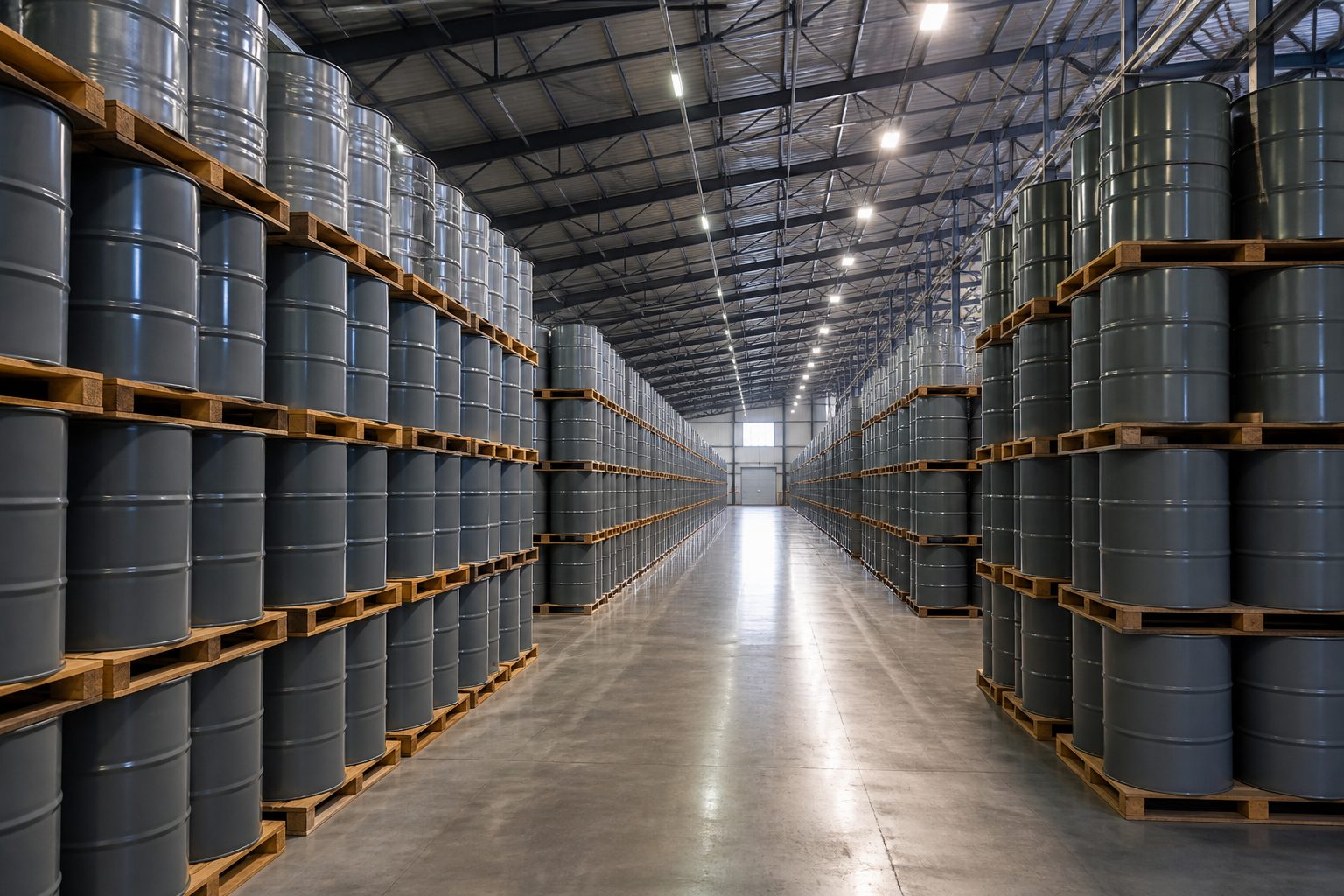
The logic is strongest where demand volumes are small and defense-critical. Gallium and germanium are byproduct metals, recovered alongside alumina and zinc refining, and antimony output comes from a small number of concentrated mining and smelting centers, so new capacity cannot simply be switched on at will; a year's worth of defense-relevant consumption, by contrast, is physically compact and financeable for sums that are rounding errors next to a single fab. The United States operates the National Defense Stockpile through the Defense Logistics Agency, though decades of post-Cold War drawdowns left it thin in precisely the materials now controlled.

For pharmaceuticals, the CFR report elevates a strategic reserve of critical medicines to a first-line recommendation for near-term acute risk, particularly for the drugs where China's grip is tightest: transplant anti-rejection medications, broad-spectrum hospital antibiotics, and heparin. Stockpile design matters at a technical level. APIs and KSMs hold longer than finished vials, so reserving upstream chemistry buys more flexibility per dollar. Finished-dose reserves expire and rotate.
The honest framing is that stockpiles convert a structural dependency into a timing problem. They bridge a months-long licensing squeeze like the 2023 gallium episode. They do not survive a multi-year embargo, they do not create a single refinery, and they signal to Beijing exactly how long the bridge is. Japan paired its reserves with a decade of industrial investment for a reason: the stockpile was the patience to negotiate from, not the substitute for capacity.
Can engineers design their way out?
Substitution and recycling attack the demand side of the chokepoint: make the controlled material less necessary.
There are working proofs. Automakers already sell electric vehicles whose motors use no rare earth permanent magnets at all, relying instead on electrically excited designs; BMW and Renault both ship such drivetrains, and magnet-free motor options are spreading through appliance and industrial segments, albeit with weight and efficiency tradeoffs. In batteries, the industry's shift toward lithium-iron-phosphate chemistry, documented in the IEA's critical minerals analysis, has already cut cobalt demand per unit substantially. Silicon-rich anodes promise to shave graphite intensity on a similar trajectory.
The limits are timing and physics. Product redesign follows model cycles, so substitution arrives over years and product generations, not quarters. Recycling is further behind: the IEA puts current recycling rates for rare earths at effectively negligible levels, on the order of 1 percent or less, far below what the EU's 25 percent recycling benchmark would require by 2030. And some chokepoints admit no substitute at all. You can build a motor without dysprosium. You cannot build amoxicillin without the starting chemistry for amoxicillin, which is why the CFR framework treats pharmaceutical KSMs as a distinct archetype requiring reserves and production economics rather than clever engineering.
End-use diversification is real, compounding, and permanently slow. As of this writing in September 2026, it is a 2030s story, not a 2027 one.
The midstream trap inside "diversified" supply chains
A pattern now recurs across every sector examined here: ostensibly diversified chains continue to funnel through Chinese-controlled midstream stages.
In pharmaceuticals, the CFR authors document transshipment and repackaging of Chinese APIs and KSMs through third countries, often via India, neutralizing origin-based sourcing rules. In critical minerals, the ADB's firm-level data show importers rerouting orders toward European suppliers after the 2023 controls, even though Europe's own upstream gallium and germanium supply still runs predominantly through China. In electronics, the U.S.-China Commission stresses that China's PCB leverage works "much more significantly" through made-in-China boards embedded in third-country devices than through direct sales, meaning a Mexican-assembled or Vietnamese-assembled product can still carry the control point inside it.
The policy consequence follows directly, and the commission names it: the United States needs supply chain risk mapping that identifies where Chinese leverage exists at the facility and process-stage level, and where it will grow. Country-of-assembly statistics, the metric most trade policy debates use, systematically understate the exposure. A de-risking program that rewards invoice geography will subsidize paperwork. A program that rewards chokepoint-stage capacity, separation plants, KSM fermentation, domestic board fabrication, will actually move the risk.
Which chokepoints should get money first?
With constrained resources, sequencing matters more than scale. A defensible ordering applies four tests: How likely is coercive cutoff? How large is the blast radius? How deep is the chokepoint? And how many years does any alternative take?
| Sector | Chokepoint depth | Cheapest effective near-term hedge | Realistic resilience timeline |
|---|---|---|---|
| Critical drug KSMs and APIs | Very deep, single-stage control | Strategic API reserve plus long-term purchase contracts | 2 to 5 years for a meaningful buffer |
| Gallium, germanium, antimony | Very deep, but small volumes | Defense stockpile plus allied byproduct recovery | 2 to 4 years with allies |
| Rare earth processing and magnets | Deep, coercion already demonstrated | Magnet and oxide stockpile while allied plants build | 3 to 7 years (Pentagon target: 2027) |
| Foundational semiconductors | Emerging flood risk, not present cutoff | Counter-overcapacity tools: procurement floors, allied coordination | 5 to 10 years |
| Printed circuit boards | Deepest embedded exposure | Defense-grade board purchasing and North American capacity add-ons | A decade or more |
Pharmaceuticals rank first because the blast radius is patients, the chokepoint is single-stage and nearly total for named drugs, and the cheapest tools, reserves and demand guarantees, work within a few years. The CFR archetype analysis and Brookings scholar Marta Wosińska's 2026 congressional testimony on smart, selective de-risking of drug supply chains converge on this prioritization logic. The urgency is not hypothetical: the American Society of Health-System Pharmacists counted 323 active U.S. drug shortages in early 2024, the worst since tracking began, concentrated in the cheap generic injectables most exposed to offshore API chains.
Defense-critical minor metals rank second because the volumes are small enough to hedge cheaply and the alternatives are structurally constrained by byproduct geology. Rare earth magnets rank third on the strength of demonstrated coercion and the Pentagon's existing mine-to-magnet buildout. Foundational chips rank fourth not because they matter less but because the threat is overcapacity five years out, and the defense is market-structure policy rather than emergency construction. PCBs rank last for scale spending and first for targeted defense procurement, since full diversification of embedded board supply is the longest project on the list.
What the 2025 truce changes, and what it leaves in place
After the October 2025 Xi-Trump meeting produced a trade truce, the Swedish institute's analysts projected that a sustained rapprochement would ease restrictions, while a breakdown would bring tighter controls, wider mineral coverage, and stricter enforcement against transshipment. As of mid-2026, both the Brookings Institution and the Council on Foreign Relations continued to treat Chinese pharmaceutical and supply chain leverage as intact and operational, which tracks the evidence in this article: temporary licensing suspensions are not dismantled refineries.

The licensing regime itself is durable infrastructure. As the Peterson Institute analysis observed, Beijing's compliance process maps foreign end users and end uses of strategic materials in granular detail, intelligence with standing value regardless of whether any given license is approved. The truce is a negotiating temperature, not a structural change. The policy window it opens, in which Western countermeasures can be financed and built without the pressure of an active cutoff, is the asset worth seizing, because the Swedish report's warning about long lead times applies to every remedy on the table.
What a realistic de-risking bill looks like
A credible program is layered, because each tool fails differently. Stockpiles handle months. Allied midstream capacity handles the three-to-seven-year band. Domestic production handles strategic last-mile depth. Substitution compounds quietly in the background across product cycles. Priced honestly, the full package runs to several CHIPS Acts spread across a decade, plus the demand-side tools, long-term contracts, price floors, and procurement commitments, without which subsidized capacity gets drowned by the next orchestrated price collapse.
The counter-argument worth taking seriously is the Peterson Institute's: China's first controls did not actually starve U.S. supply chains, and outright strangulation would cost Beijing revenue and accelerate the diversification it fears. Correct, and beside the point. The 2025 price data show the coercion already costs real money during peacetime friction, and the lesson of escalation ladders is that rungs get steeper. Resilience is also not autarky. Some dependence will persist, and the commission's own framing argues for de-risking with allies rather than a fantasy of self-sufficiency.
The chokepoints were built over two decades of deliberate Chinese state investment, a point the CFR report stresses and the 2010-to-2025 escalation record confirms. They will unwind on the same clock, and only on that clock. The gallium price spike of 2025 was a tariff paid by firms that assumed export licensing was paperwork. Whether the mid-2030s look different depends on something much less dramatic than any export ban: separation plants, fermentation capacity, and board fabs, financed and defended through the boring years, in time to matter in the dangerous ones.
Sources
- U.S.-China Economic and Security Review Commission, "Chapter 9: Chained to China: Beijing's Weaponization of Supply Chains," 2025 Annual Report, November 2025. https://www.uscc.gov/sites/default/files/2025-11/Chapter_9--Chained_to_China_Beijings_Weaponization_of_Supply_Chains.pdf
- Bollyky, Thomas J., Rush Doshi, Olivia Kosloff, Prashant Yadav, and Elena Every, "The Pharma Choke Point: How to Reduce U.S. Dependence on Chinese Pharmaceutical and Biotechnology Supply Chains," Council on Foreign Relations, June 2026. https://assets.cfr.org/images/BOLLYKYpharmaJul6/BOLLYKYpharmaJul6.pdf
- Wosińska, Marta E., "When medicine supply chains become weapons: China's leverage and how the U.S. should respond," Brookings Institution testimony, March 19, 2026. https://www.brookings.edu/articles/when-medicine-supply-chains-become-weapons-chinas-leverage-and-how-the-u-s-should-respond/
- Hendrix, Cullen S., "China's export controls on critical minerals aren't starving the United States, at least so far," Peterson Institute for International Economics, October 31, 2024. https://www.piie.com/blogs/realtime-economics/2024/chinas-export-controls-critical-minerals-arent-starving-united-states
- Erbahar, Aksel, and Neil Foster-McGregor, "Impact of the People's Republic of China's Export Licensing Requirements on United States Importers," Asian Development Bank, Asian Development Policy Report background paper, November 2025. https://www.adb.org/sites/default/files/institutional-document/1156756/adpr2026bp-7-impact-prc-export-licensing.pdf
- Wachtmeister, Henrik, "China's mineral export restrictions: Market impacts and implications," Report No. 4, Swedish Institute of International Affairs (UI), 2025. https://www.ui.se/globalassets/ui.se-eng/publications/other-publications/chinas-mineral-export-restrictions_market-impacts-and-implications_nkk_2025.pdf
- U.S. Geological Survey, Mineral Commodity Summaries 2025. https://pubs.usgs.gov/periodicals/mcs2025/mcs2025.pdf
- International Energy Agency, "The Role of Critical Minerals in Clean Energy Transitions," 2021. https://www.iea.org/reports/the-role-of-critical-minerals-in-clean-energy-transitions
- International Energy Agency, "Global Critical Minerals Outlook 2024," April 2024. https://www.iea.org/reports/global-critical-minerals-outlook-2024
- European Union, Regulation (EU) 2024/1252 (Critical Raw Materials Act), Official Journal of the European Union, 2024. https://eur-lex.europa.eu/eli/reg/2024/1252/oj
- CHIPS and Science Act of 2022, Pub. L. 117-167. https://www.govinfo.gov/content/pkg/PLAW-117publ167/html/PLAW-117publ167.htm
- U.S. Department of Commerce, NIST, CHIPS for America program. https://www.nist.gov/chips
- Inflation Reduction Act of 2022, Pub. L. 117-169. https://www.govinfo.gov/content/pkg/PLAW-117publ169/html/PLAW-117publ169.htm
- "One Big Beautiful Bill Act," Pub. L. 119-21, 2025. https://www.govinfo.gov/content/pkg/PLAW-119publ21/html/PLAW-119publ21.htm
- SEMI, World Semiconductor Equipment Market Statistics (WWSEMS), 2025. https://www.semi.org
- U.S. Department of Defense, Defense Production Act Title III industrial base investments. https://www.defense.gov
- American Society of Health-System Pharmacists, Drug Shortages Resource Center. https://www.ashp.org/drug-shortages
Comments (3)
Continue exploring

The Foreign Dependencies Inside China’s State AI Clouds
China can build domestic AI switches, but advanced silicon, optical components, and software integration still create a narrow…
U.S.-China AI talks could make autonomous cyberattacks a matter of strategic stability
Reuters reports the U.S. and China are preparing a mid-September AI safety dialogue. What it can realistically deliver: an…
What breaks if China stops exporting rare-earth magnets tomorrow
One component, sintered NdFeB magnets, sits inside missiles, fighter jets, EVs, and surgical robots, and China makes over 90% of…
The pharmaceuticals section was the most useful because the KSM-versus-API distinction makes the 'illusory diversification' argument concrete, whereas the minerals discussion leaves refining concentration as an abstraction the reader has to fill in.
You cite a second wave of 2025 controls that reached rare earths, but the price and export figures you quote are all from the 2023-2024 wave; could a follow-up piece break down what actually moved in the rare earth market across 2025?
On the 94 percent amoxicillin KSM figure from the CFR report, has anyone published an estimate of how long a non-Chinese KSM facility would need to clear FDA qualification at production-relevant volumes?