Nvidia CEO Jensen Huang has acknowledged an intimate relationship with Alice Huang, a Singapore-based technology executive whom U.S. intelligence reportedly suspected of working for China’s Ministry of State Security. Nvidia has opened an independent investigation. House lawmakers have requested a closed-door briefing. China has rejected the allegations as slander.
That sequence has created a powerful theory: Chinese intelligence may have used a personal relationship to gain access to the executive leading America’s most important artificial-intelligence chip company, influence Nvidia’s position on exports to China, or obtain sensitive information about U.S. technology policy.
The public evidence does not yet establish that theory.
What it does show is a convergence of three serious concerns: a reported personal relationship, U.S. scrutiny of Megaspeed’s large Nvidia-chip purchases, and Huang’s public campaign against some restrictions on selling advanced processors to China. Those facts justify investigation. They do not, by themselves, prove a deliberate seduction operation, a transfer of secrets, or knowing involvement by Huang.
The central question is therefore narrower and more consequential: did anyone obtain information, influence, or leverage through the relationship, and what did U.S. officials and Nvidia know about the risk?
What is known about Alice Huang?
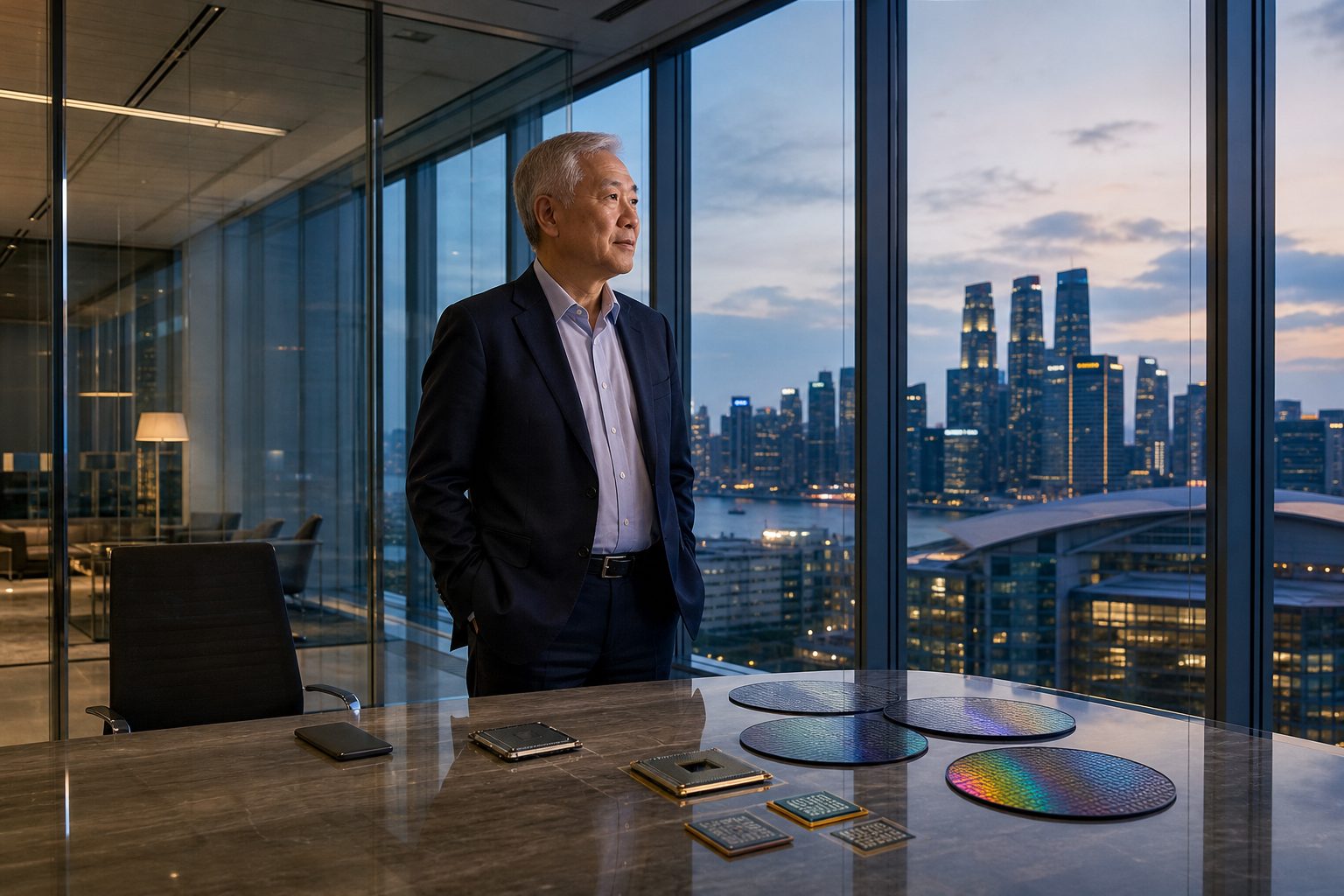
Public reporting identifies Alice Huang as an executive associated with Megaspeed, a Singapore-based data-center company that became a major Nvidia customer. Megaspeed reportedly purchased more than $4.8 billion in Nvidia chips over a two-year period, placing the company close to an important commercial channel for advanced computing hardware. The figure comes from reporting cited by The Associated Press, not from a public Nvidia filing or disclosed government enforcement record. (AP)
The strongest public allegation about Alice Huang’s intelligence ties comes from reporting attributed to U.S. intelligence officials. The Business Times reported that U.S. intelligence assessed she had been recruited by China’s Ministry of State Security and monitored her electronically for at least a year. The underlying intelligence has not been released publicly. (The Business Times)
That distinction matters. A reported intelligence assessment is evidence that investigators considered the allegation credible enough to examine. It is not the same as a public indictment, court finding, sworn testimony, or disclosed intelligence document.
Singapore’s Ministry of Home Affairs has also disputed an important part of the reporting. In a clarification concerning a Wall Street Journal account, the ministry said neither the Singapore government nor its officials had expressed the alleged concerns or conducted an investigation into Alice Huang’s ties to Nvidia or Chinese intelligence. (Singapore Ministry of Home Affairs)
The public record therefore supports a limited conclusion: Alice Huang was reportedly the subject of U.S. intelligence scrutiny, but the evidence establishing her recruitment, operational role, or activities has not been made public.
Did the relationship amount to a deliberate recruitment operation?
Jensen Huang has acknowledged an affair and apologized to his family, Nvidia employees, shareholders, and customers, according to a staff letter reported by Axios. (Axios)

That acknowledgment confirms the personal relationship. It does not establish when the relationship began, how it developed, whether Alice Huang initiated it at the direction of an intelligence service, or whether the relationship was used to obtain information.
Those are separate questions, and the public reporting currently leaves them unanswered.
A deliberate “honey trap” or relationship-based recruitment operation would normally require evidence of planning, tasking, communications, payments, instructions, or a transfer of information. None of those elements has been publicly demonstrated in the material currently available. Reporting has described surveillance and intelligence assessments, but it has not produced a public intelligence memo, court filing, named source document, or specific account of information passed to Beijing. (TechSignal)
That does not disprove the allegation. Intelligence operations often remain classified, and an investigation can uncover evidence later. It does mean that the most dramatic version of the story remains an allegation rather than an established fact.
The available evidence also does not show that Huang knew of any alleged intelligence role. Nvidia has said that meetings between Huang and customers were ordinary business interactions and that the company does not share classified information with customers. ABC News reported that Nvidia had denied wrongdoing while China’s Foreign Ministry rejected the claims. (ABC News)
What might China have wanted?

The alleged intelligence objective appears to have involved two possible targets.
The first was information. Jensen Huang sits at the center of Nvidia’s decisions about products, customers, supply chains, and government policy. Advanced Nvidia processors are subject to U.S. export controls because they can support military, intelligence, and artificial-intelligence development. The Congressional Research Service describes those controls as part of a broader effort to limit China’s technological gains and the growth of its domestic semiconductor capacity. (Congressional Research Service)
The second was influence. Huang has publicly argued that overly broad restrictions could damage Nvidia’s commercial position without stopping China’s technological progress. The Los Angeles Times reported that he pressed for a policy allowing Nvidia to continue competing in China rather than surrendering the market to Chinese firms. (Los Angeles Times)
That overlap is politically significant, but it is not proof of espionage. A corporate executive can oppose export restrictions for commercial and strategic reasons without acting on behalf of a foreign government. The existence of a relationship with someone under intelligence suspicion does not convert Huang’s public policy views into evidence that they were directed by China.
The relevant investigative question is whether the relationship produced influence that was hidden, improper, or connected to intelligence tasking. The public record has not answered it.
Where this story sits
5 related pieces
Read it →
Hover a story · click to read
 No. 65 · Oct 11, 2026Wagner's Sahel Drone War: What Three Years of Evidence Actually Show
 No. 107 · Nov 16, 2026What November's Bank Outages Reveal About America's Digital Financial Plumbing
 No. 67 · Oct 13, 2026Your Policy, Their Price: How Ransomware Gangs Weaponize Cyber Insurance
 No. 92 · Nov 5, 2026When Protest Footage Is Blocked, What Evidence Survives?
 No. 16 · Aug 27, 2026Lake America: The Hidden Technology Problems Behind Trump’s Lake Ontario Order
Why Megaspeed became part of the story
Megaspeed matters because the personal allegations appeared alongside separate concerns about Nvidia-chip sales.

Reporting has described Megaspeed as a Singapore data-center company spun out of the Chinese gaming and cloud-computing group 7Road in 2023. It became one of Nvidia’s largest Southeast Asian customers soon after its creation, according to the Indian Express. (The Indian Express)
U.S. lawmakers have questioned whether hardware sold to companies outside China could be accessed remotely by Chinese customers or redirected into China. Senator Tom Cotton asked the Commerce Department to investigate Megaspeed, citing its corporate origins, purchase timing, and the involvement of an executive who had previously worked in Chinese state media. (Senator Tom Cotton)
Reuters reporting, republished by StreetInsider, described trade records involving Nvidia-related shipments moving through Malaysia and Indonesia. The concern was that the hardware might support Chinese customers remotely or be re-exported into China. (Reuters via StreetInsider)
Other reporting has identified Aivres Systems, the California arm of Chinese technology company Inspur, as a supply-chain link that attracted scrutiny. (Tom’s Hardware)
But the chip-diversion allegations remain distinct from the espionage allegations. Suspicious purchasing patterns, unusual corporate structures, or possible export-control violations do not prove that Alice Huang was recruited to target Jensen Huang. Nor do they prove that Jensen Huang knowingly helped divert chips.
One trade-publication report said Nvidia’s own review found no evidence that Megaspeed diverted chips and concluded that the company was owned and operated outside China. That account is not the same as a publicly released primary Nvidia report, and it has not resolved the wider questions raised by lawmakers and journalists. It does, however, illustrate why investigators must separate three issues: ownership, diversion, and personal intelligence activity. (Communications Today)
Did Huang’s China advocacy overlap with the alleged operation?

The overlap is real in chronology and subject matter. Huang advocated a less restrictive approach to China while Megaspeed was becoming a major Nvidia customer and while U.S. officials were reportedly examining Alice Huang.
That overlap is enough to create a counterintelligence concern. It is not enough to establish causation.
A responsible investigation would need to compare the timing of Huang’s public and private policy activity with:
- when the relationship began;
- when U.S. agencies first examined Alice Huang;
- whether officials warned Huang or Nvidia;
- what information Huang received from government briefings;
- whether his policy positions changed after private contacts;
- and whether any Nvidia decision departed from ordinary commercial or regulatory practice.
The public material does not provide that complete timeline.
One unresolved question is whether Huang received a standard defensive briefing warning him that he could be targeted by foreign intelligence. Tom’s Hardware, citing New York Times reporting, said surveillance had documented a close relationship and that Huang apparently did not receive such a warning. (Tom’s Hardware)
If accurate, that would raise questions about the communication between U.S. agencies and a company whose products are central to national security. It would still not prove that a warning would have prevented misconduct or that any classified information had been exposed.
What Nvidia has established so far
On November 8, Nvidia’s board announced an independent investigation led by independent directors and outside counsel. The board said it currently had no reason to believe that national security or Nvidia secrets had been compromised. (Nvidia Board of Directors)

That statement is carefully limited. It does not say the allegations are false. It says the board had not identified a reason, at that stage, to believe that secrets or national security had been compromised.
The investigation will need to examine more than whether classified documents were handed over. Sensitive influence can operate through access, timing, introductions, policy information, customer intelligence, or private knowledge about a company’s negotiating position. It must also determine whether any Nvidia information was shared, whether any government warning was missed, and whether company controls were followed.
Congress has begun asking similar questions. House leaders requested a closed-door briefing for November 18, 2026, focused on Nvidia’s safeguards and Huang’s interactions with Alice Huang. (House Select Committee on China)
The congressional interest also reflects Huang’s policy influence. Axios reported that lawmakers called him in over his ties to the alleged spy and his advocacy for easing restrictions on Nvidia chip sales to China. (Axios)
The key test for Congress will be whether it seeks evidence rather than simply repeating the allegation. That means examining travel and meeting records, security briefings, company compliance files, communications, export-license decisions, and the evidence behind the intelligence assessment.
What safeguards should protect companies like Nvidia?

The allegations expose a weakness that technical security controls cannot solve by themselves. A company can protect networks and still remain vulnerable through people with access to senior executives.
The safeguards should operate at several levels.
First, companies handling strategically important technology need a formal counterintelligence program. That should include clear reporting channels for suspicious approaches, unexplained access requests, unusual customer pressure, and relationships that create conflicts of interest. The program should protect employees who report concerns rather than treating the issue as a private scandal.
Second, sensitive policy and product information should be compartmentalized. A customer meeting should not provide access to internal export strategy, government communications, product road maps, or decisions that could help a foreign service map a company’s vulnerabilities.
Third, senior executives need regular defensive briefings tailored to their actual exposure. Those briefings should cover relationship-based recruitment, social engineering, coercion, blackmail, and the use of legitimate business contacts as intelligence access points. Such training is not an accusation. It is a normal protection for people who meet foreign customers, officials, and intermediaries.
Fourth, export compliance must be separated from commercial pressure. Customer ownership, end use, shipping routes, remote access, and beneficial control require independent review. A company should not rely only on a customer’s stated location when advanced processors can be accessed across borders through data centers and cloud services.
Finally, government agencies and companies need a reliable warning system. If officials possess credible information that a senior executive may be targeted, they need a lawful process for delivering that warning quickly and documenting whether it was received. The Nvidia case, if the reporting is accurate, will test whether that process worked.
The evidence does not yet show a spy trap
The public record supports concern, not a completed verdict.
Confirmed or acknowledged facts include Huang’s admission of an intimate relationship, Nvidia’s independent investigation, congressional scrutiny, and the existence of export-control concerns involving Megaspeed. Public reporting also attributes to U.S. intelligence an assessment that Alice Huang was recruited by China’s Ministry of State Security. That assessment remains unsubstantiated in publicly released evidence.

Still unproven are the claims that the relationship was deliberately engineered, that Alice Huang transferred information to Beijing, that Huang knowingly assisted Chinese intelligence, that Nvidia secrets were compromised, or that the relationship changed U.S. policy.
The distinction is more than legal caution. It determines what investigators should look for next. If the affair was unrelated to intelligence activity, the case may reveal failures in executive security and government warning procedures. If it was an operation, investigators must establish the operational evidence: tasking, communications, intelligence collection, influence attempts, information transfer, or documented changes in behavior.
For now, the most defensible conclusion is also the least sensational one. Jensen Huang may have been exposed to a foreign-intelligence risk through a personal relationship, but the available evidence does not demonstrate that China successfully used the relationship to obtain secrets or control Nvidia’s policy.
The question remains open. Nvidia’s investigation and the congressional briefing may clarify whether the story ends as an unsubstantiated intelligence allegation, an executive-security failure, an export-control case, or evidence of a deliberate operation aimed at the company at the center of the AI race.
Sources / References
- Nvidia Board of Directors. “Statement from NVIDIA Board of Directors.” November 8, 2026. https://nvidianews.nvidia.com/news/statement-from-nvidia-board-of-directors
- The Associated Press. “Nvidia investigates reports CEO Jensen Huang was targeted by Chinese spy.” https://apnews.com/article/nvidia-jensen-huang-investigation-chinese-spy-68839e7ca6ba2b121529f7e475e501d6
- The Business Times. “China recruited exec at Singapore data centre firm to spy on Nvidia CEO Jensen Huang: US intelligence.” https://www.businesstimes.com.sg/international/china-recruited-exec-singapore-data-centre-firm-spy-nvidia-ceo-jensen-huang
- Axios. “Read: Nvidia CEO Jensen Huang’s letter to staff about affair.” November 8, 2026. https://www.axios.com/2026/11/08/nvidia-ceo-jensen-huang-affair-email-to-company
- ABC News. “Nvidia responds to report that its CEO was allegedly targeted in Chinese spy plot.” https://abcnews.com/US/nvidia-denies-report-ceo-allegedly-targeted-chinese-spy/story?id=137704250&trk=article-ssr-frontend-pulse_little-text-block
- Singapore Ministry of Home Affairs. “Clarification Statement on Wall Street Journal’s Article.” https://www.mha.gov.sg/media-room/newsroom/clarification-statement-on-wall-street-journals-article/
- U.S. House Select Committee on the Chinese Communist Party. “Letter requesting briefing on Nvidia.” November 2026. https://chinaselectcommittee.house.gov/sites/evo-subsites/selectcommitteeontheccp.house.gov/files/evo-media-document/nvidia-letter-pdf.pdf
- U.S. Senator Tom Cotton. “Cotton to Lutnick: Investigate Chinese Government Spin-off Megaspeed for Skirting U.S. Export Laws.” https://www.cotton.senate.gov/news/press-releases/cotton-to-lutnick-investigate-chinese-government-spin-off-megaspeed-for-skirting-us-export-laws/
- Congressional Research Service. “U.S. Export Controls and China.” https://www.congress.gov/crs_external_products/R/PDF/R48642/R48642.6.pdf
- Los Angeles Times. “Why is Nvidia’s CEO lobbying Republicans on AI chip sales to China?” December 4, 2025. https://www.latimes.com/business/story/2025-12-04/why-is-nvidias-ceo-lobbying-republicans-on-ai-chip-sales-to-china
- Axios. “Nvidia CEO called in by lawmakers over ties to alleged Chinese spy.” November 5, 2026. https://www.axios.com/2026/11/05/jensen-huang-nvidia-congress-china
- The Indian Express. “A mystery CEO and billions in sales: Is China buying banned Nvidia chips?” https://indianexpress.com/article/technology/tech-news-technology/a-mystery-ceo-and-billions-in-sales-is-china-buying-banned-nvidia-chips-10302088/lite/
- Reuters, republished by StreetInsider. “US senator seeks Commerce Department investigation into Singapore-based Megaspeed.” https://www.streetinsider.com/Reuters/US%2Bsenator%2Bseeks%2BCommerce%2BDepartment%2Binvestigation%2Binto%2BSingapore-based%2BMegaspeed/25449176.html
- Tom’s Hardware. “Singapore company allegedly helped China smuggle $2 billion worth of Nvidia AI processors, report claims.” https://www.tomshardware.com/tech-industry/artificial-intelligence/singapore-company-alleged-to-have-helped-china-get-usd2-billion-worth-of-nvidia-ai-processors-report-claims-nvidia-denies-that-the-accused-has-any-china-ties-but-a-u-s-investigation-is-underway
- Tom’s Hardware. “Nvidia’s Jensen Huang officially called to Congress due to reports of a Chinese spy plot.” https://www.tomshardware.com/tech-industry/big-tech/nvidias-jensen-huang-officially-called-to-congress-due-to-reports-of-a-chinese-spy-plot-officials-mention-growing-concerns-over-national-security
- TechSignal. “Nvidia CEO Spy Allegations: What Is Verified and What Remains Unproven.” https://techsignalbrief.com/nvidia-ceo-spy-allegations-fact-check/
- Communications Today. “Megaspeed emerges as Southeast Asia’s largest buyer of Nvidia AI chips.” https://www.communicationstoday.co.in/megaspeed-emerges-as-southeast-asias-largest-buyer-of-nvidia-ai-chips/
The reading behind this research
What the desk leaned on for this piece. Each link goes to the retailer, where the price is shown.
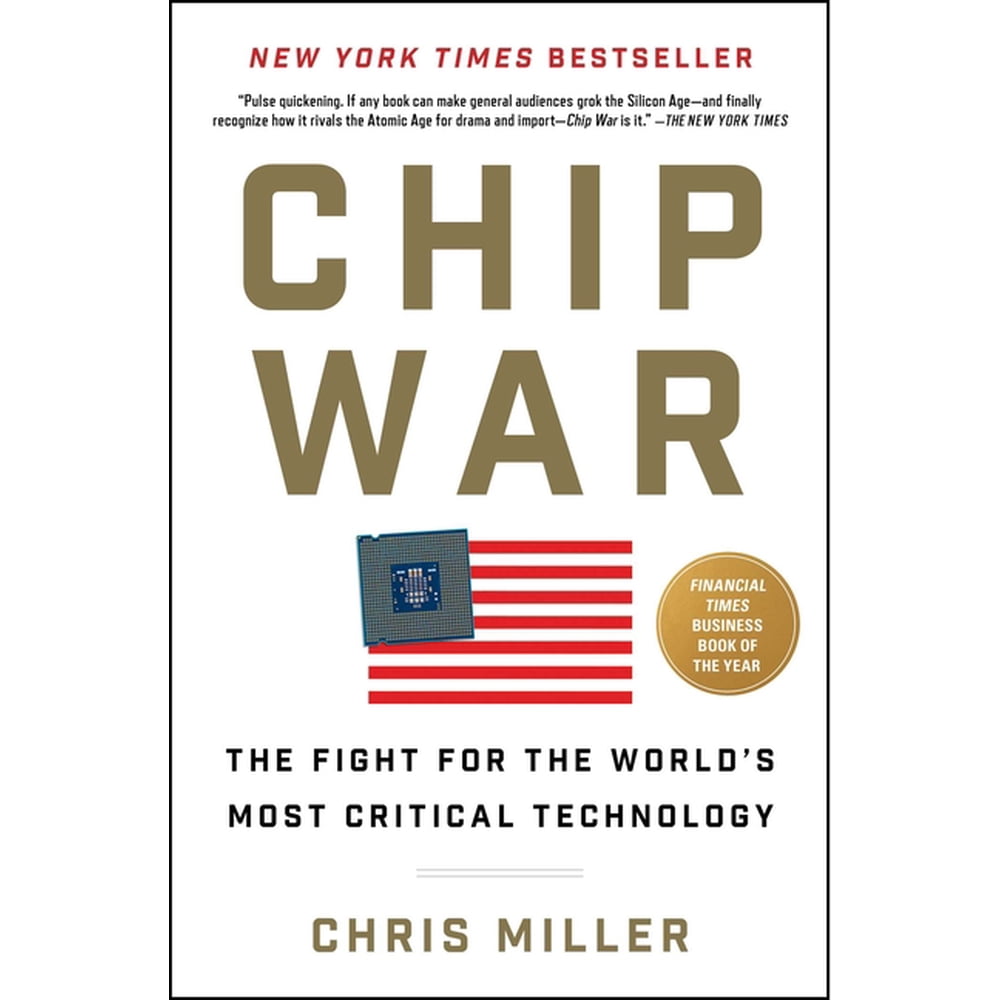
Chip War: The Fight for the World's Most Critical Technology by Chris Miller
The article hinges on Nvidia chips reaching China via buyers like Megaspeed; this book explains why those chips are worth fighting over.
View on Walmart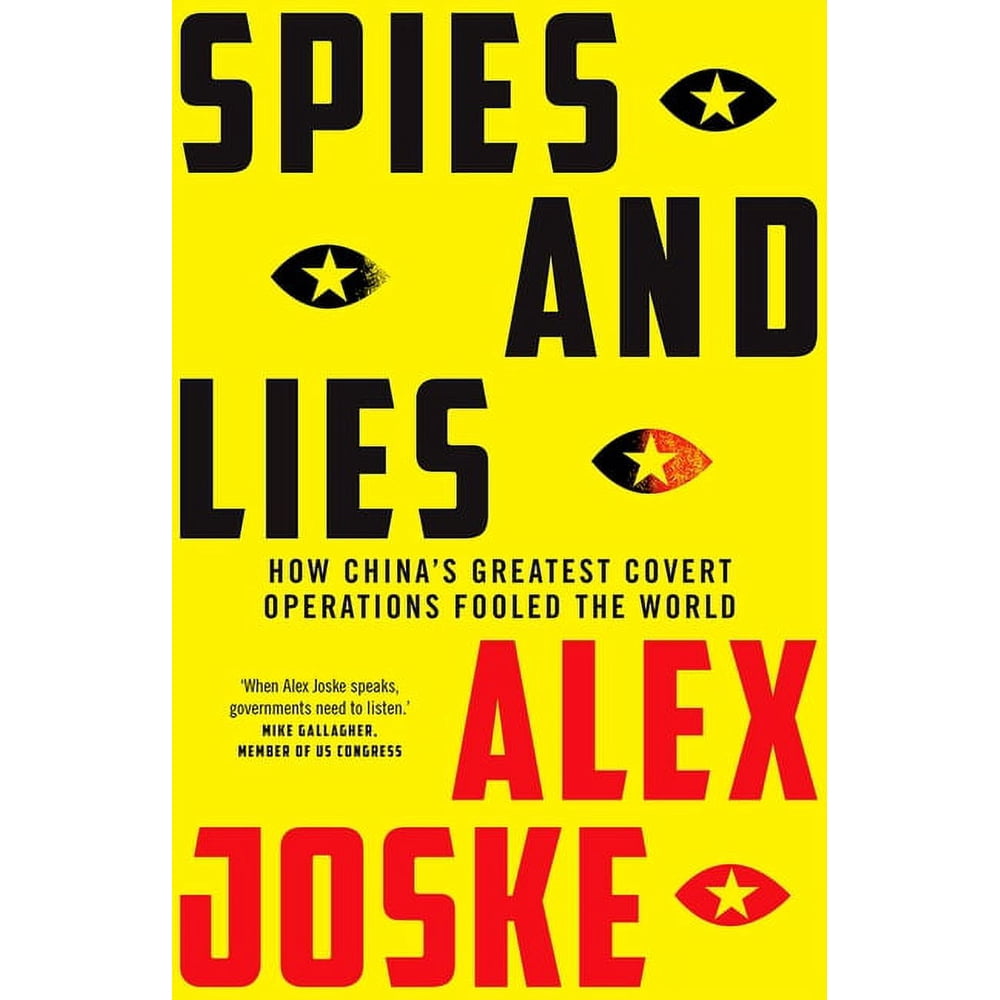
Spies and Lies: How China's Greatest Covert Operations Fooled the World
The article notes a real honey-trap case would need proof of planning, tasking, and payments; this book details how such Chinese operations have actually worked.
View on Walmart
Honey Trapped: Sex, Betrayal, and Weaponized Love by Henry Schlesinger
The article notes a real honey trap needs proof of planning, tasking, or passed information; this book explains how such operations actually work.
View on Walmart
Chinese Spies: From Chairman Mao to Xi Jinping by Roger Faligot
Gives the long history of Ministry of State Security recruitment tactics, useful context for the article's point that a honey trap is alleged but not yet proven.
View on WalmartPaid links. Calibre Code USA may earn a commission from purchases made through these links. This does not affect what we write or what we recommend.
Comments (4)
Continue exploring
Your Policy, Their Price: How Ransomware Gangs Weaponize Cyber Insurance
Ransomware crews search for victims' cyber-insurance policies before naming a price. The evidence shows how far the tactic goes…
When Protest Footage Is Blocked, What Evidence Survives?
Protest footage can disappear during a crisis. Here is how investigators authenticate surviving copies, reconstruct events and…
Lake America: The Hidden Technology Problems Behind Trump’s Lake Ontario Order
Renaming Lake Ontario “Lake America” changes more than a map label. It creates challenges for geographic databases, search…
The section distinguishing a reported intelligence assessment from a public indictment was the most useful. It correctly separates the $4.8 billion Megaspeed purchase figure and the un released intelligence claims from evidence that has actually been tested in court.
The export-control angle fits the Commerce Department’s broader tightening of rules on advanced chips to China, which I have followed closely. Huang’s public campaign against some restrictions is therefore more relevant than the affair by itself. But the article is right that policy disagreement is not evidence of intelligence recruitment.
I worked in enterprise chip procurement, and customer meetings were not merely ordinary business interactions. Executives routinely discussed product road maps, allocation priorities, delivery constraints, and policy concerns, even when no classified material was involved. That experience cuts against treating Nvidia’s description of these meetings as reassuring on its own.
A follow-up should examine the timeline in more detail. When did the relationship begin relative to Megaspeed’s reported $4.8 billion in Nvidia purchases and Huang’s public opposition to some China export restrictions? It would also be useful to know whether Nvidia or U.S. officials imposed any access limits after the alleged surveillance began. Without that chronology, the possible connection between the personal relationship and the commercial or policy issues remains difficult to assess.